

Hacienda Bambusa's Olivier Dufeu & Diego Ruiz - The People Behind the Experience
Hacienda Bambusa is a hidden gem in Colombia. It's remote, tucked away at the foothills of the Andes in the lush central coffee region, a position that is equal parts magically charming and logistically challenging. Colombian Contemporary artist Santiago Montoya owns the property; here we find out more about the magic of Bambusa.
Hacienda Bambusa's Olivier Dufeu & Diego Ruiz - The People Behind the Experience
Hacienda Bambusa is a hidden gem in Colombia. It's remote, tucked away at the foothills of the Andes in the lush central coffee region, a position that is equal parts magically charming and logistically challenging. Colombian Contemporary artist Santiago Montoya owns the property; he and his family still keep a house nearby and used to oversee the management of the Hacienda personally. But balancing a hospitality role with the demands of an escalating international art career proved impossible and four years ago, the Montoya family decided to suspend operations at Hacienda Bambusa, closing it to the public.
Enter Olivier Dufeu, a Frenchman who worked in Chile & Argentina and Diego Ruiz, a Cali native who became a Buenos Aires restauranteur. Partners in business and in life, they were traveling through Colombia three years ago while in search of potential business opportunities and fell in love with the Coffee Triangle Region. With backgrounds in hospitality, tourism and restaurant management, their skill set and passion were exactly the magic that Hacienda Bambusa needed to reopen her doors. Through Clark Kotula, Olivier & Diego connected with the Montoya Family and Hacienda Bambusa reopened under their creative vision and detailed management.
Olivier and Diego have a compelling story and were kind enough to answer a few questions for us. We hope you enjoy this interview with the People Behind the Experience at Hacienda Bambusa!

First, the most important question. How did you two meet each other?
We met five years ago in Buenos Aires and while we tell people that we had an initial great connection, in truth is was love at first sight! I (Olivier) was working for a travel agency & tour operator in Buenos Aires after traveling around South America for several years and Diego owned a restaurant. We met at a bar in BA and bonded over our love of travel, music, excellent food and South America as a whole.
Why did you make the leap from Buenos Aires, Argentina to Armenia, Colombia?
Diego is from Cali, Colombia, and I was always interested in exploring more of that particular country beyond what I had already experienced during my backpacking days. We took a trip together three years ago and just really fell for the friendliness of the Colombia people and the beauty of the country, especially the mountains surrounding the Coffee Triangle. That's when the idea of relocating to Colombia and taking on a project in the destination really started to form. Colombia also had and has a really positive energy; tourism is increasing and with the opportunity to work together to reopen Hacienda Bambusa, all of the stars seemed to align. It was just the right time to make the move.
Today, we spend most of the year at Bambusa and live just ten minutes away from the property. We have full autonomy to manage the hotel but the Montoya Family still owns and cultivates the 500 acres surrounding the house.
What are the most challenging and most rewarding aspects of operating a high-end boutique property in a fairly remote and somewhat obscure location?
First, its the limitations of the location itself as well as clearly setting expectations for what the Hacienda Bambusa experience is. It is sometimes a struggle to convince travelers that they should stay at a property that is somewhat remote, in the middle of a farm and surrounded only by nature, though fortunately Avianca offers good flight schedules so we aren't too far out of the way. Also, Bambusa is a rustic countryside house made out of Bamboo (Bambusa actually refers to a type of clumping bamboo.) We simply don't have all of the comforts and luxuries that a 5* city hotel offers. Weather can affect the wifi, our verandas aren't screened and bugs are a fact of life when surrounded by flowering plants, and we don't have an elevator so all eight of our Jr. Suites must be accessed by stairs.
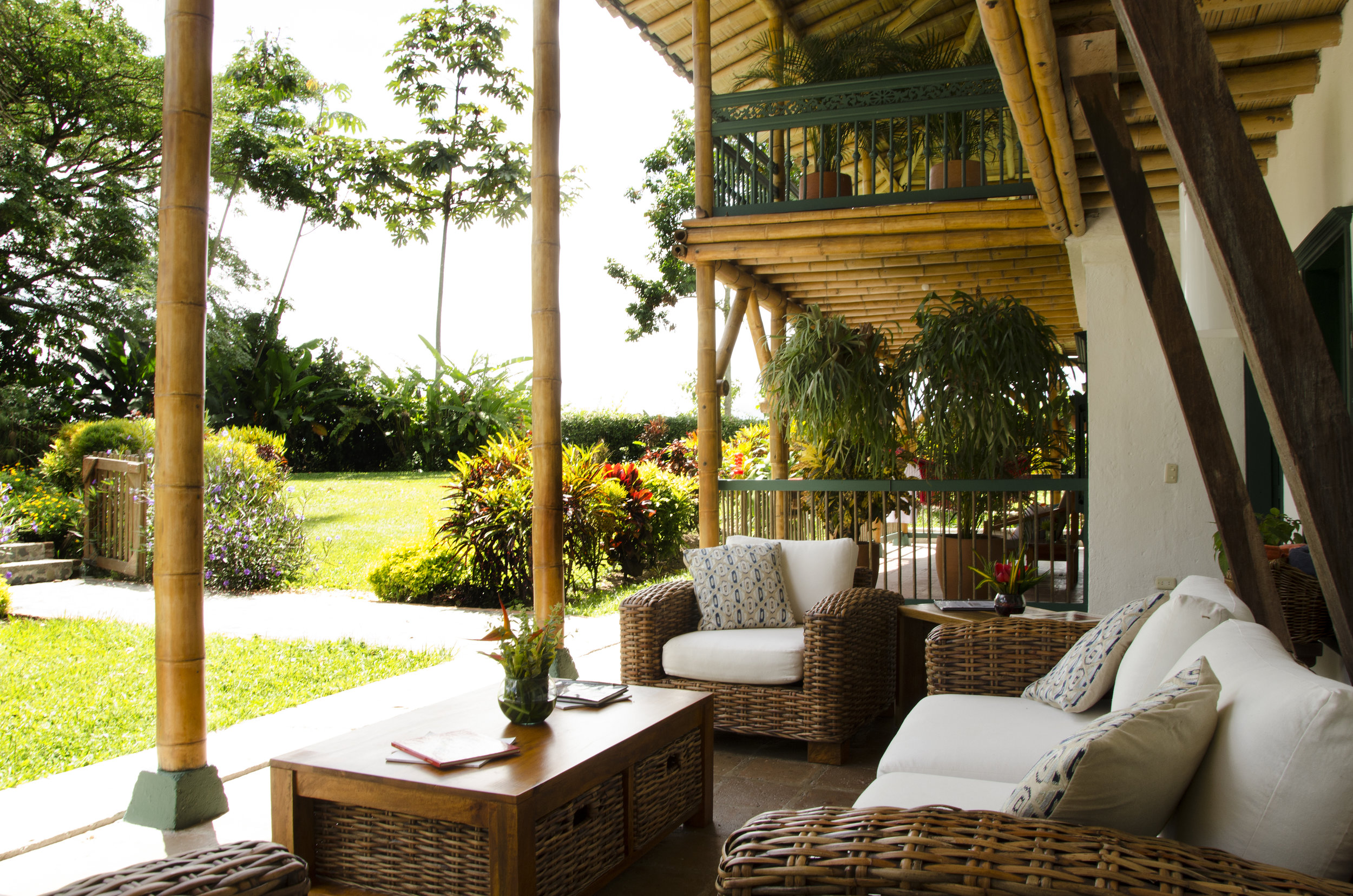
Spacious verandas & gardens surround every room at Hacienda Bambusa, which is built circling a central enclosed courtyard.
The greatest reward is when our guests leave with a huge smile in their faces, sad to leave but assuring they will not forget the days they spent staying with us. We recently hosted a lovely newlywed couple from the UK and arranged a surprised private dinner for them in the middle of the garden, surrounded by candles and flowers. They loved it!
Or, last year, we hosted a French family who adopted twin girls from Colombia thirteen years ago. This was their first trip back in Colombia since the adoption. The parents wanted to show the girls what a beautiful country Colombia is and the trip was very emotional for everybody.
What do you feel is often a surprising and unanticipated highlight of guests staying at Hacienda Bambusa?
I think our customers are surprised with our attention to detail and the balance between the relaxing countryside atmosphere and world class service. We try to get to know our clients in advance so we can surprise them with attention to personal details during their stay.
A highlight for guests is undoubtedly to walk around the property with Camilo, our naturalist guide, through the cocoa plantation and the bamboo forest. And many guests are surprised that much more than just coffee is grown here!
What are you most proud of since reopening Hacienda Bambusa?
A hot air balloon ride offers guests a unique perspective of the Hacienda & surrounding countryside
Bambusa was already known when we arrived; the hotel had developed a niche following among guests with fond memories of their time there. We started with the goal of reconnecting with those guests, recreating those memories and going beyond that. And we've added lots of details to improve the stay of our guests, from AC and WiFi in each room to expanding the types of activities and experiences that guests can have on the property. We've also managed to attract more media and industry attention so Hacienda Bambusa is more recognized than before.
We are always thinking of ways to improve our experience and stay fresh. This exercise of constant renewal goes from the smallest detail in the garden to making adjustments to our menu or training our staff.
Tell me why someone should experience the Coffee Triangle without using the word “coffee.”
As our guests discover, the region produces way more than its namesake! It actually also produces also cocoa, plantains, pineapple, avocados, etc! The area is very lush and ideal for growing a variety of fruits and vegetables.
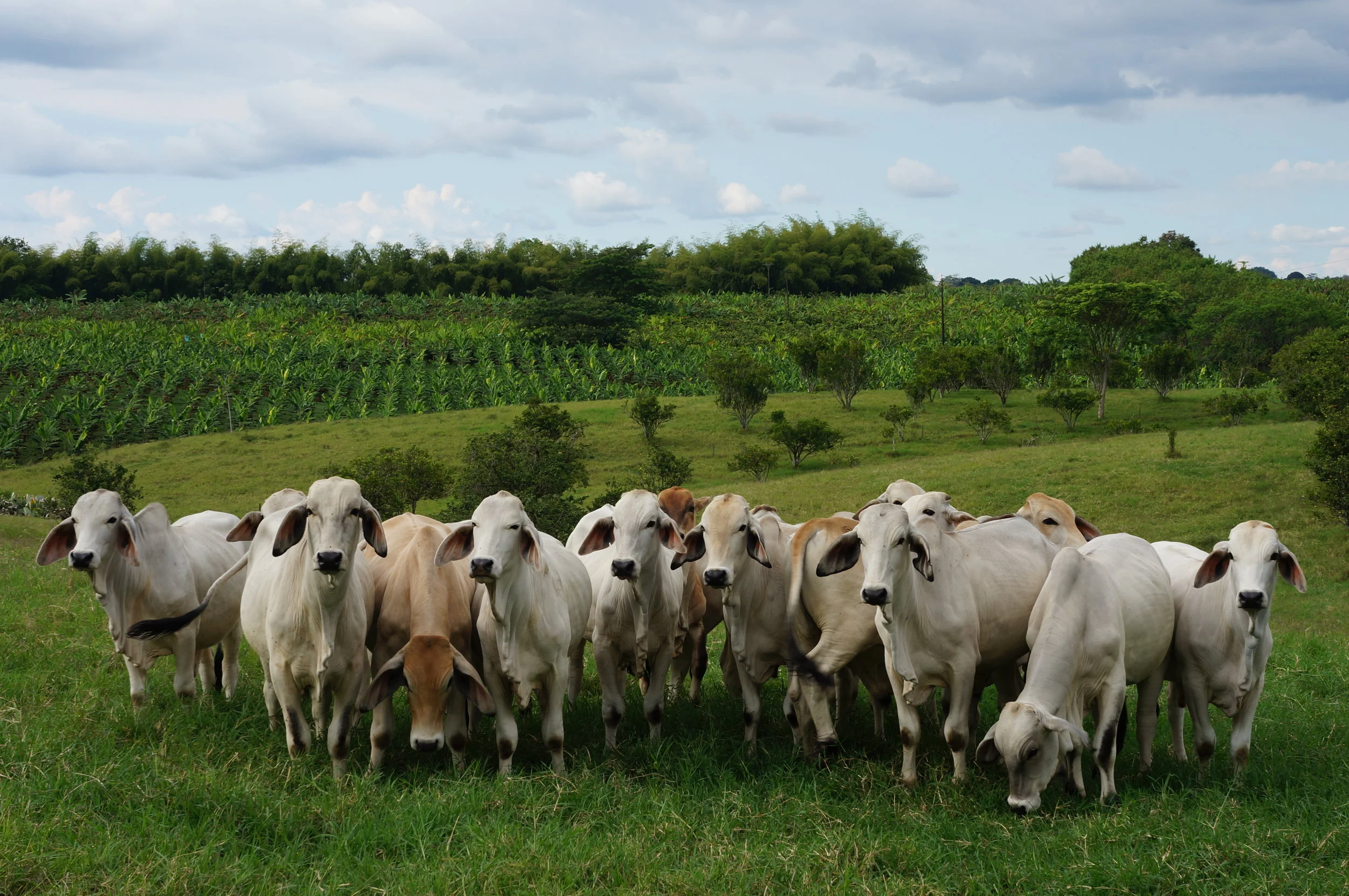
Cows far outnumber coffee trees on the plantation grounds surrounding Hacienda Bambusa.
As we are at the very foot of the Andes, the green mountains surrounding us offer amazing views and many options for activities. There is excellent hiking, birdwatching and horseback riding right beyond our doorstep.
And last but not least, the culture of the region is phenomenal. People in this part of Colombia are especially friendly and welcoming and are very candid about sharing their history. They have their own culture, food and identity which sets this area apart for the rest of Colombia, much in the same way that Salta feels very different from the rest of Argentina. When people think of Colombia, they tend to focus on the cities like Cartagena, Bogota, Medellin and Cali. These are great and should not be missed, the the countryside surrounding us offers a more complete and complementary picture of Colombia as a whole.

Typical street scene in a town near Hacienda Bambusa; WWII era Jeep Willy loaded to the brim with plantains.
Lastly, please share some of your Insider's Tips on Colombia! What are your favorite places to eat, hike, stay and experience Colombian culture (aside from Bambusa of course!)
Aside from Bambusa? This is a hard question...
When we want culture and great food we go to Bogota. The city is not one of those cities that strikes you at first glance, but as you grow to know it you appreciate it more and more. Bogota has a very vibrant and up and coming food and art scene.
I also love the region of Santander to the north of Bogota, especially Barichara village. The whole region is perfect for active adventures and we've done some amazing hikes and white water rafting there.
Olivier and Diego look forward to welcoming your guests at Hacienda Bambusa. Make sure to get in touch with personalized traveler details so that they can prepare special touches in advance!

Trains, Planes & Automobiles: How to Access Lake Titicaca
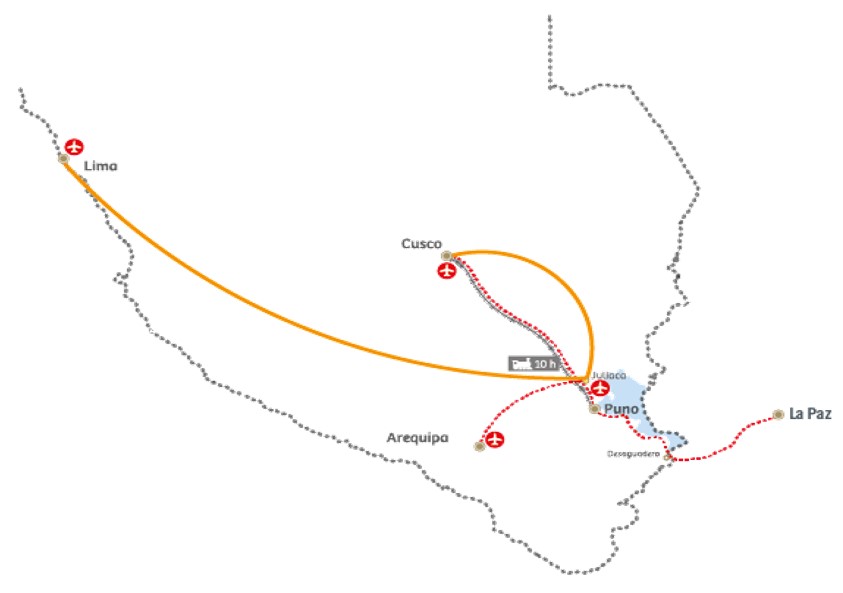
Lake Titicaca is now more accessible than ever thanks to new train routes linking Cusco, Puno and Arequipa. To help guests navigate the multitude of transportation choices, Titilaka has compiled a helpful pdf outlining all access options for travelers arriving from Bolivia or within Peru.
Lake Titicaca is now more accessible than ever thanks to new train routes linking Cusco, Puno and Arequipa. To help guests navigate the multitude of transportation choices, Titilaka has compiled a helpful pdf outlining all access options for travelers arriving from Bolivia or within Peru. The pdf, featured in their latest newsletter, is geared towards travel-industry insiders but does not mention rates and therefore can be sent directly to clients who are considering Lake Titicaca and Titilaka. Download a copy of the PDF here.
Trains:
On May 31st, 2017, PeruRail relaunched the Titicaca Train which links Puno to Cusco on a 10 hour and 33 minute luxury rail trip. Passengers travel through spectacular high altiplano scenery in Pullman-style train cars with a capacity for 132 persons. The train travels from Cusco-Puno on Wednesdays, Fridays and Sundays and from Puno to Cusco on Mondays, Thursdays and Saturdays. No stops are made, though travelers can take in the scenery from the Observatory/Bar car while enjoying traditional live music and dancing, three gourmet meals, assorted beverages and afternoon tea. This is an excellent option for train buffs looking for a more relaxing day after the excitement of already touring the Sacred Valley and Machu Picchu but due to the length of travel and lack of stops, is not recommended for children. More information on the journey and services can be found on the PeruRail website.
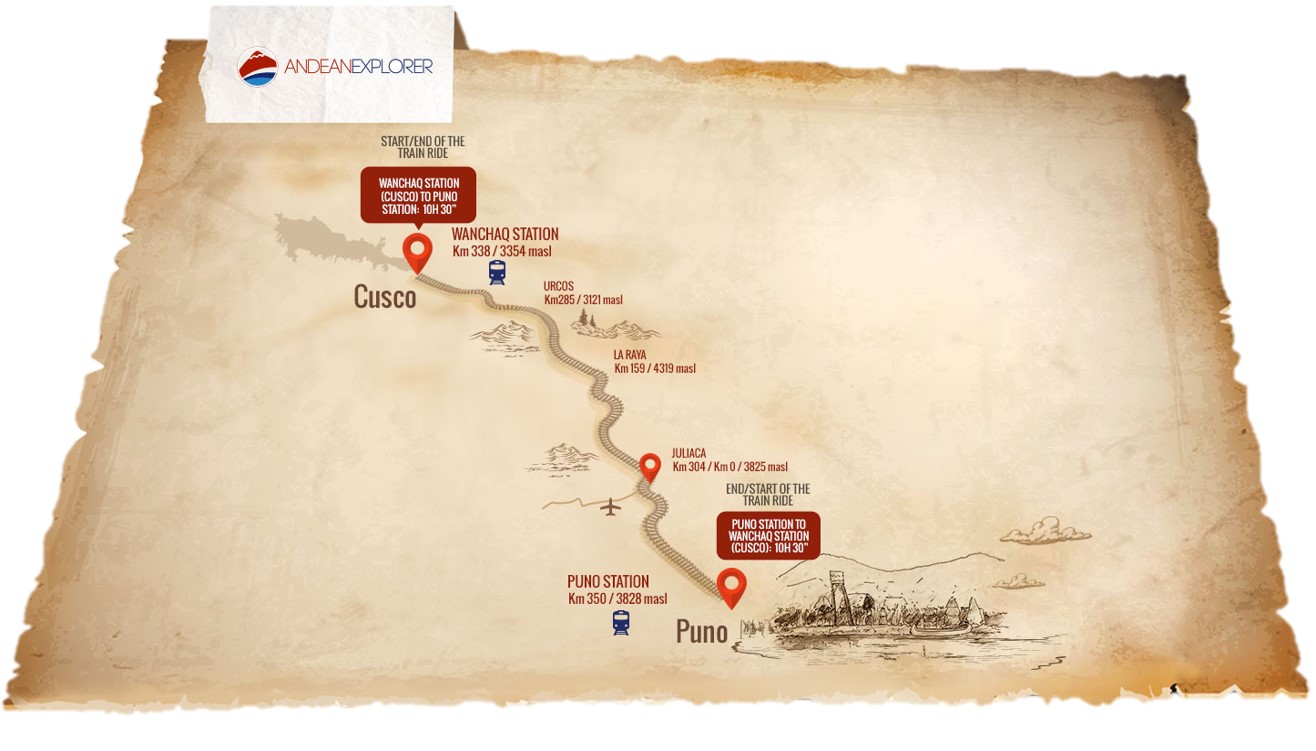
Andean Explorer Train Route in Detail
The Belmond Andean Explorer began service this year, offering the first ultra-luxury Sleeper Train experience in South America. The train runs between Cusco, Lake Titicaca (Puno) and Arequipa with regularly scheduled weekly departures for every month except February and unlike the Titicaca Train, passengers disembark on short, guided explorations along the route. Currently, travel options include either a 3-day/2-night journey connecting Cusco to Arequipa (with just a day-long stop at Lake Titicaca) or as a 1-night/2-day journey between Cusco and Puno. While PeruRail manages the bookings for the Belmond Andean Explorer, in-depth descriptions of the routes and sleeper cars can be found on the Belmond website.
Planes:
Flying continues to be the quickest and most convenient way to reach Lake Titicaca. From Lima, LATAM and Avianca offer a total of four nonstop daily flights to Juliaca, the closest airport to Puno and Lake Titicaca. Nonstop flight time is just under two hours. Many more flights connect via Cusco and the Cusco-Juliaca leg of the flight takes just 40 minutes. While codesharing makes it possible to book onward travel to Juliaca after an international arrival into Lima, this really isn't recommended due to the high altitude of the lake of 12,508' asl. Better to first acclimate in Cusco, the Sacred Valley and Machu Picchu and then proceed up to Lake Titicaca.
Titilaka offers complimentary pick-up for all guests arriving at the Juliaca Airport. The cultural experience begins right away as a brief stop is often made at Sillustani, a large complex of Pre-Hispanic tombs located about halfway between Titilaka and the airport.

Automobiles:
Private car transfers can be arranged to Lake Titicaca from Arequipa, the Colca Canyon, Cusco and the Bolivian Border and travel times range from 2-7 hours without stops. There are also a number of 'tourist bus' companies that offer First Class service between Arequipa and Puno or Cusco and Puno. Timing ranges from 7 hours with direct travel to a full 12 hours if the bus makes stops along the way. While there generally isn't much overlap between guests who stay at Titilaka and travelers who opt to go overland by bus, its still a viable transportation option to be aware of.
Titilaka includes complimentary guest pick-up at either the Puno rail station, Puno bus station or Juliaca Airport and can arrange overland transportation from Bolivia or Arequipa upon request. Private touring en route can be arranged as well if requested in advance.

About Awasi Iguazu
The opening of Awasi Iguazu is one of the most anticipated, and most needed, hotel openings in South America for quite some time - and everyone is hungry for details. Usually just a quick overnight trip to see the falls, Awasi Iguazu will change the paradigm and open the destination for travelers looking for something more in depth.
About Awasi Iguazu
Everyone is super excited about the opening of Awasi Iguazu this year, and questions abound. Below is a summary of everything there is to see and know so far about the property.
Location
Below is a map of the Iguazu area denoting the two airports in Brazil and Argentina, location of the falls, and the star where Awasi Iguazu is located. The property is on the Argentine side of the falls, a riverside property just outside the town of Puerto Iguazu and on your way towards the main falls on the Argentine side. For those familiar with other hotels in the area, Awasi's property is adjacent to Loi Suites. Awasi is approximately 25 minutes from the Argentine airport and about 15 minutes driving to the main falls visitor center on the Argentine side.

Images
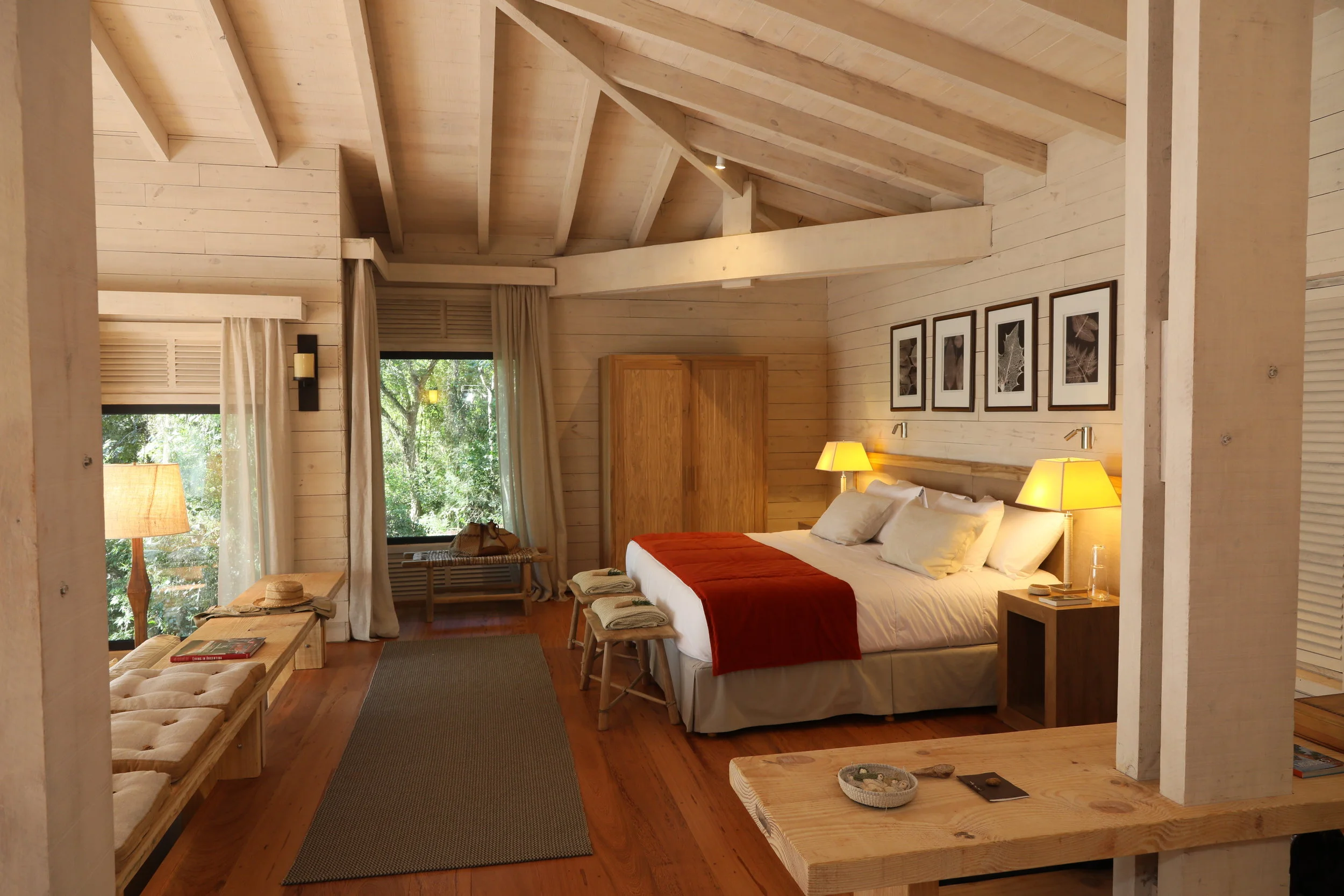
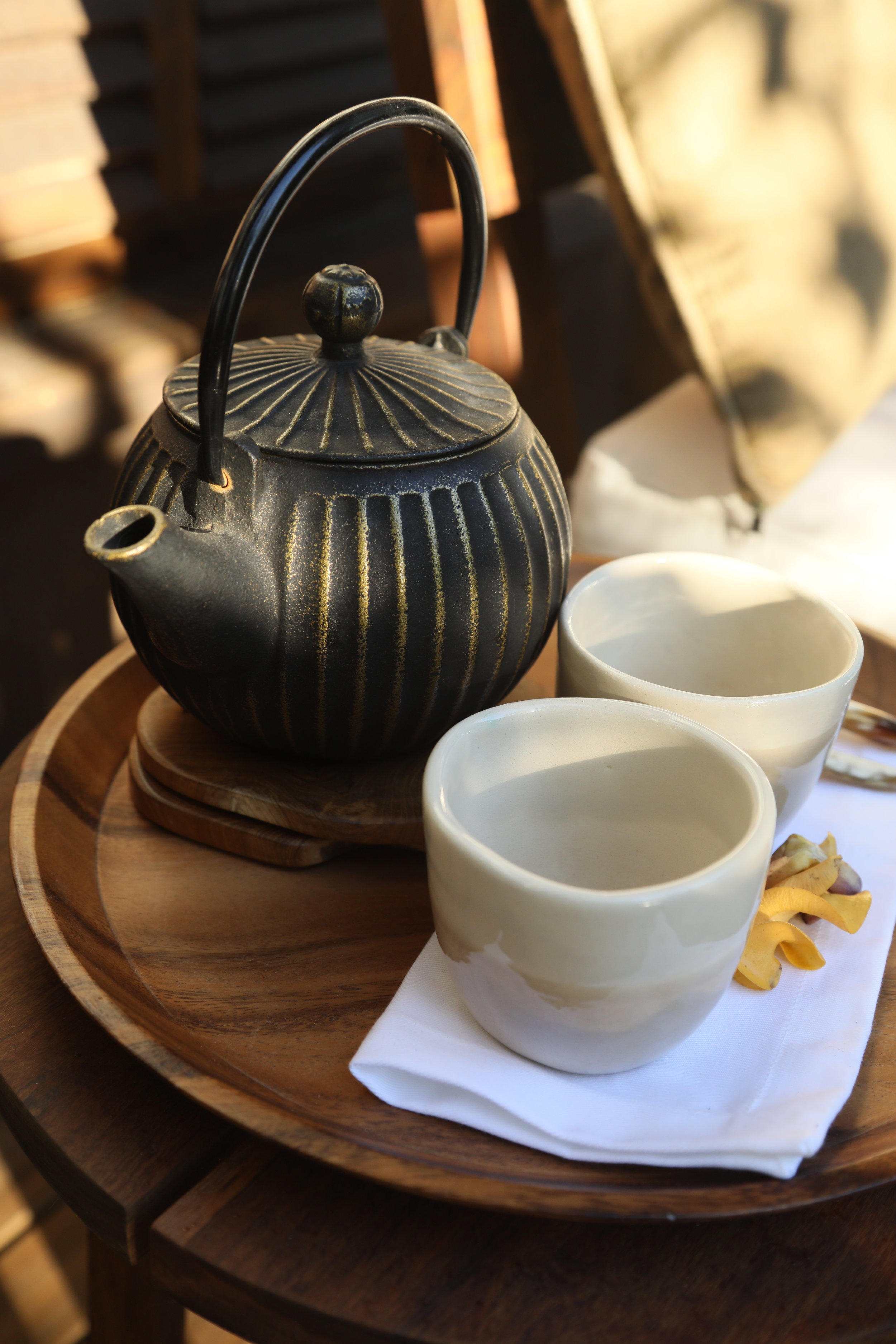
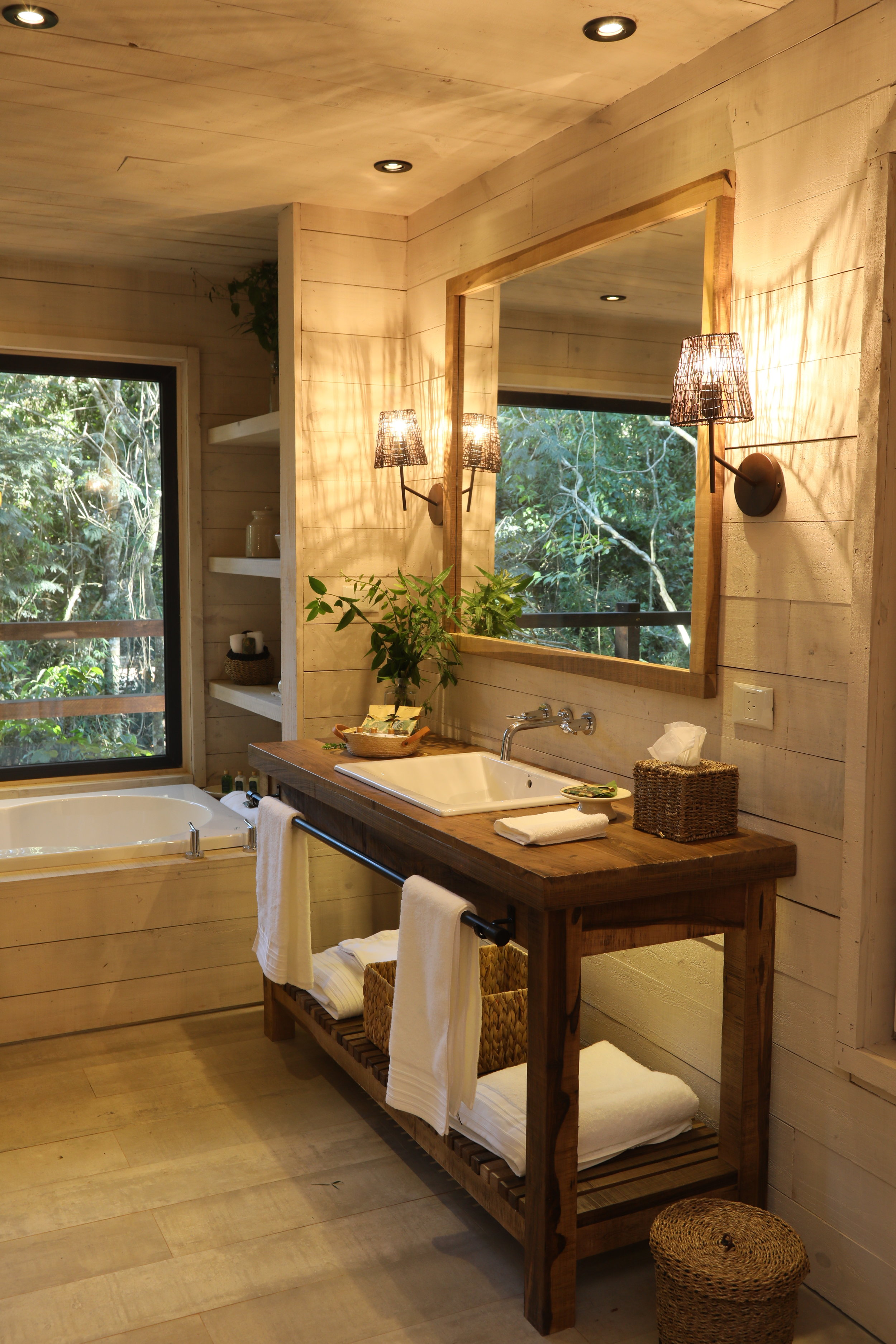
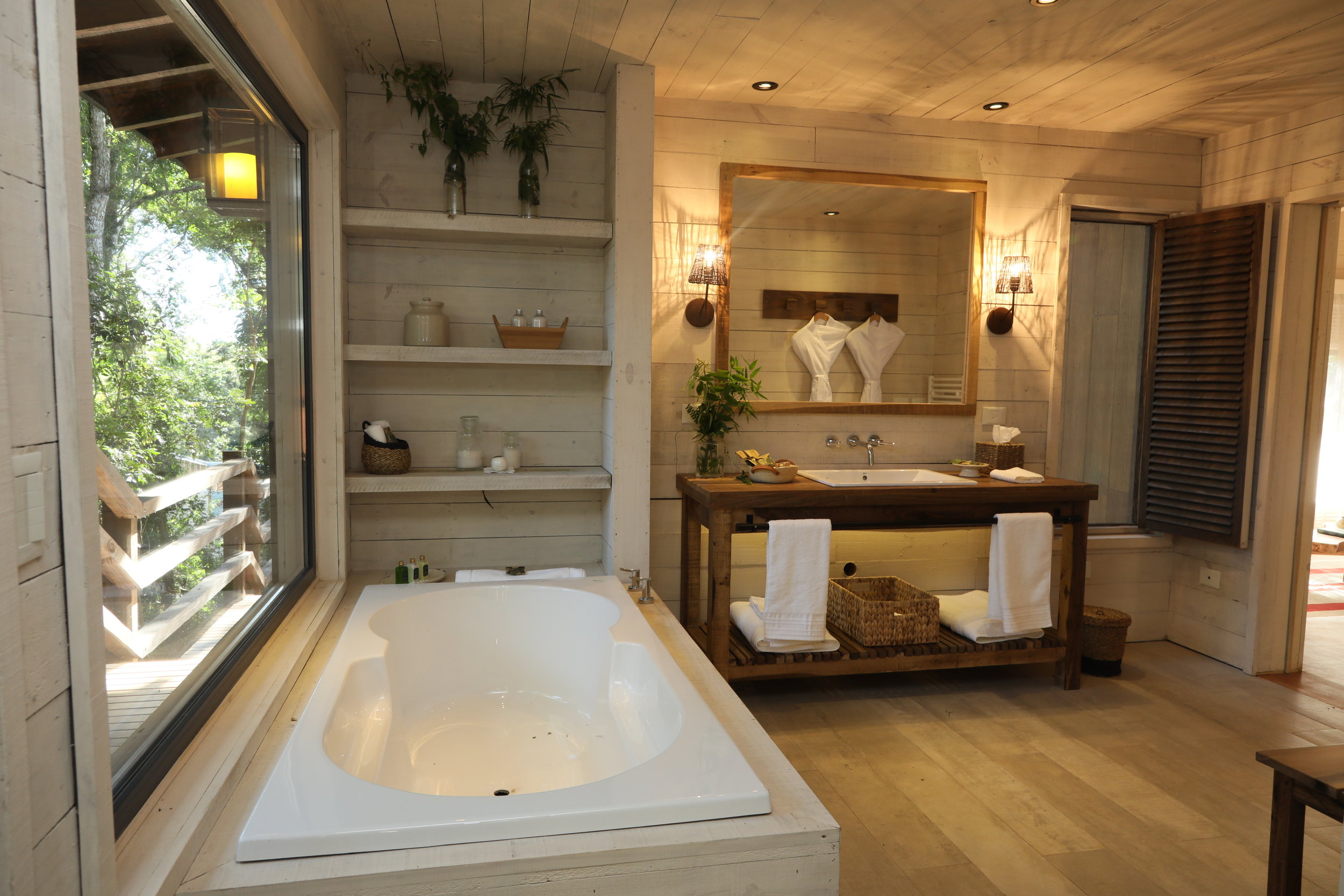
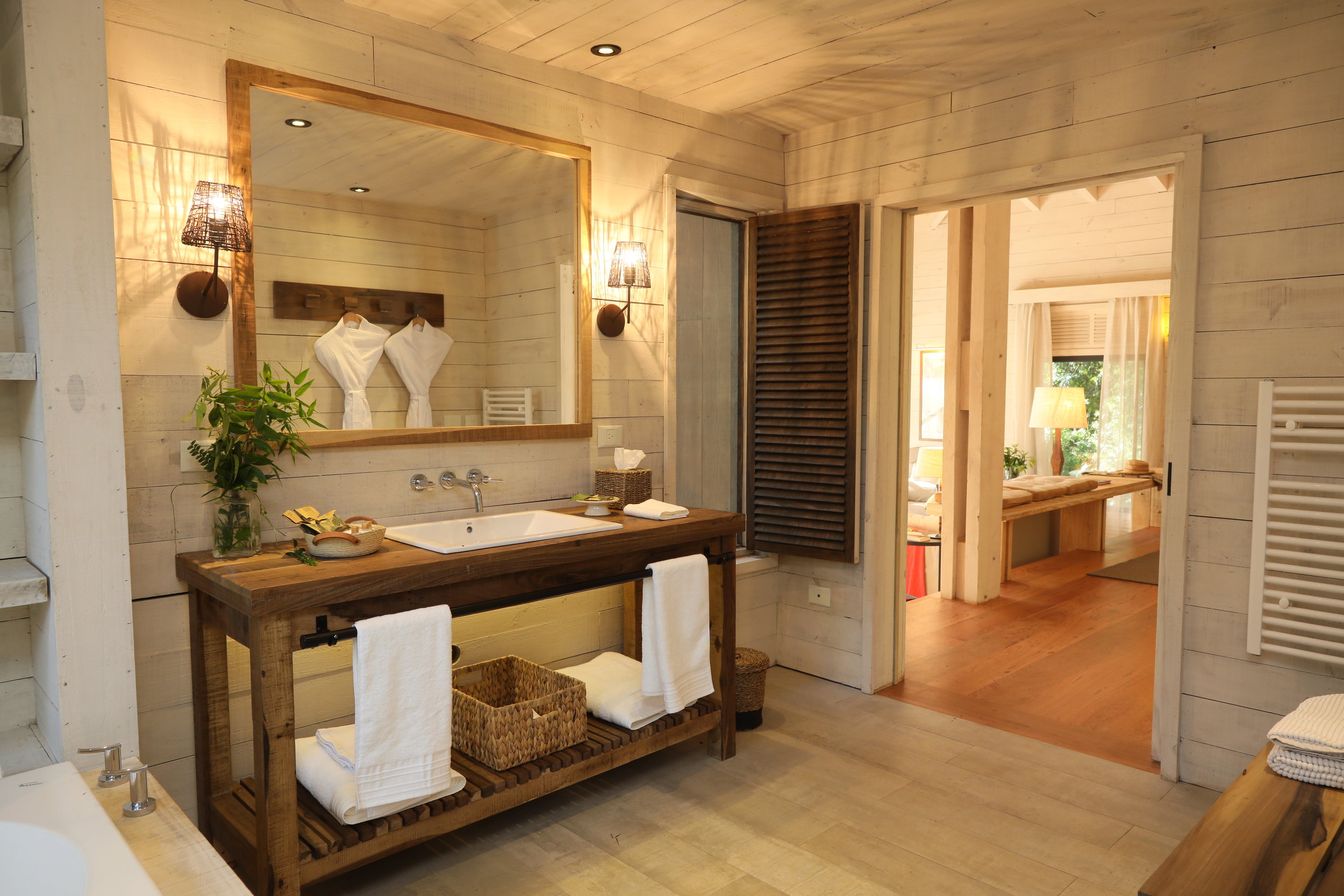
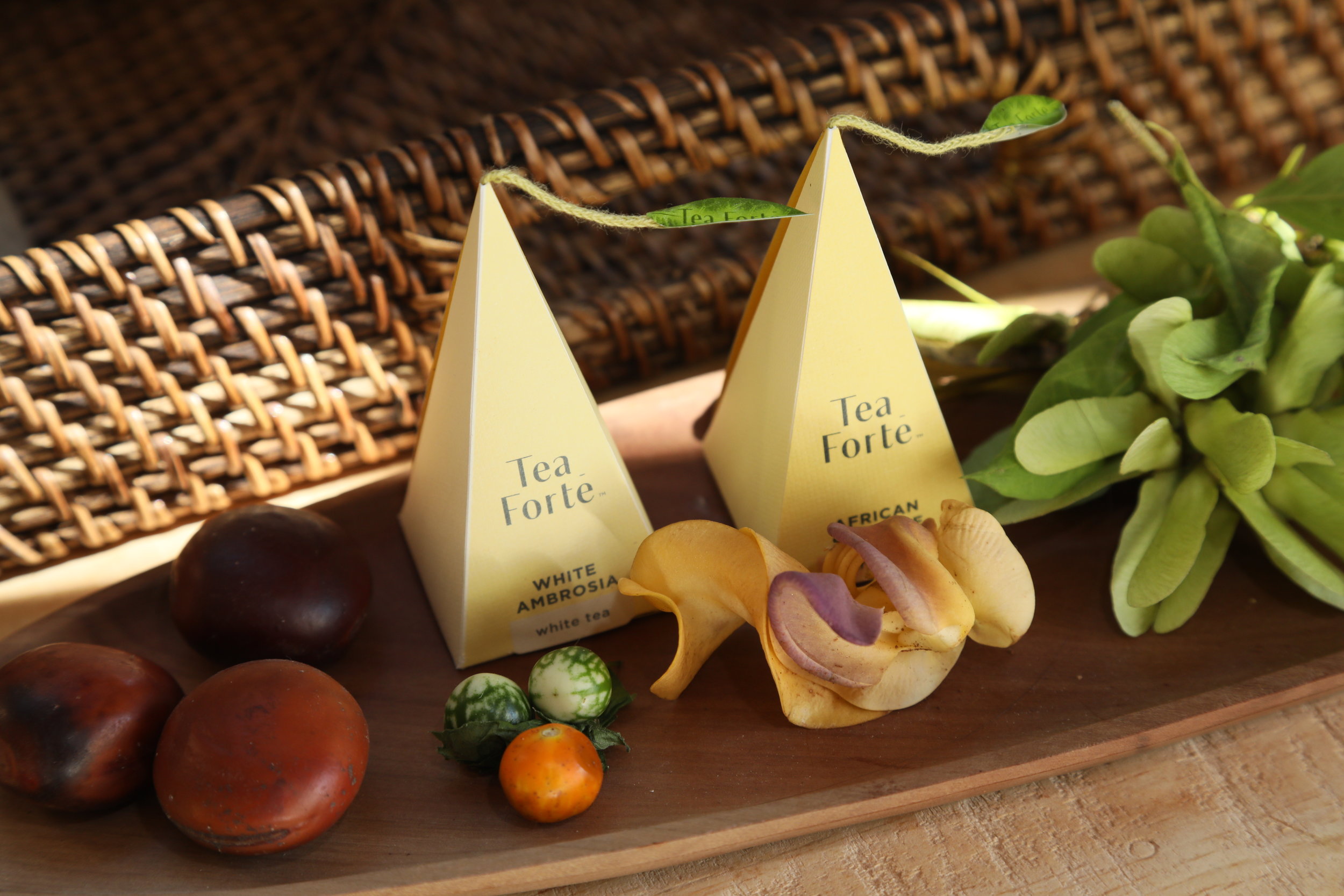
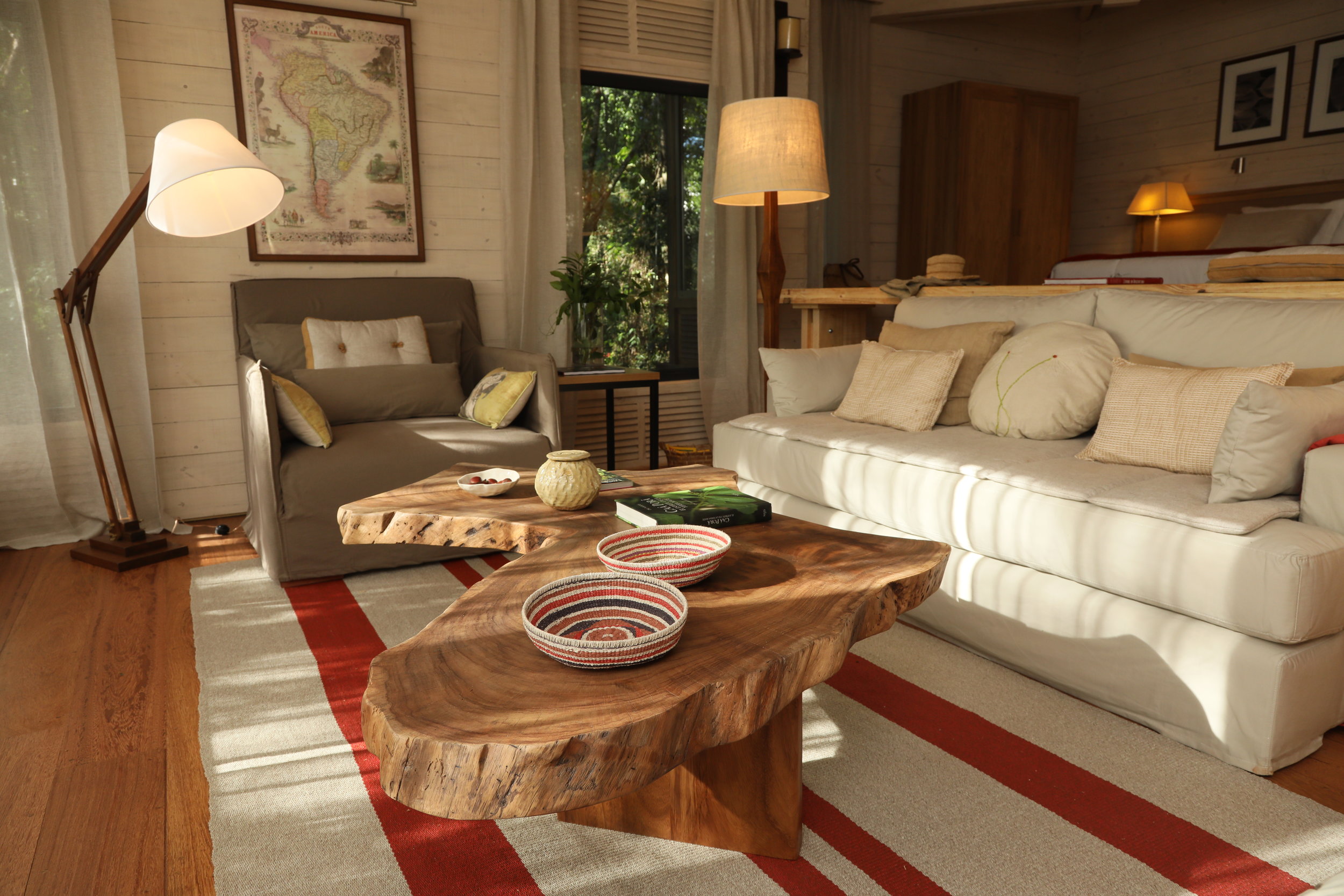
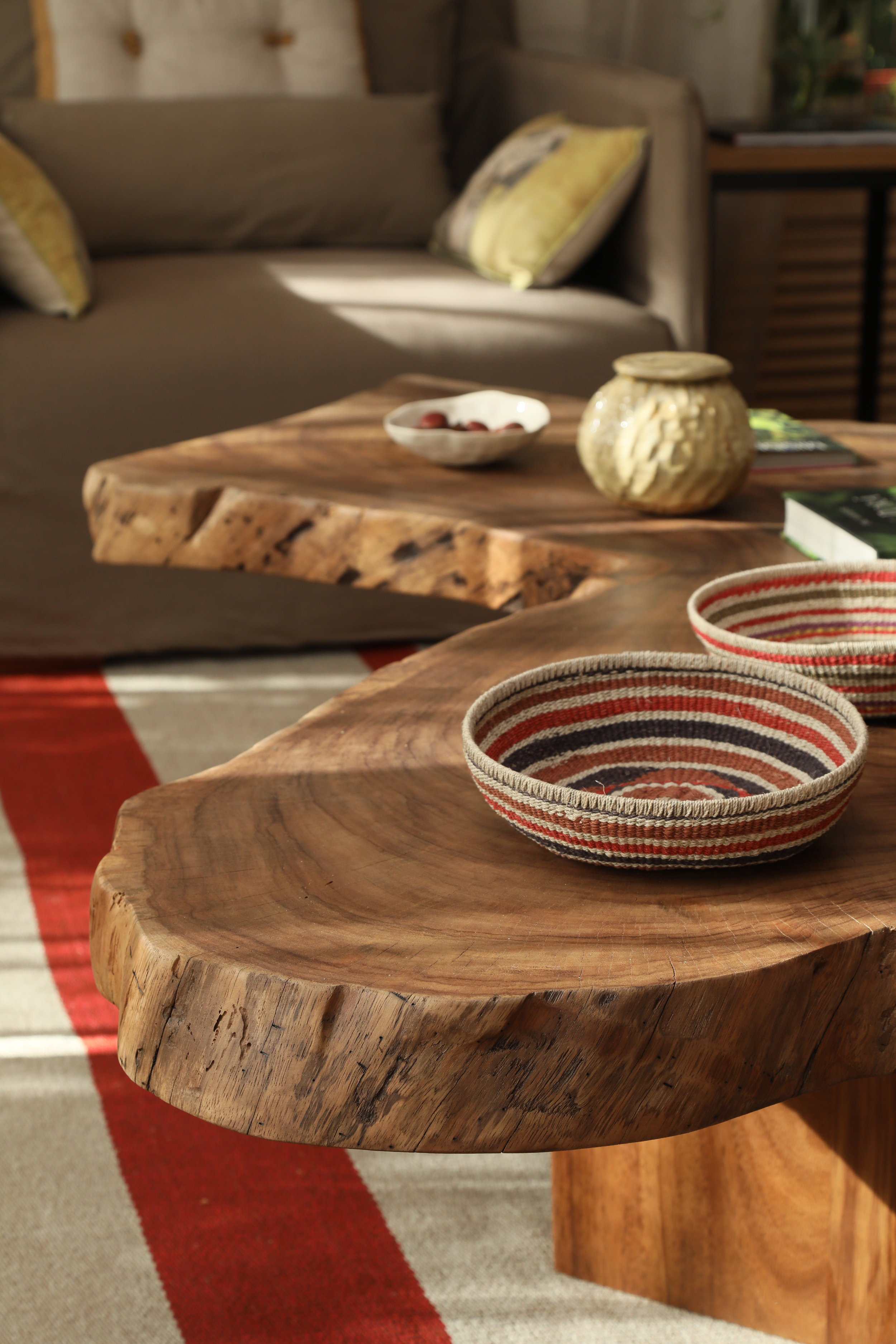
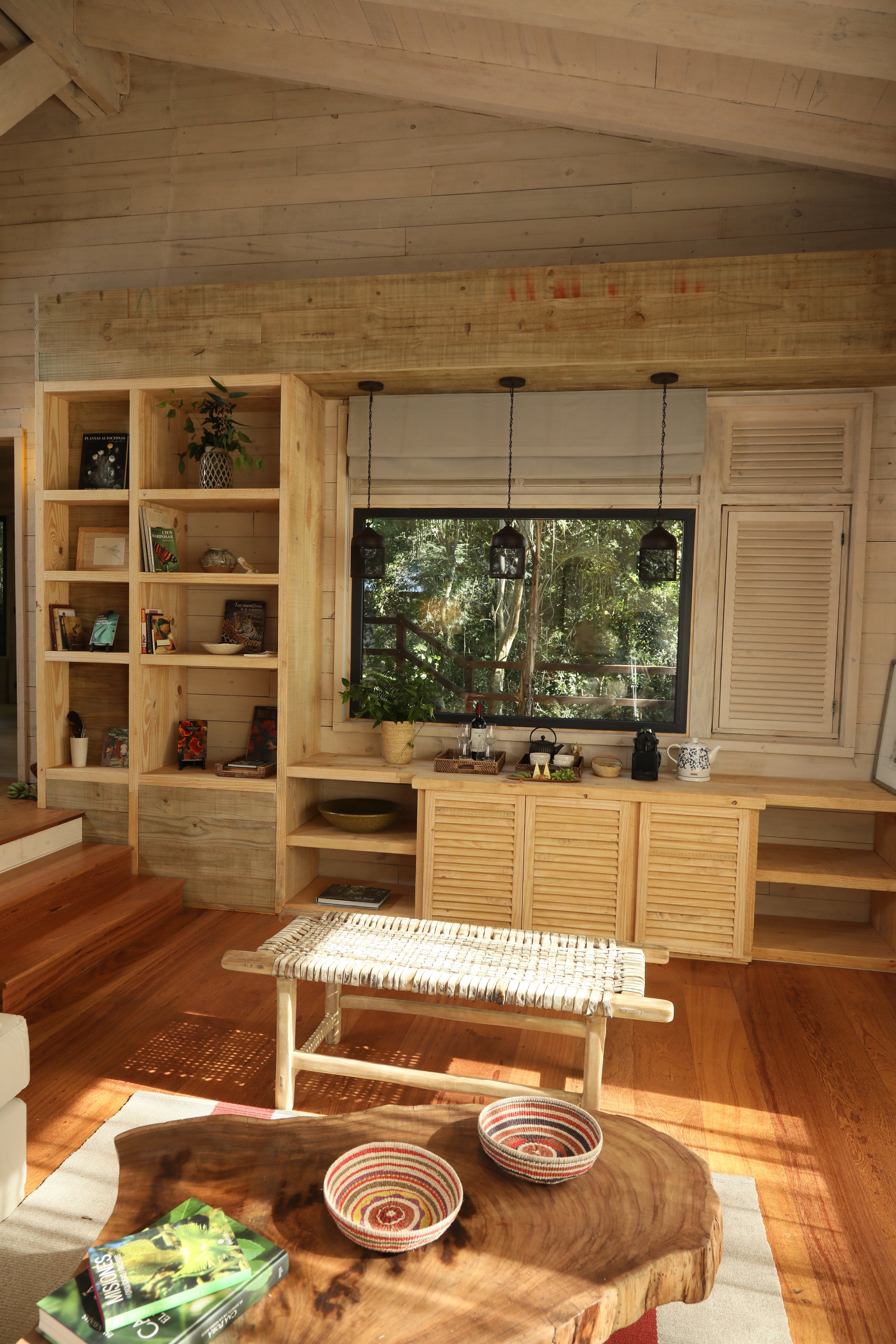
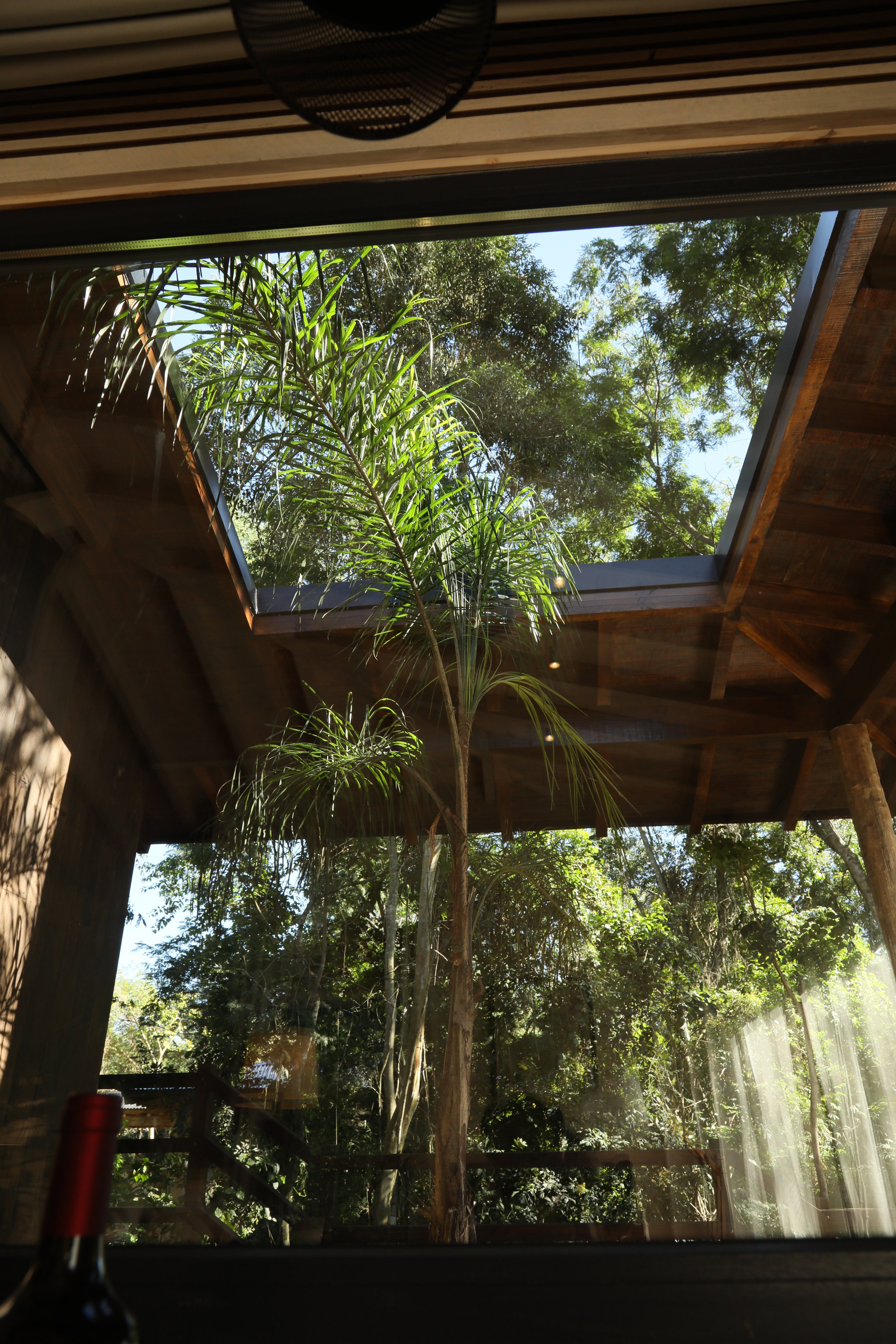
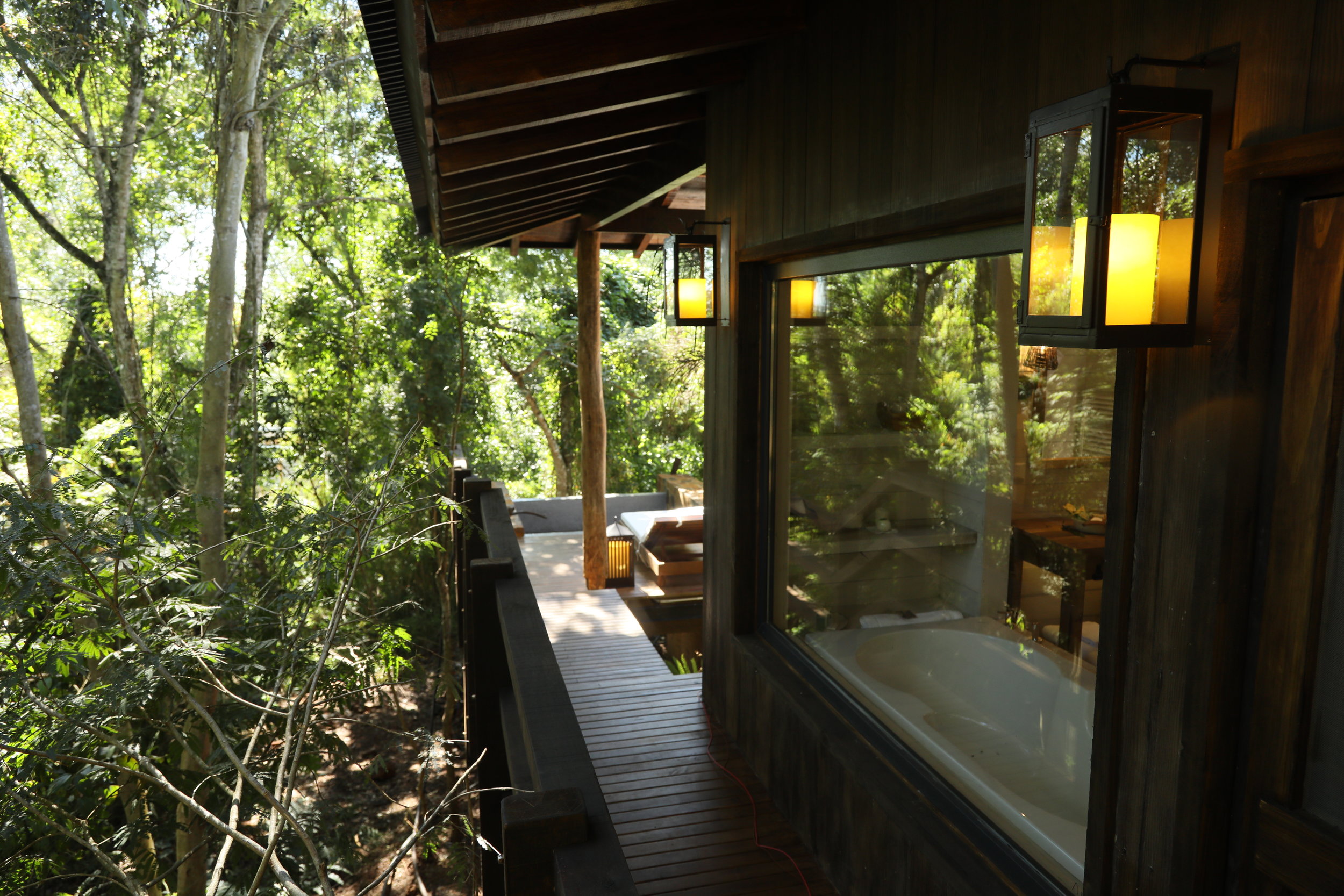
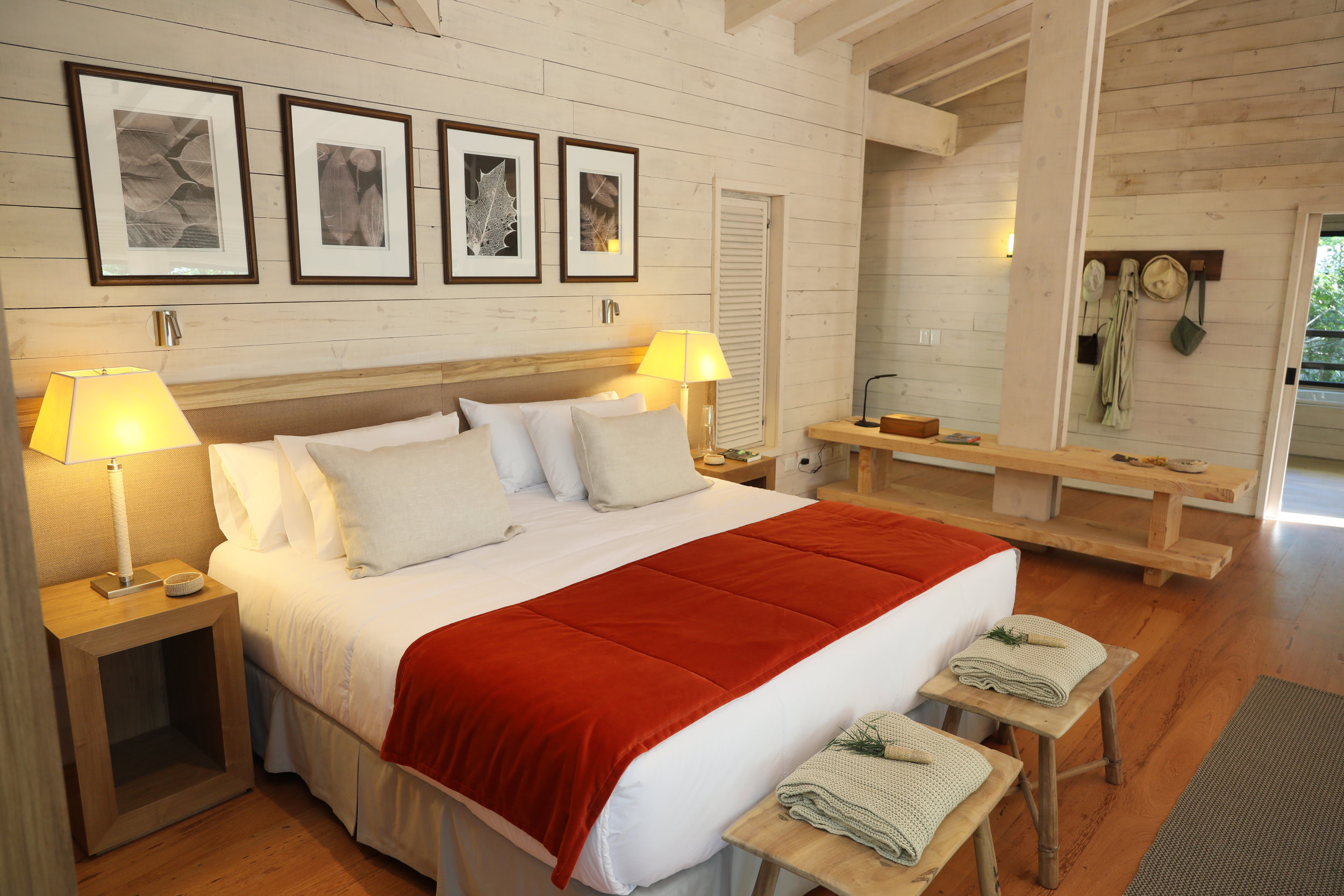
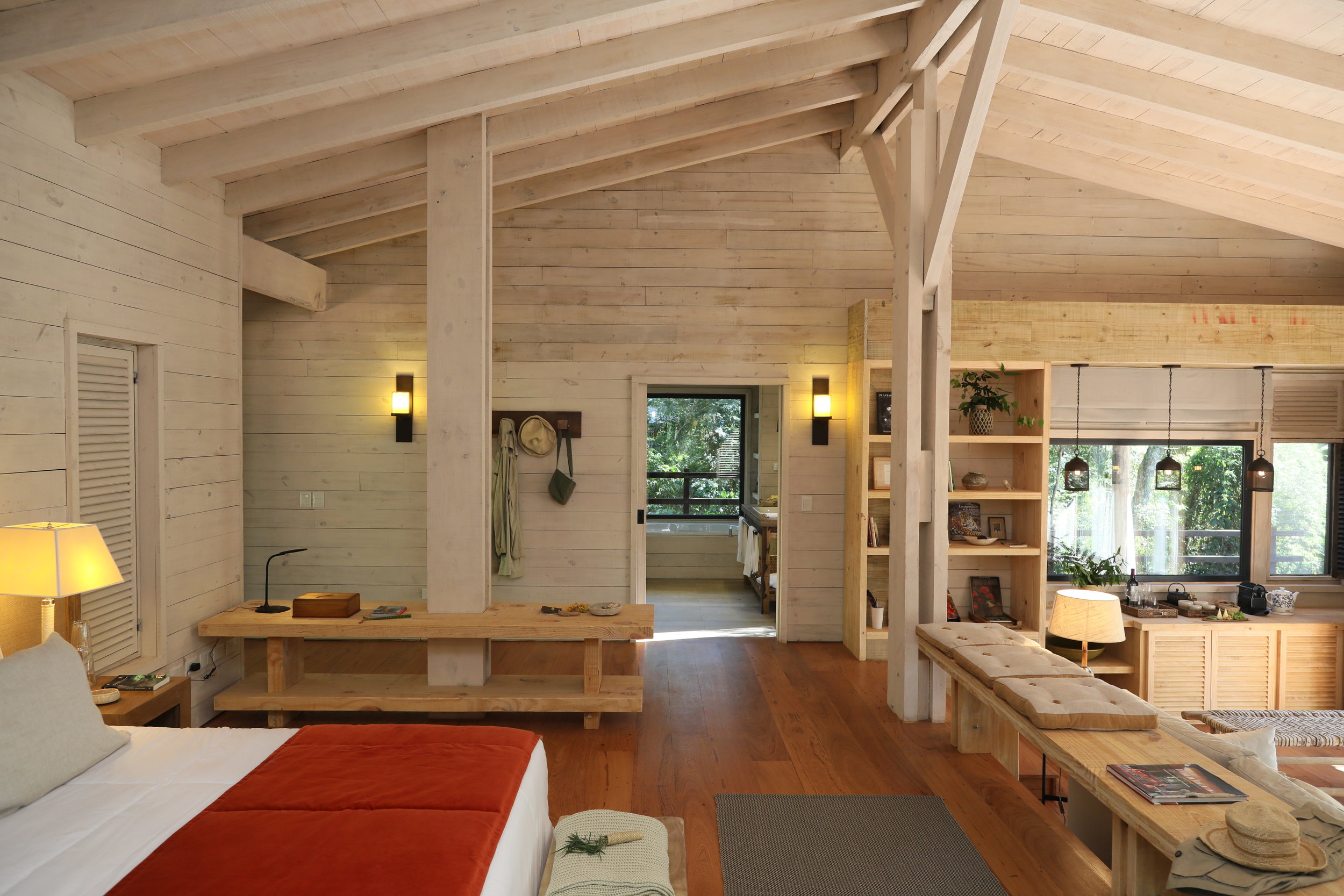
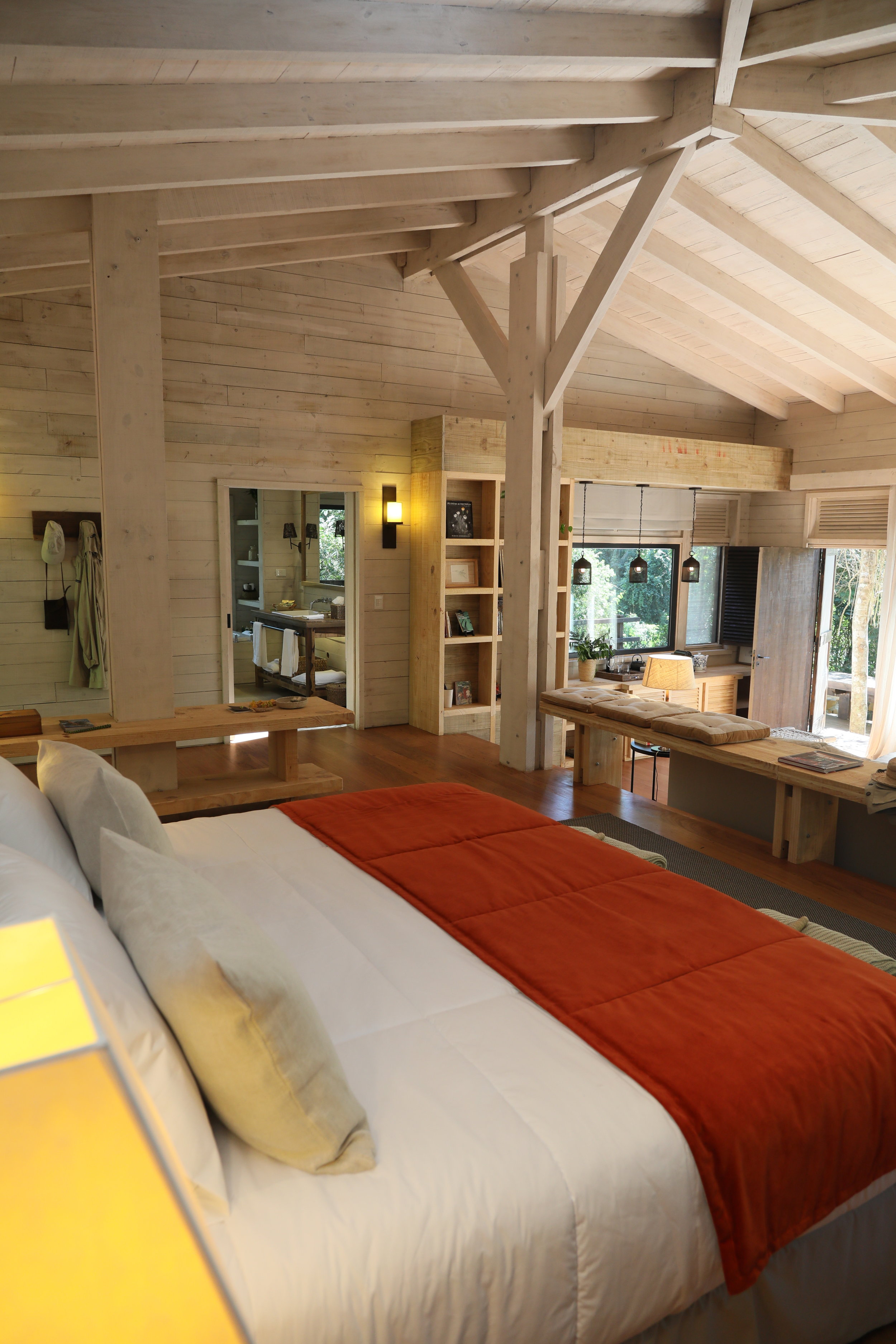
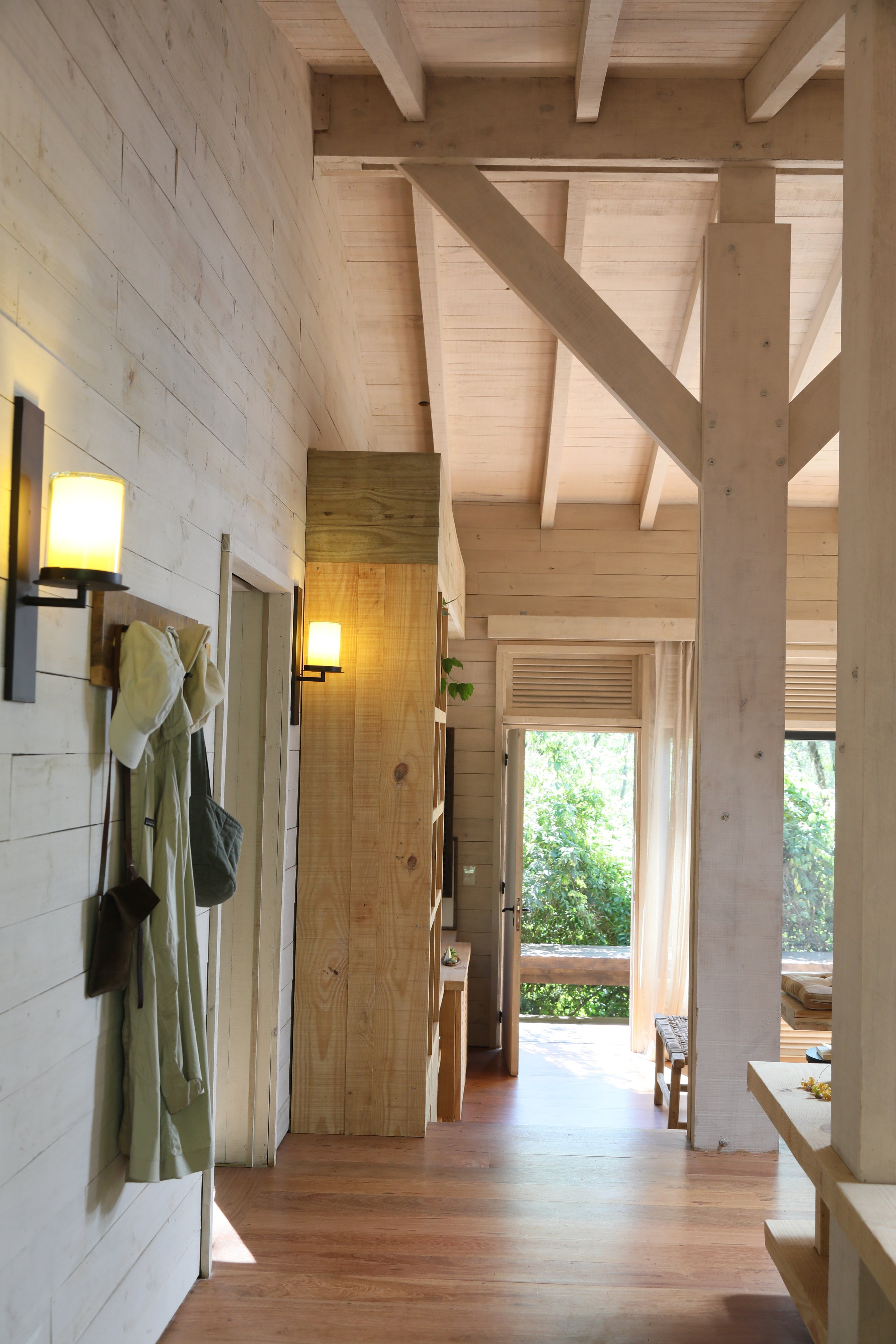
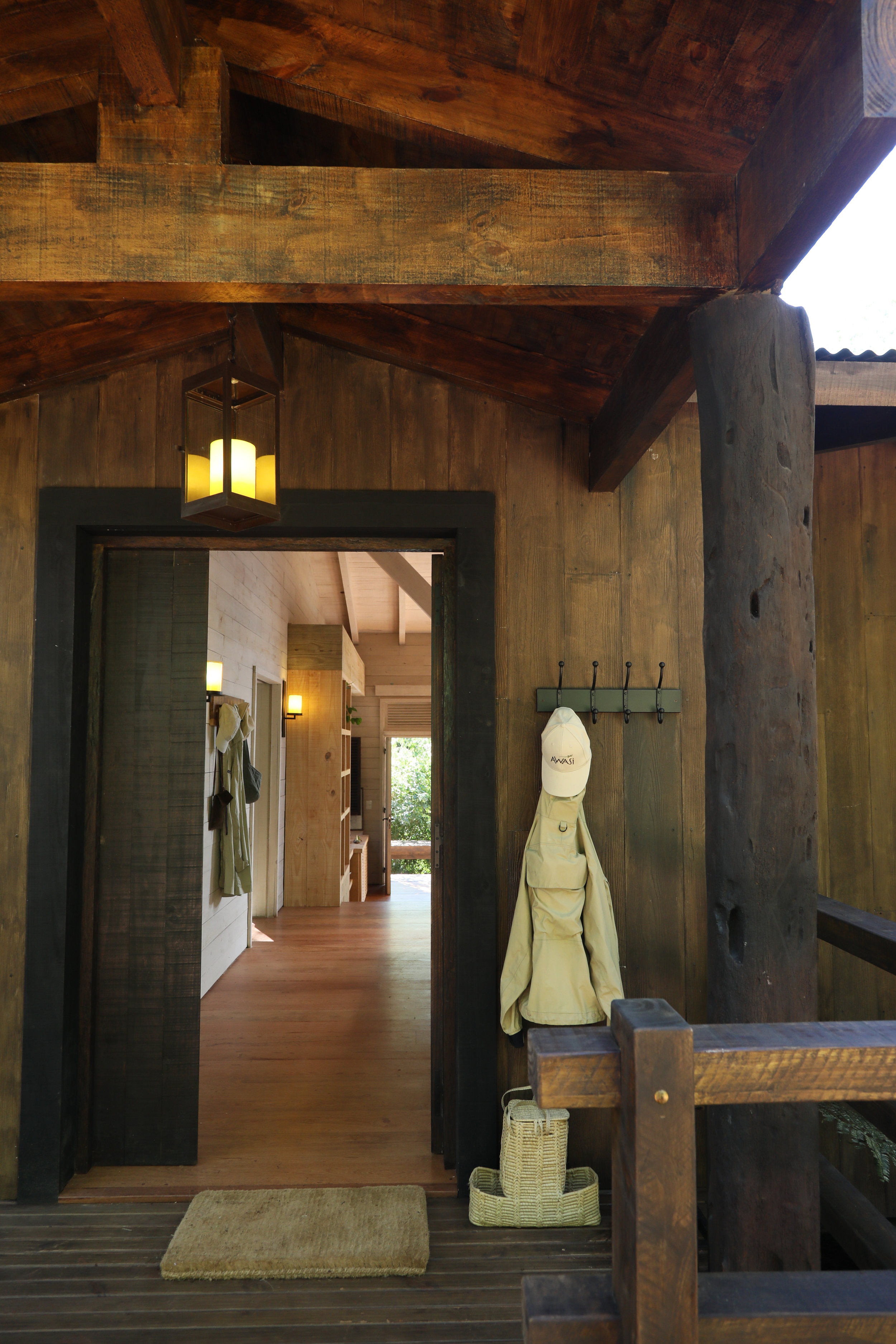
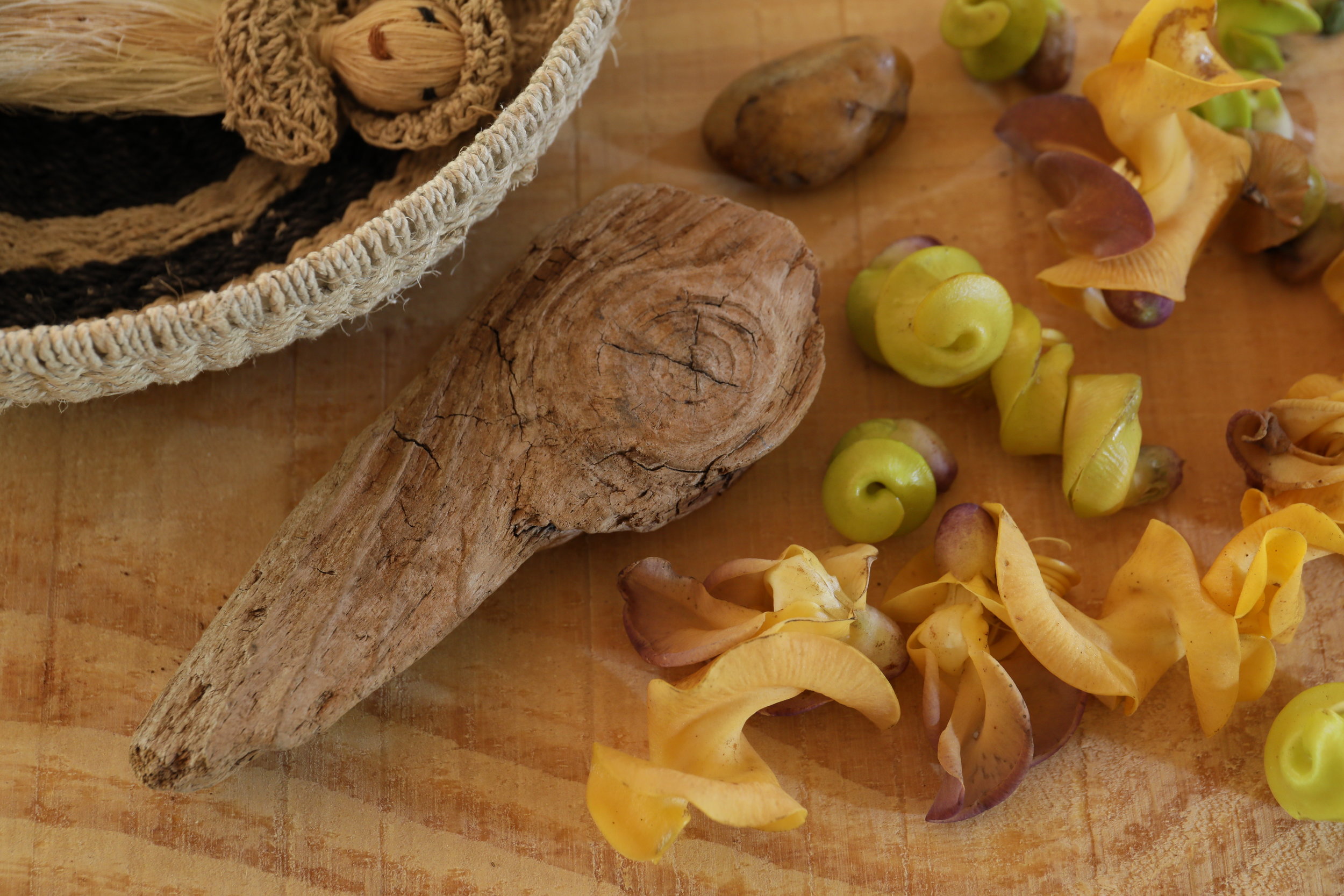
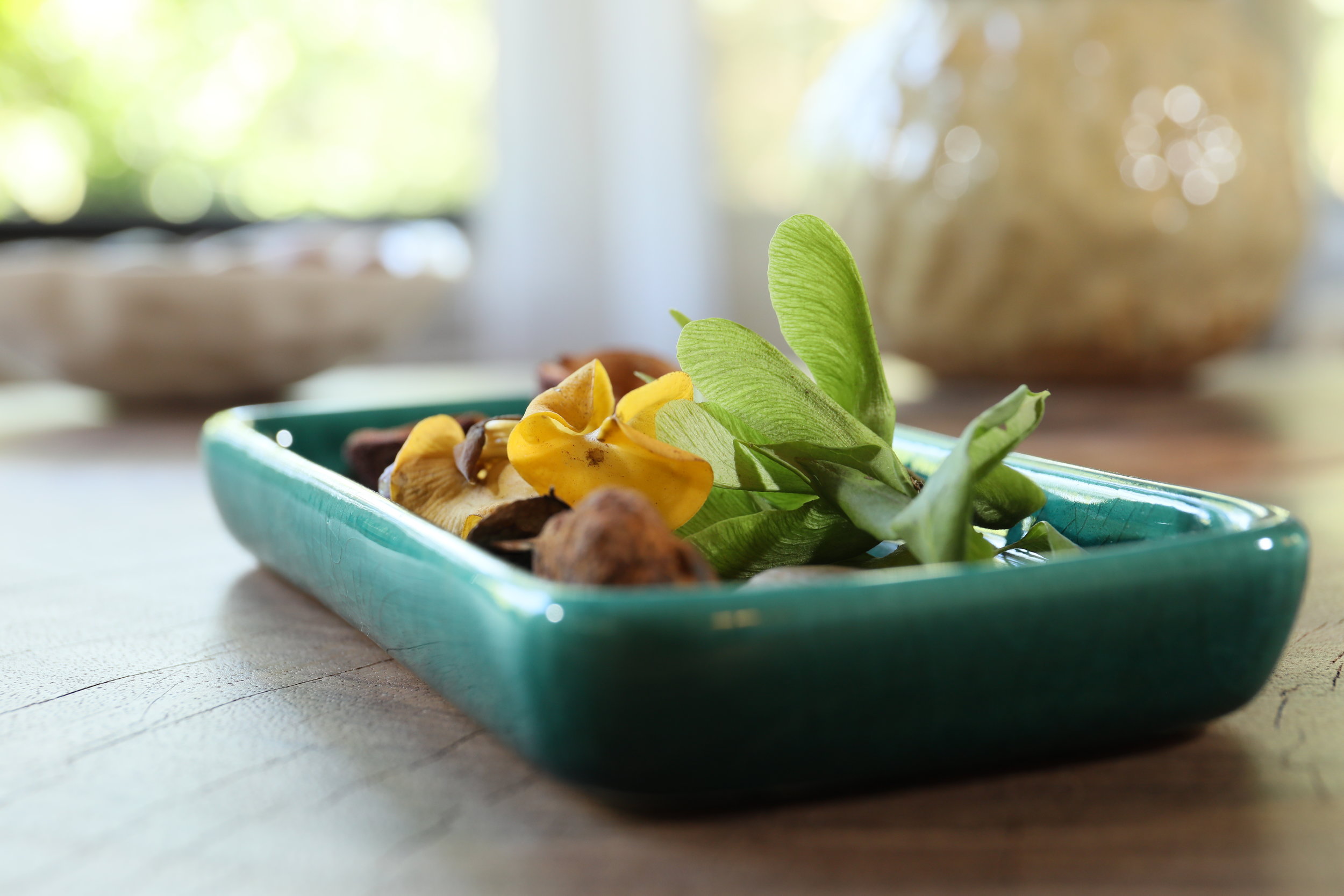
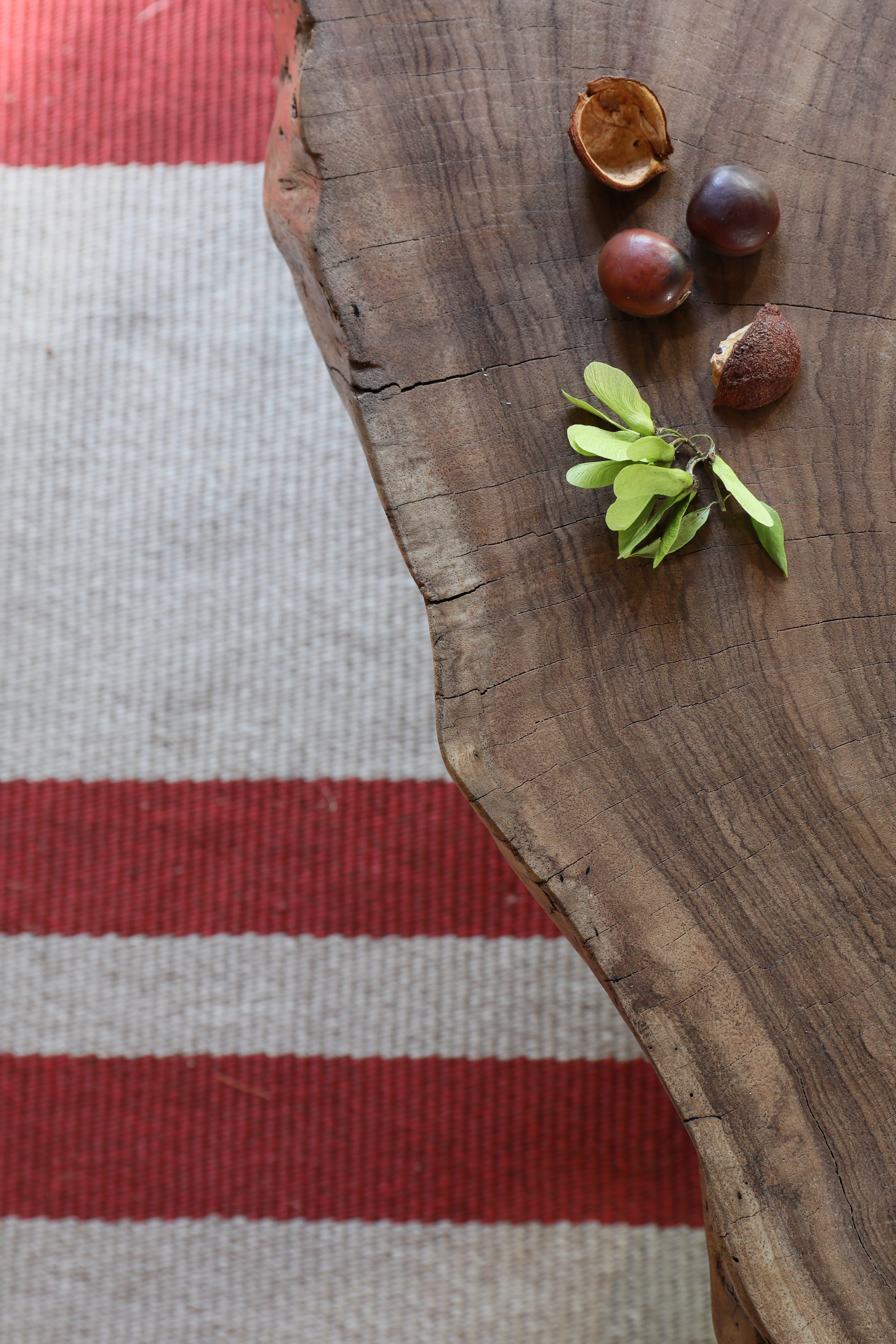
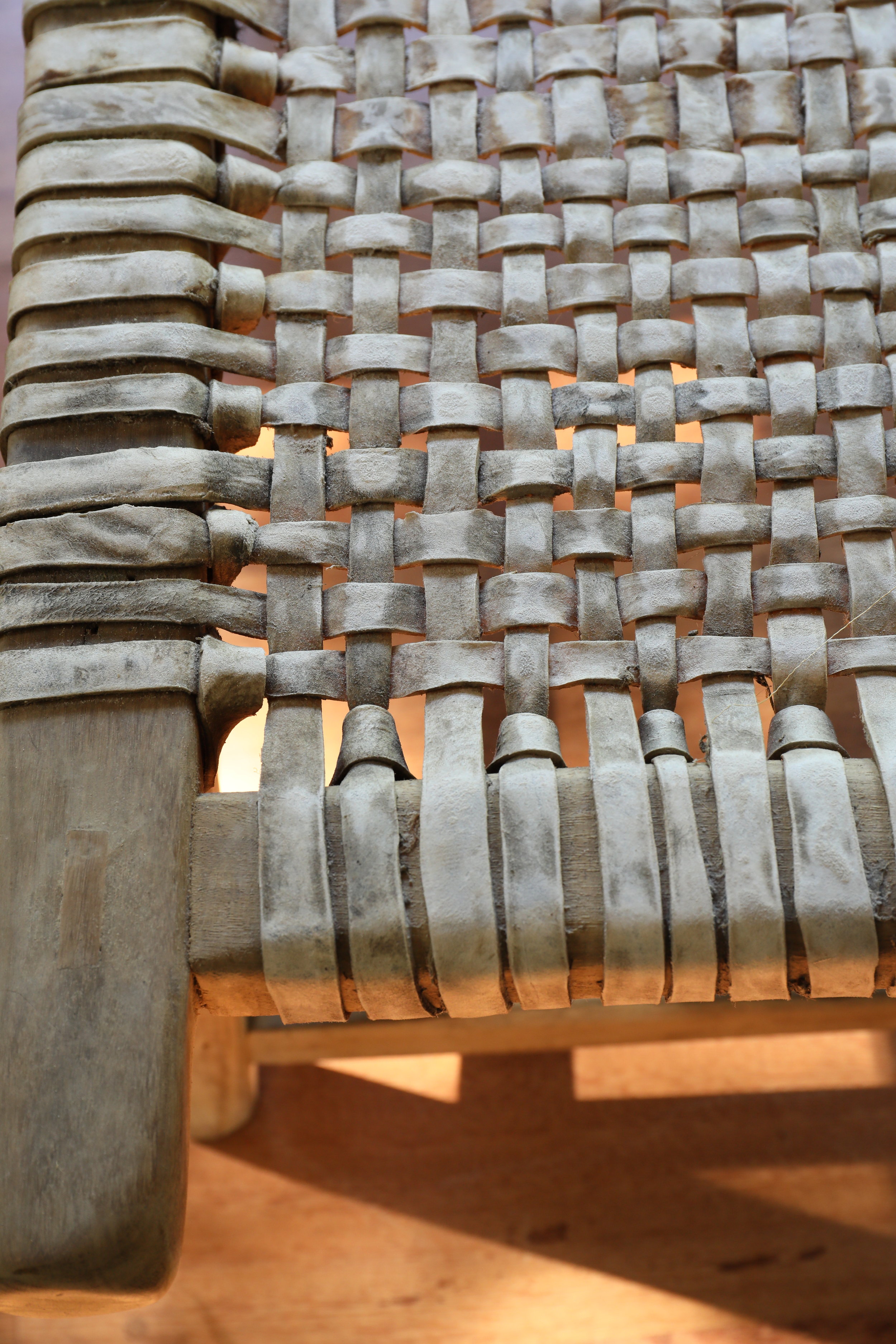
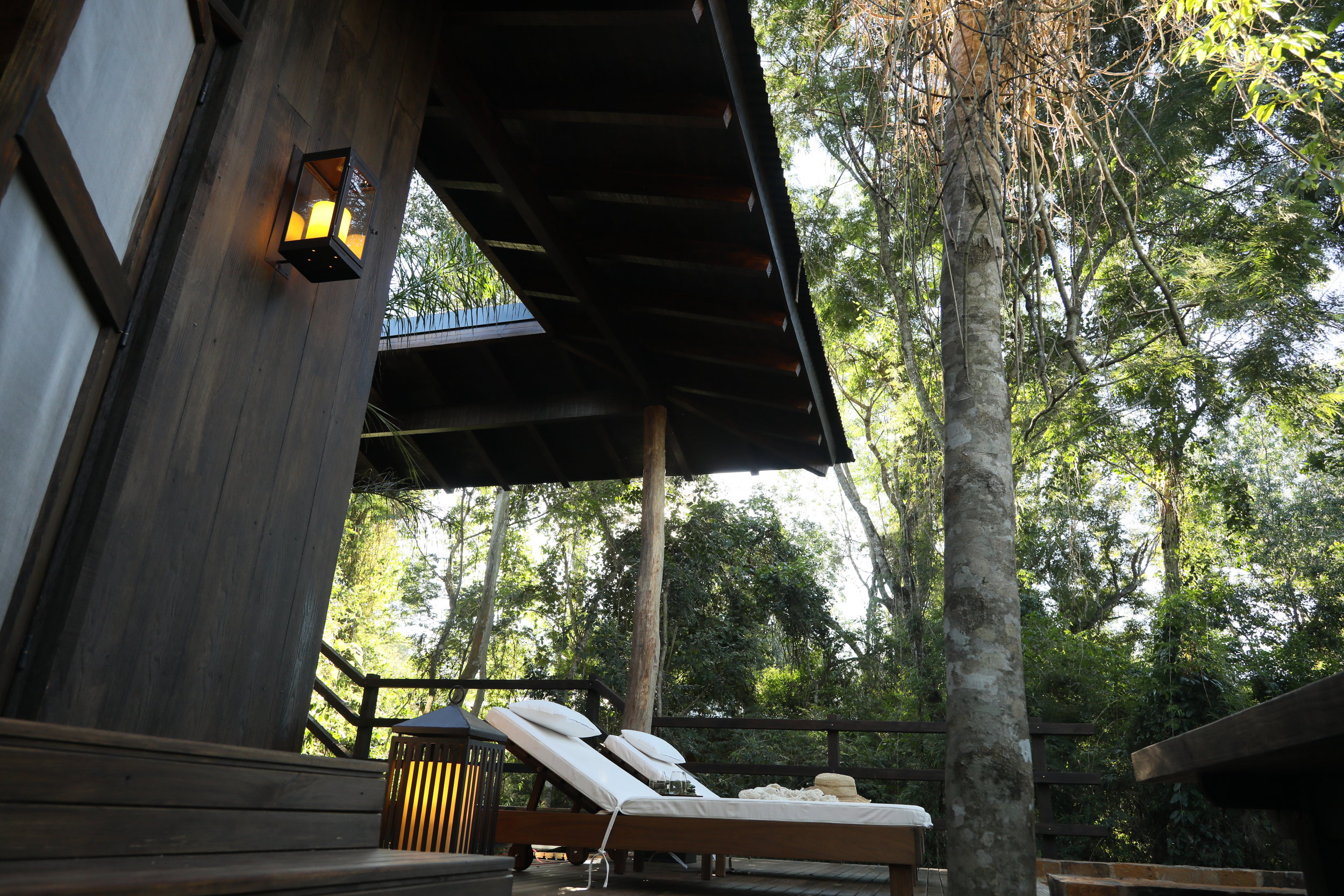
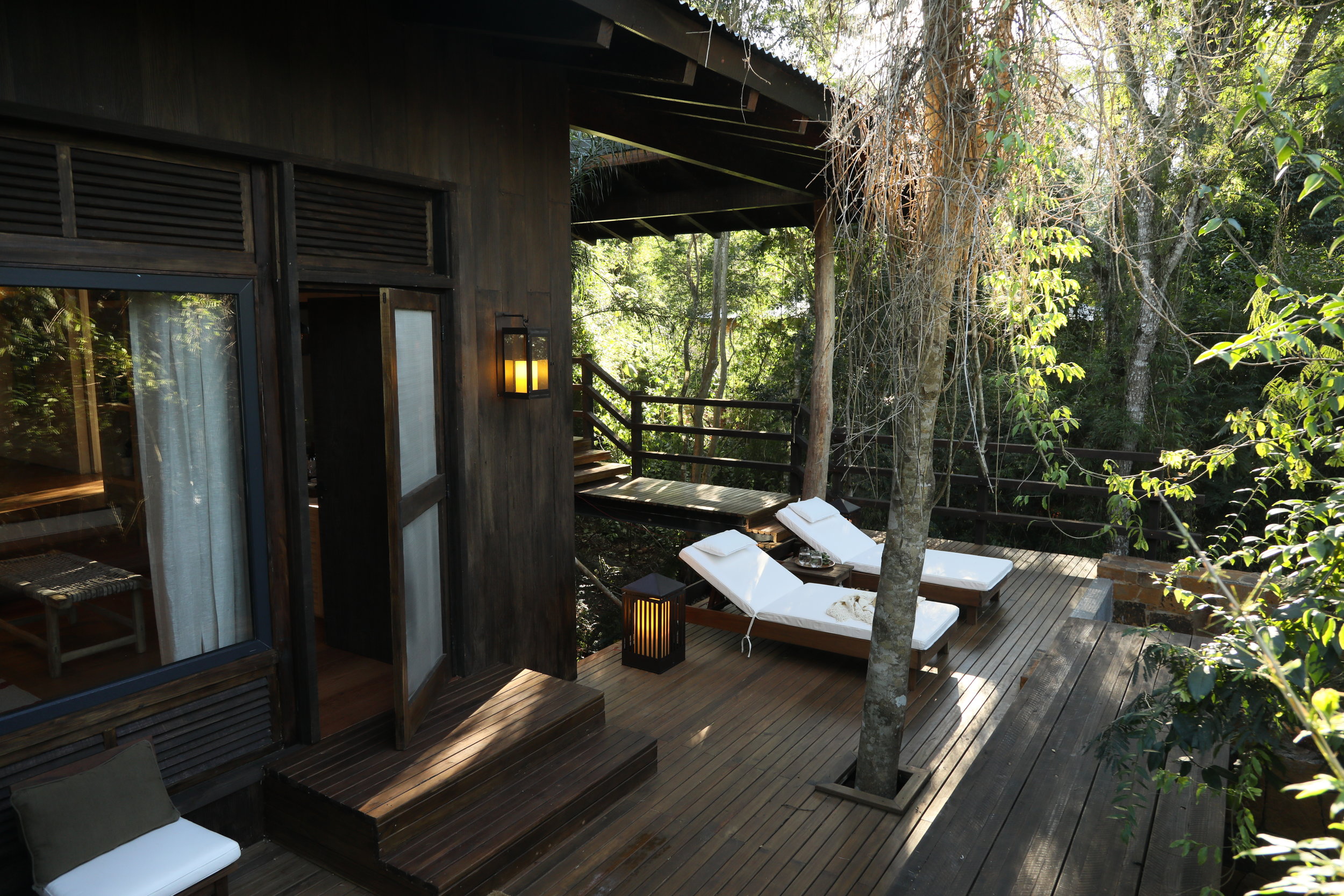
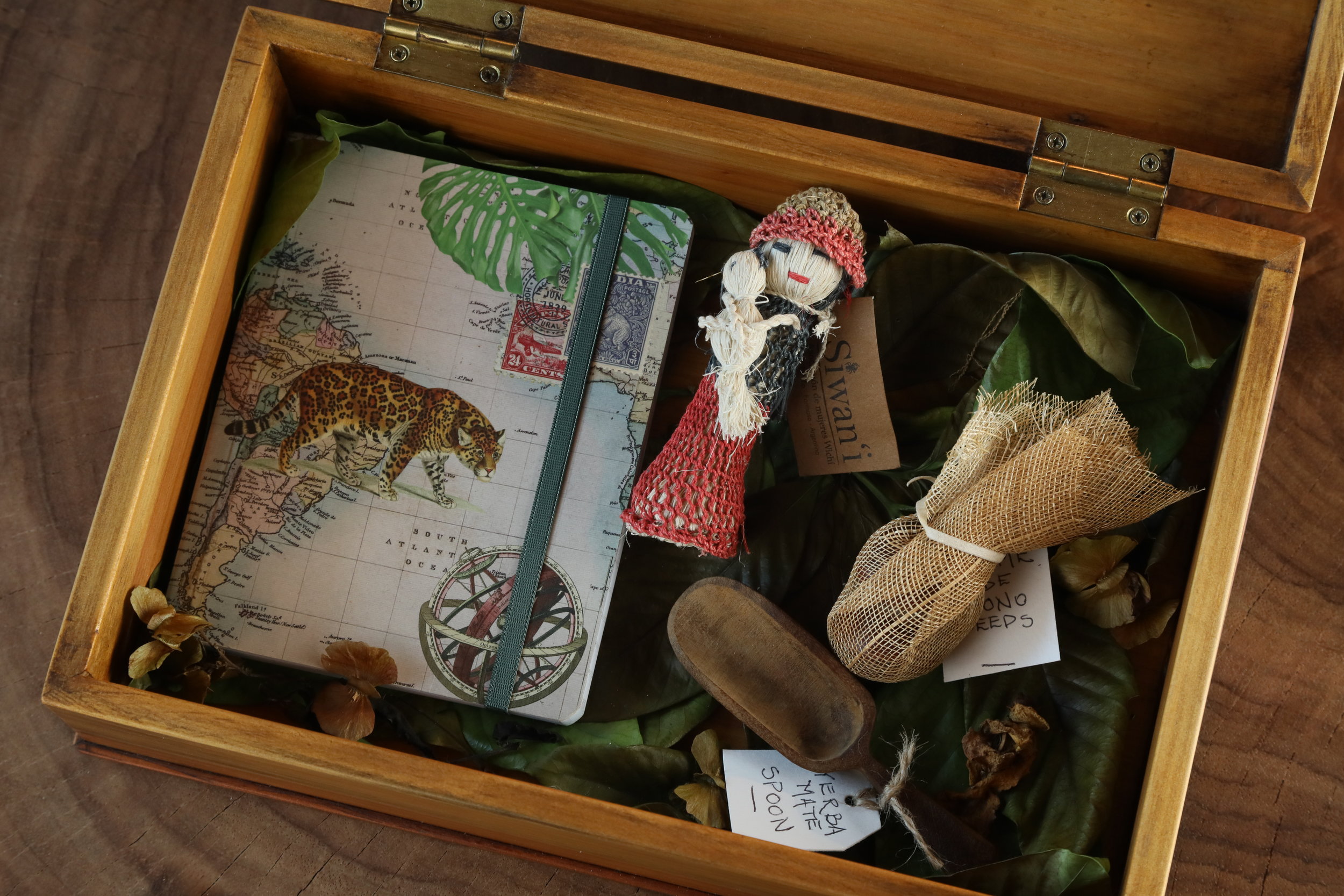
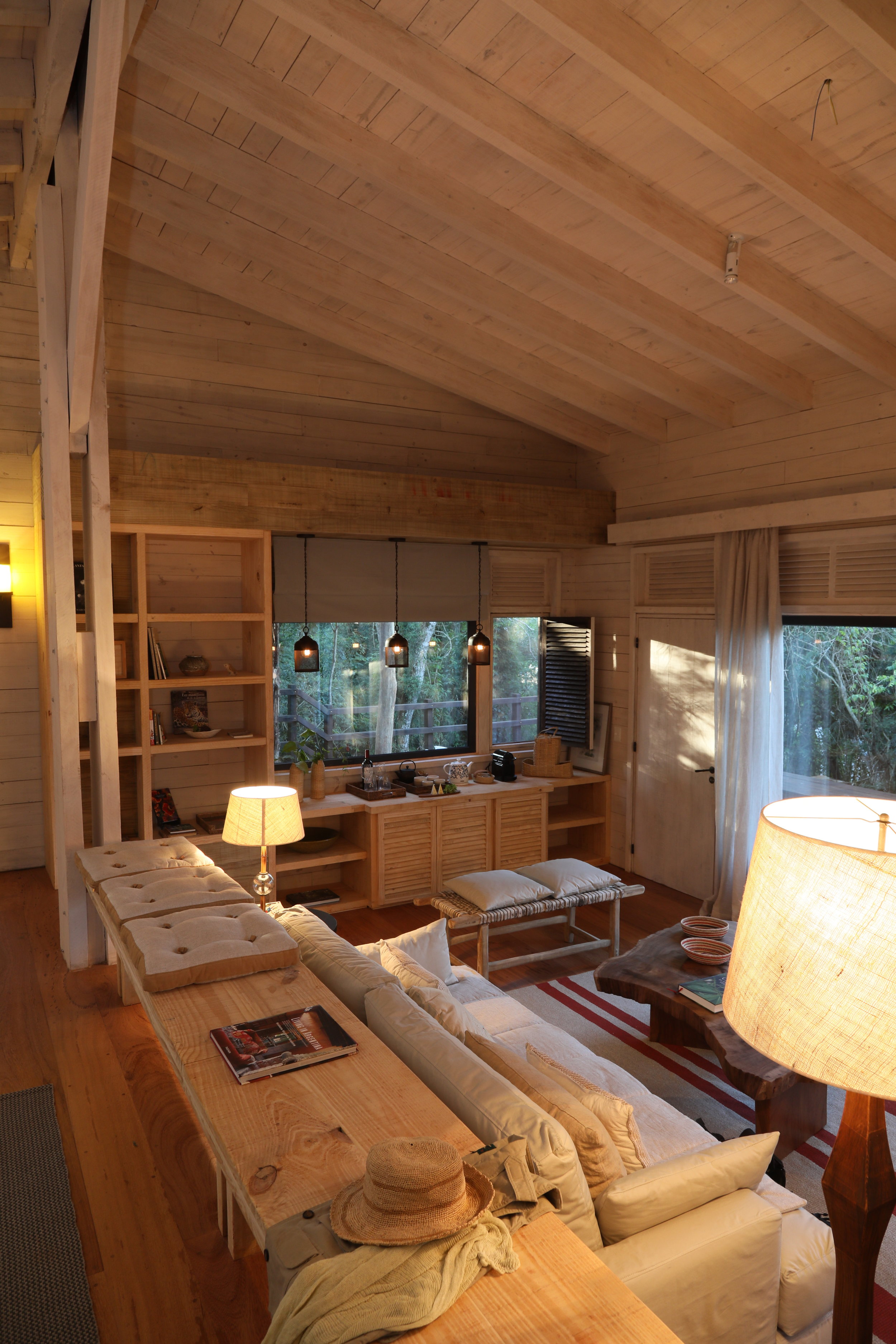
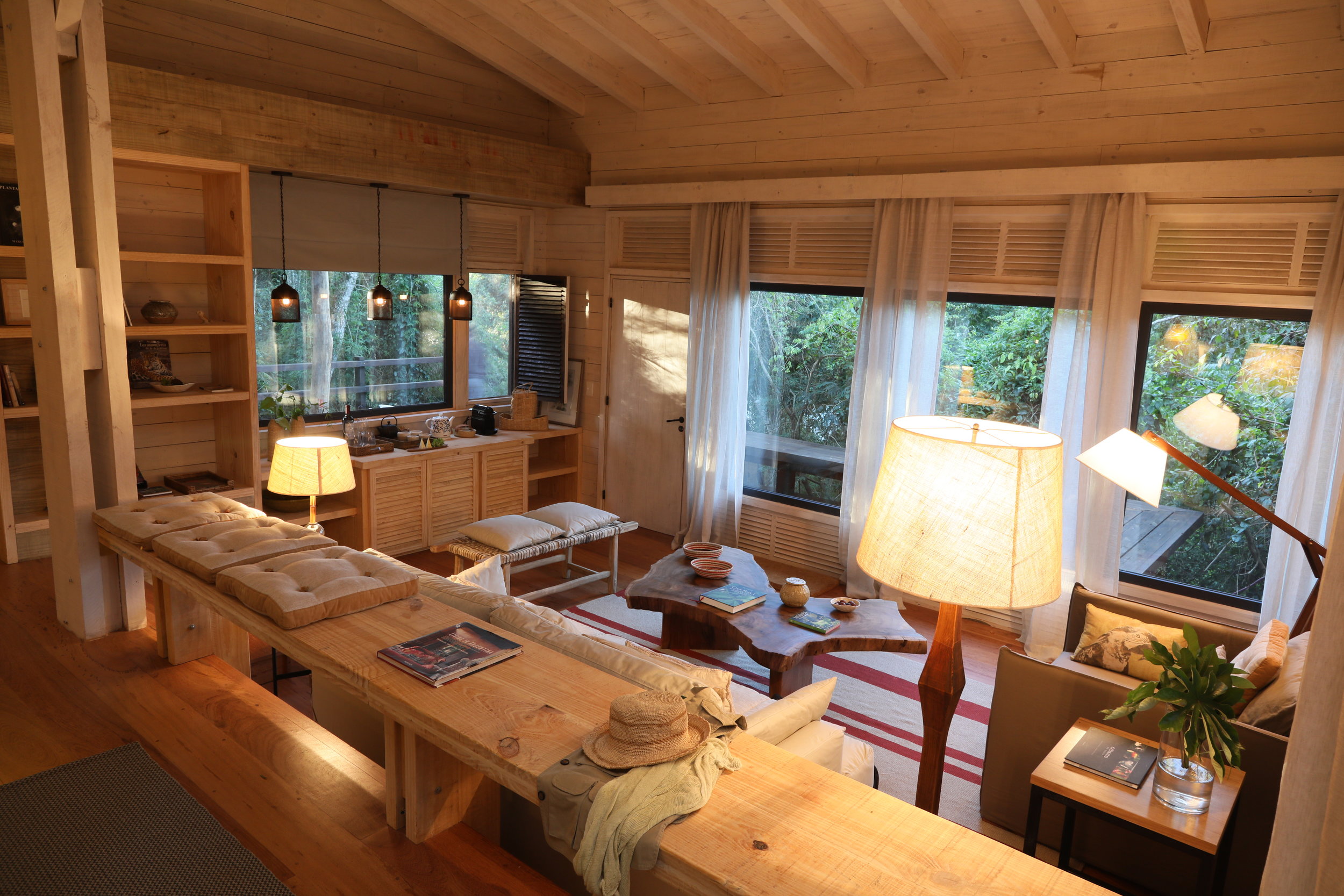
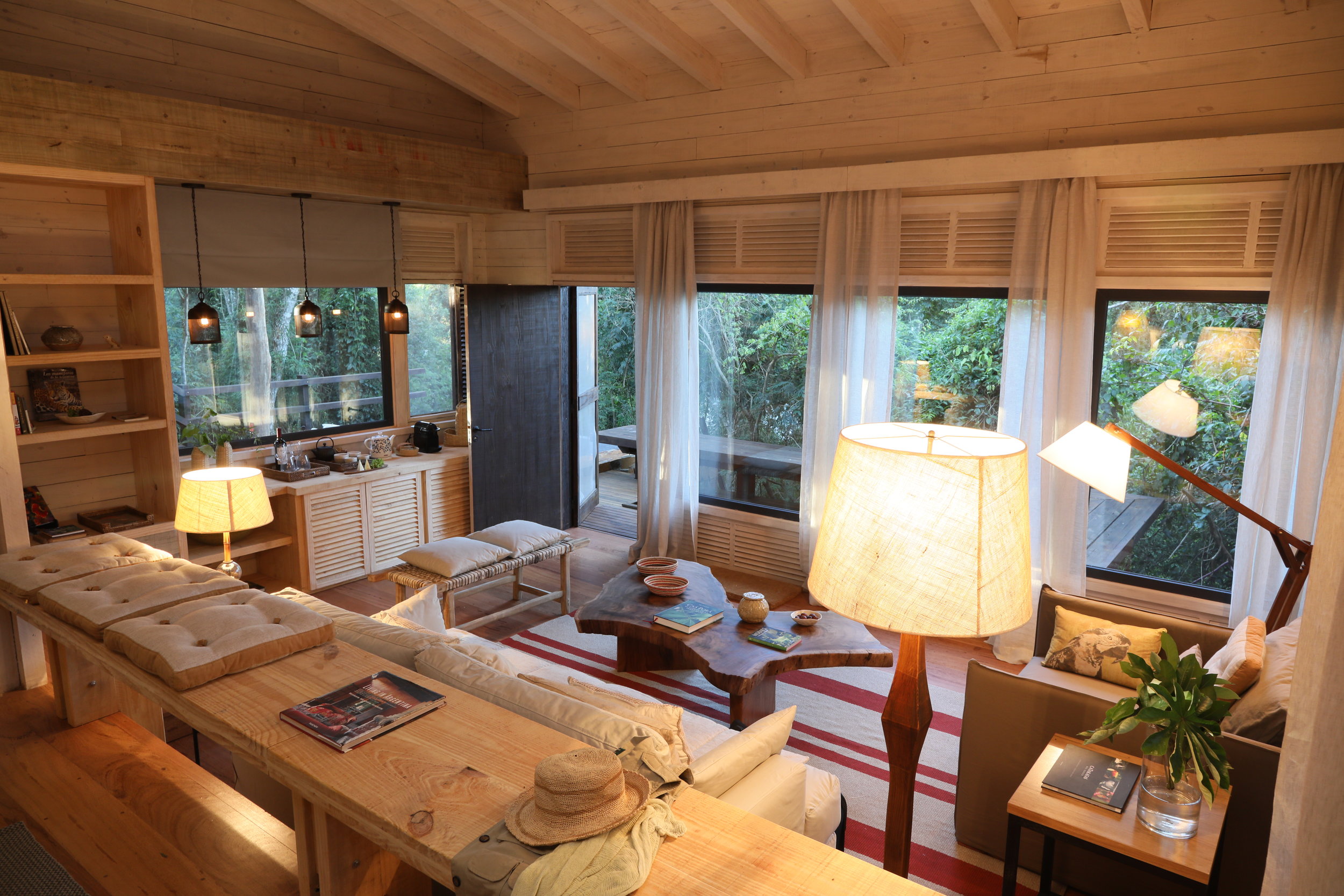
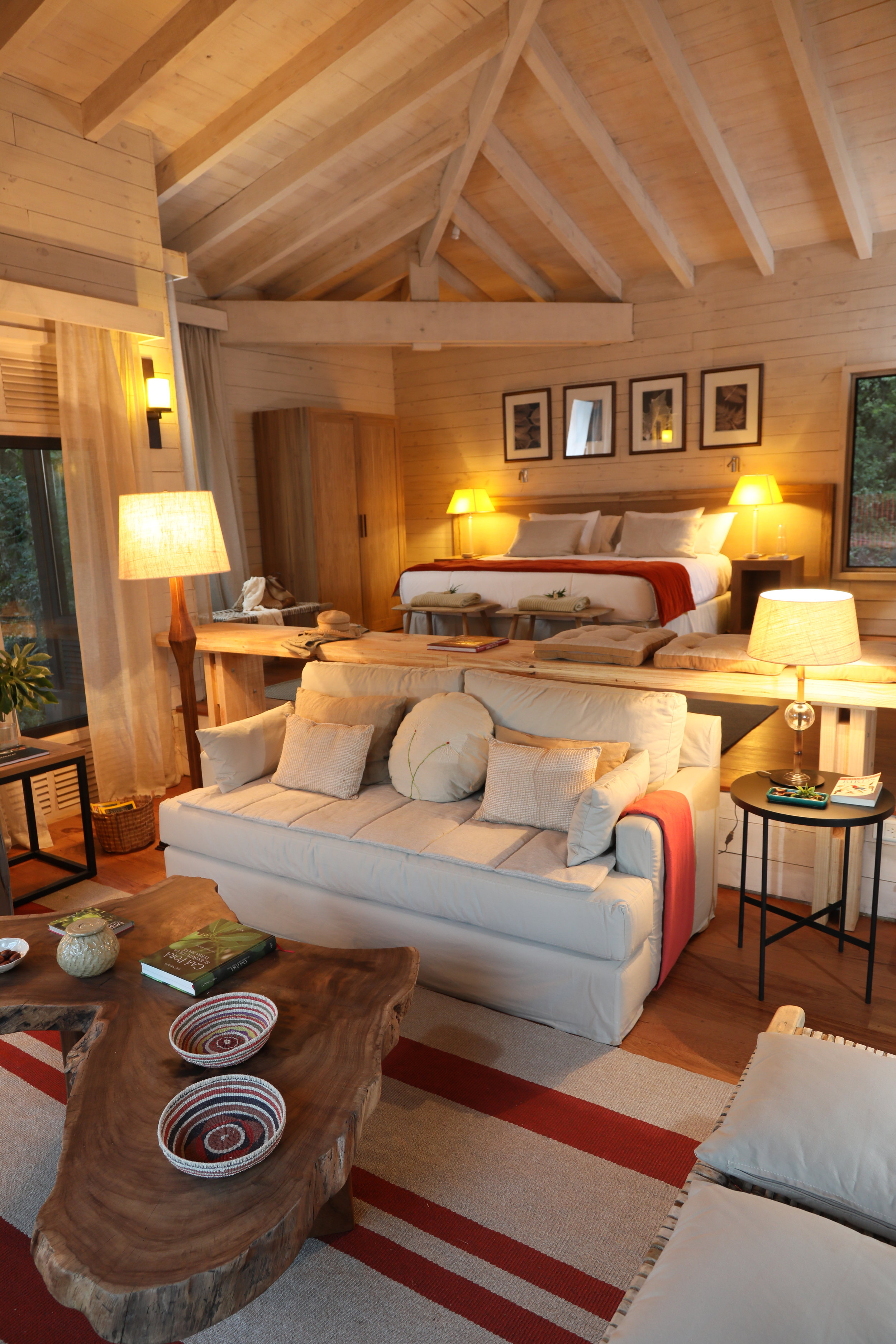
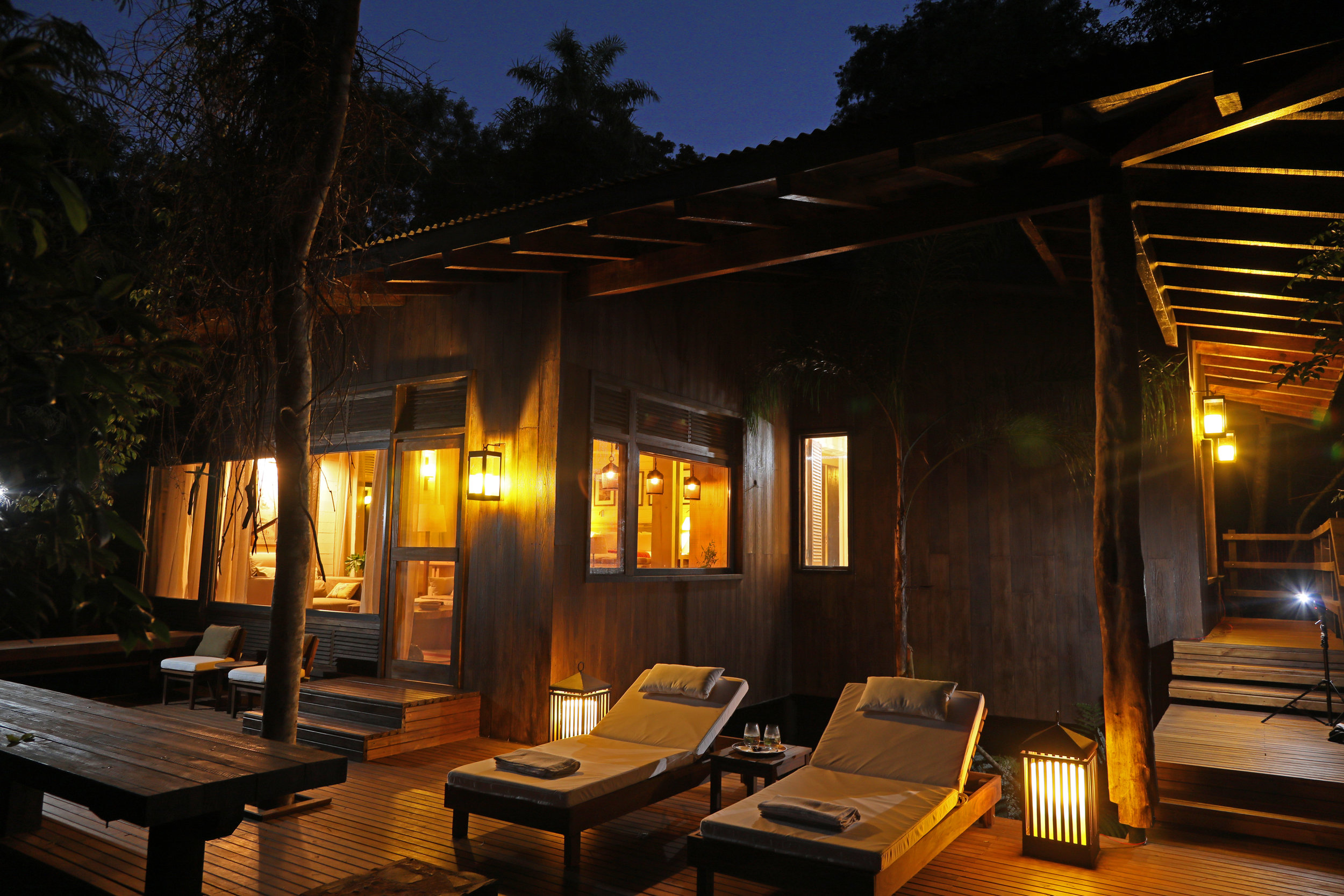
Below is a gallery of the first completed villa at Awasi Iguazu, already decorated internally. If you would like to download and use any of these images for promoting the property comercially, feel free to do so, here is a link to a dropbox gallery with all images yet available.
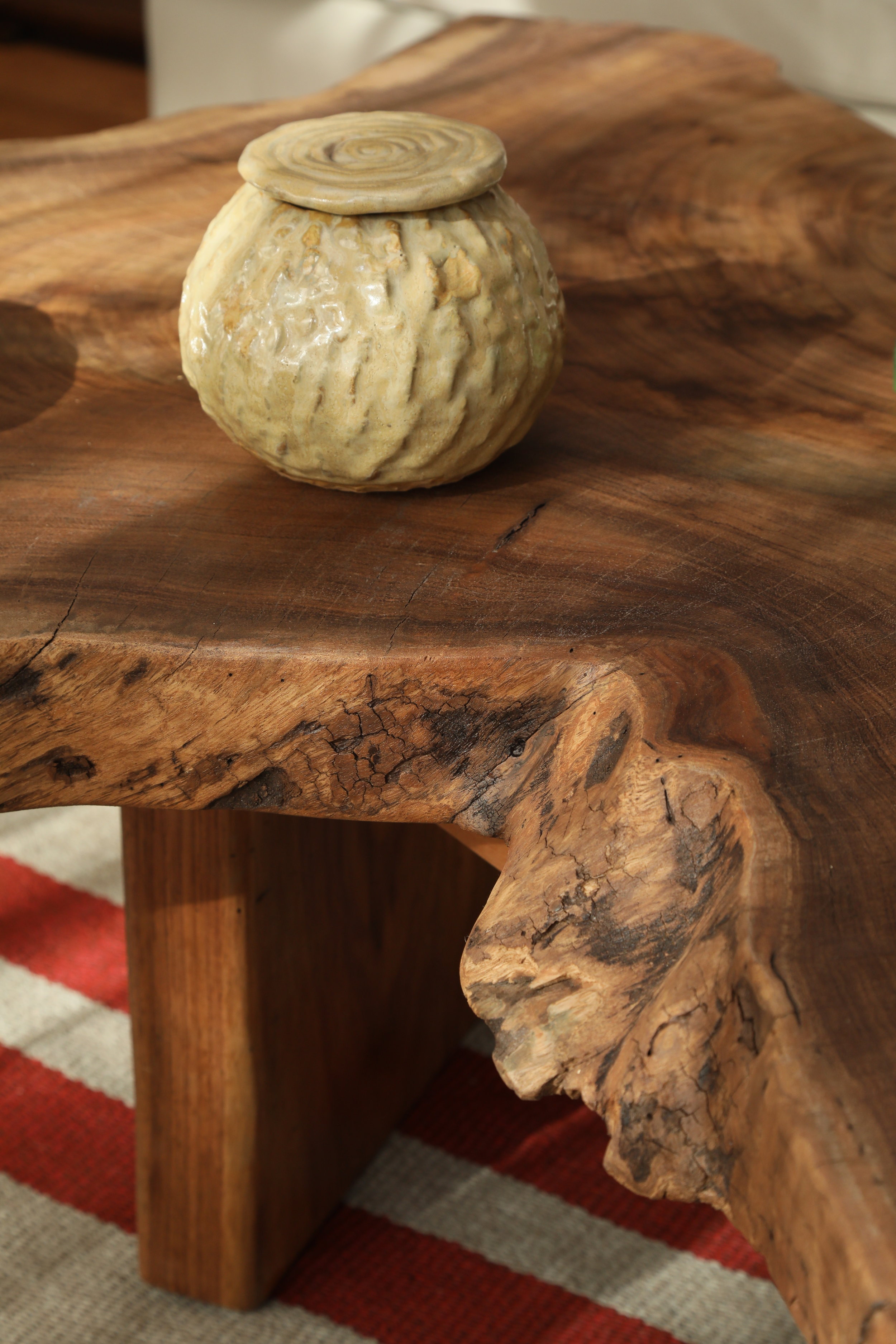
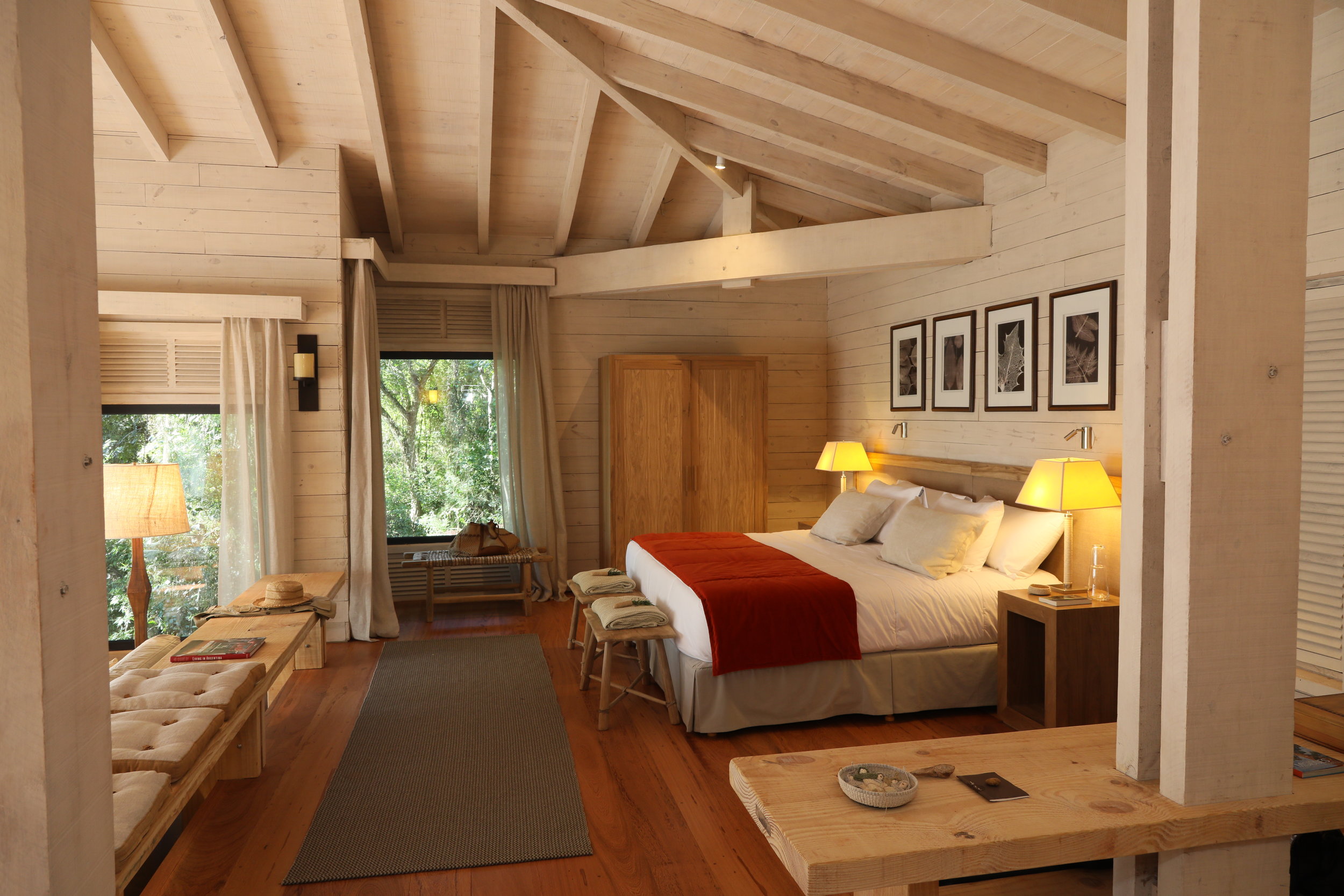
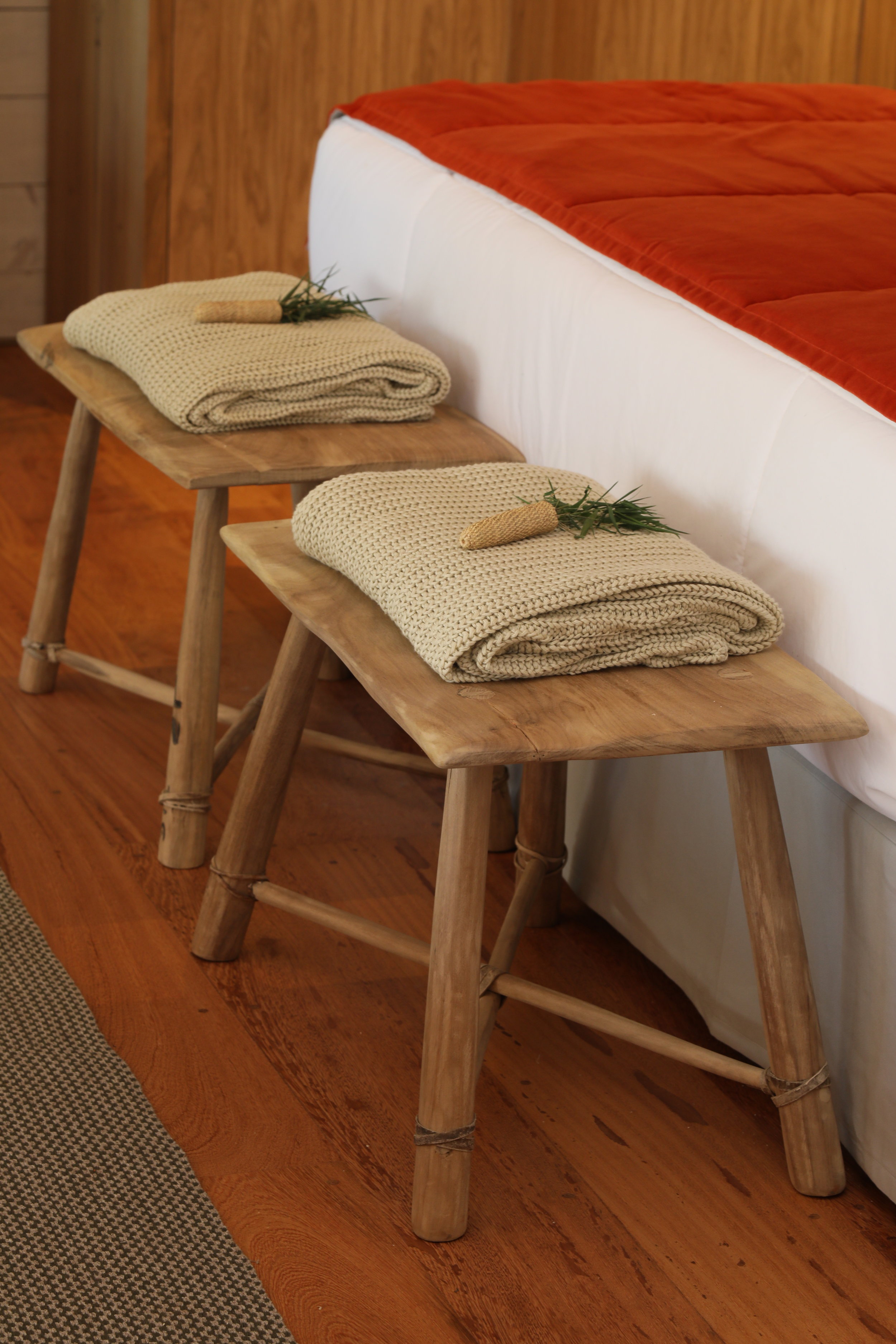
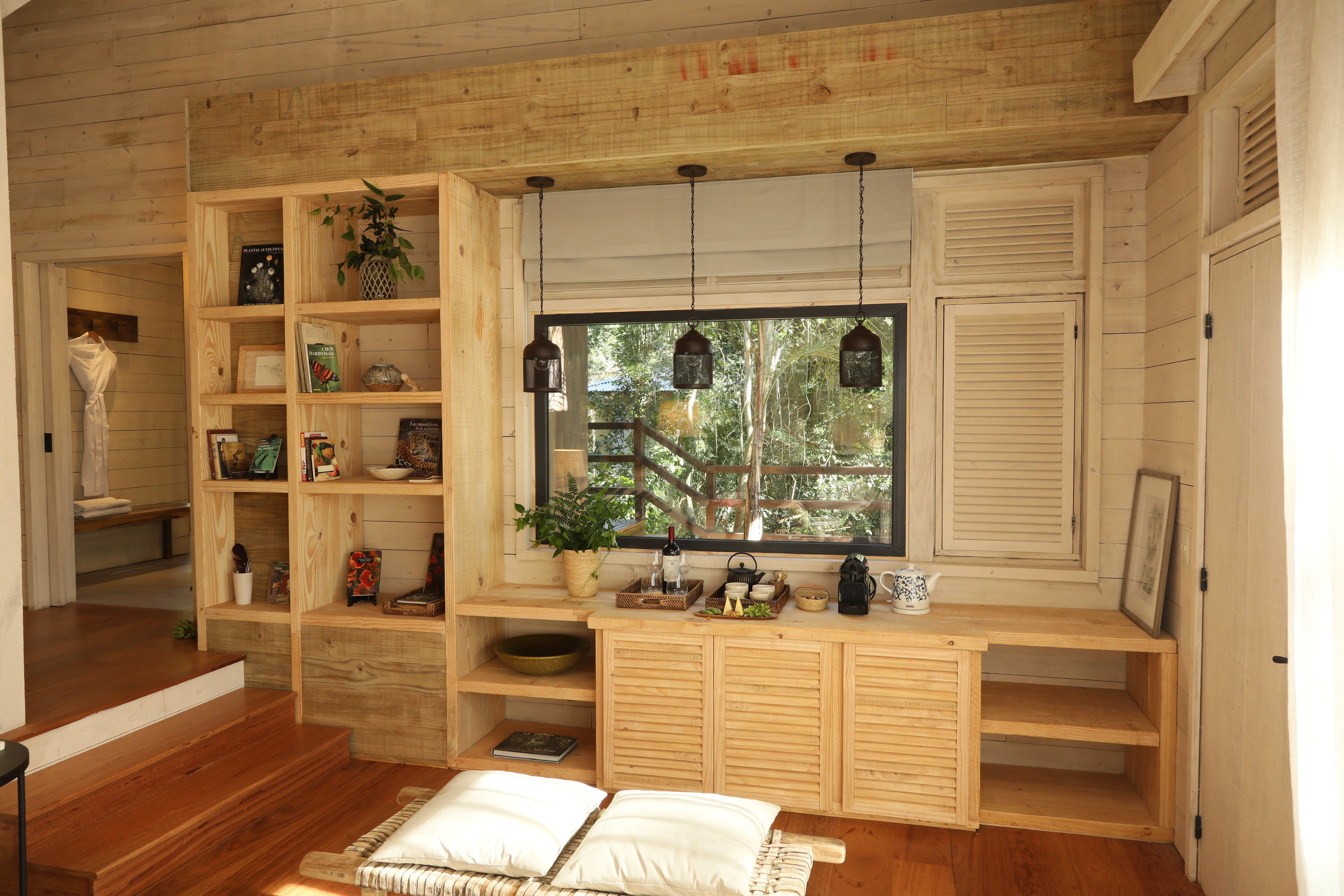
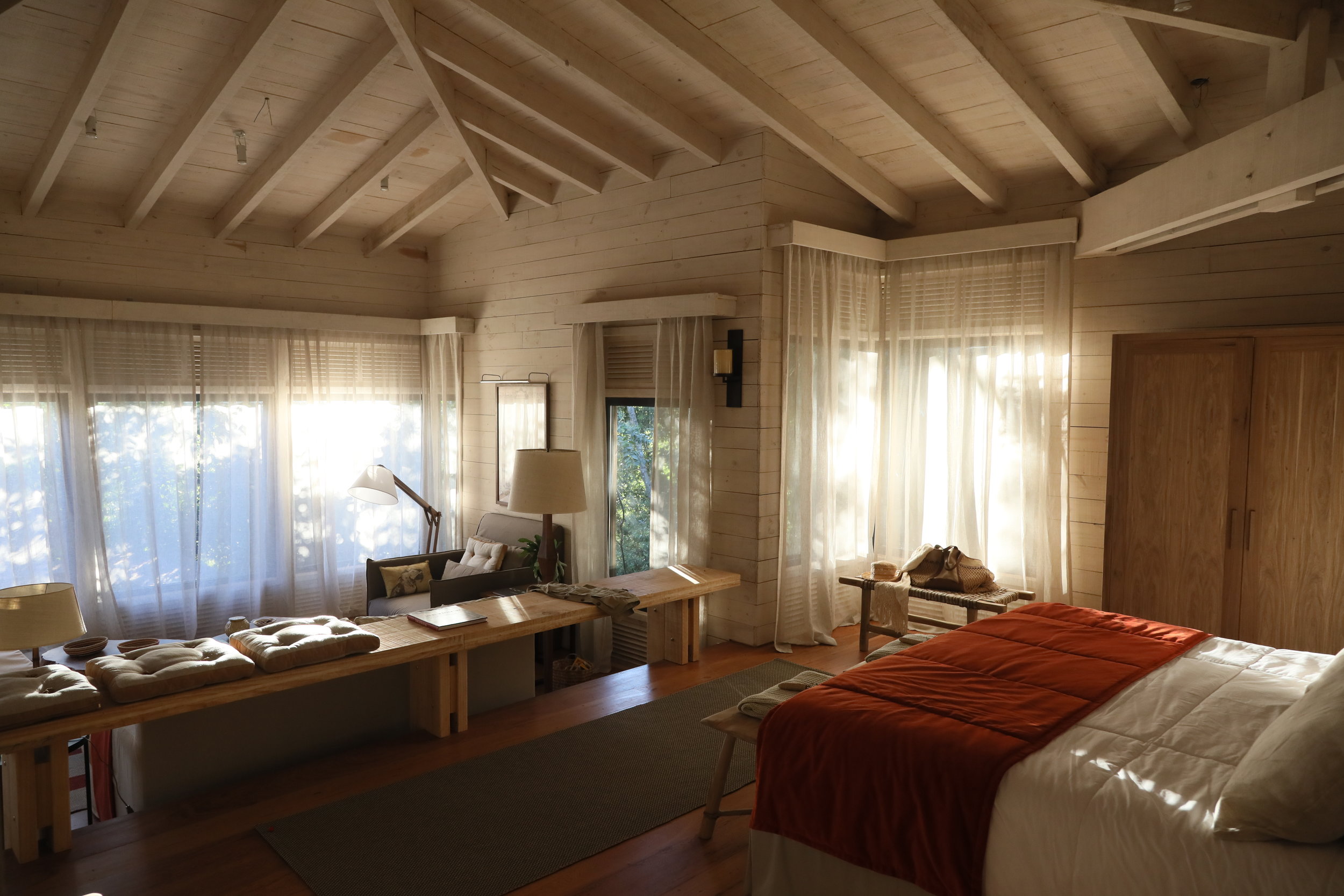
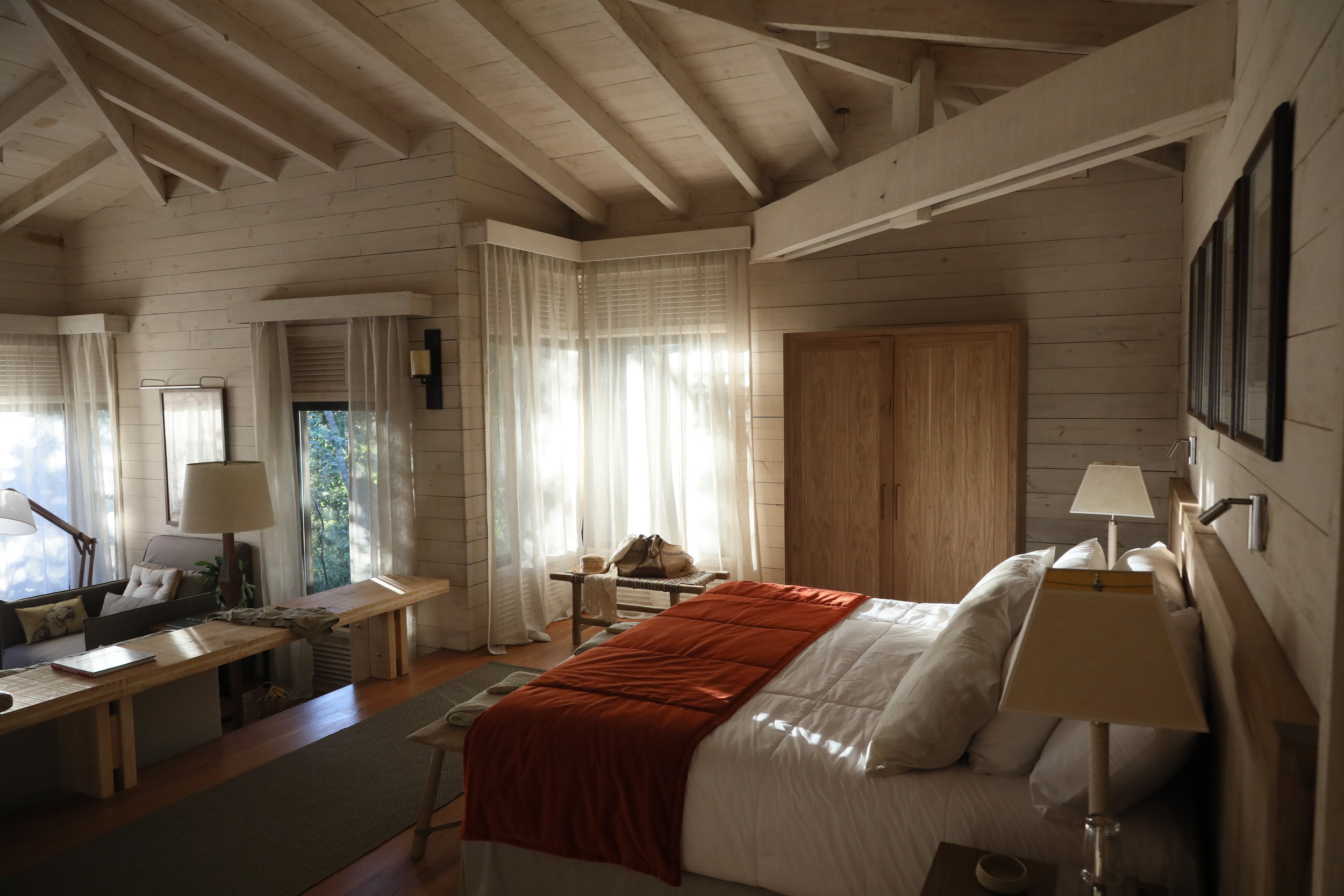
Opening Date and Reservations
Construction is in full swing and set to finish in November 2017. We hope to start providing "soft opening" bookings for stays in December by mid-July 2017. Ensure that you are signed up to our newsletter by clicking here to be one of the first to know when reservations are starting to take place. Rates are expected to be in-line with rates at Awasi Patagonia and Atacama.
Management
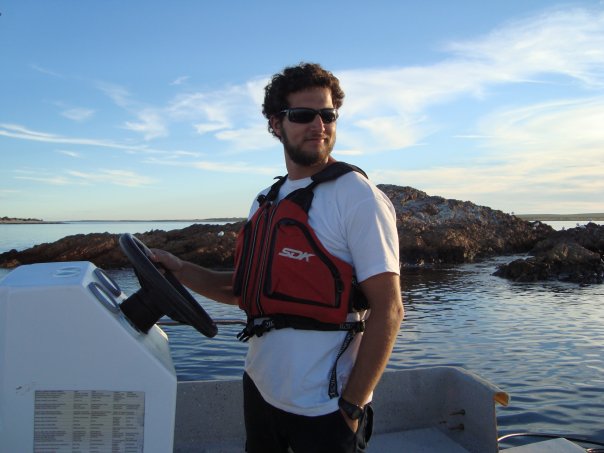
We are pleased to announce that Nicolas Di Costanzo has been appointed General Manager of Awasi Iguazu. Nicolas is well known and respected within the tourism industry and has a breadth of knowledge and experience in hotel management, sales and marketing, guiding as well as natural and cultural history. This wide ranging experiences, as well as his natural warmth and charm, make Nicolas a well rounded figure to lead the team at Awasi Iguazu. Nicolas previously managed Puerto Valle, in the Esteros de Ibera wetlands, and before that was a naturalist guide at Bahia Bustamante in Chubut Province, on the southern Atlantic coast of Argentina.
The Property
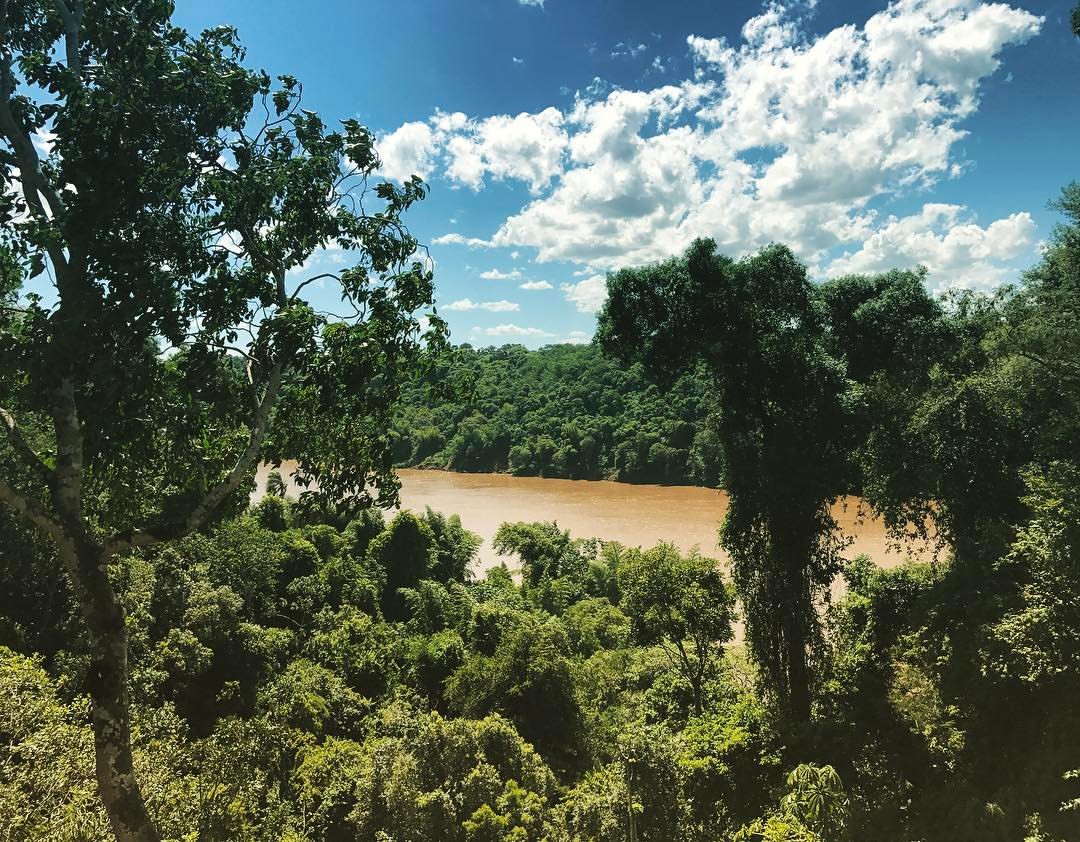
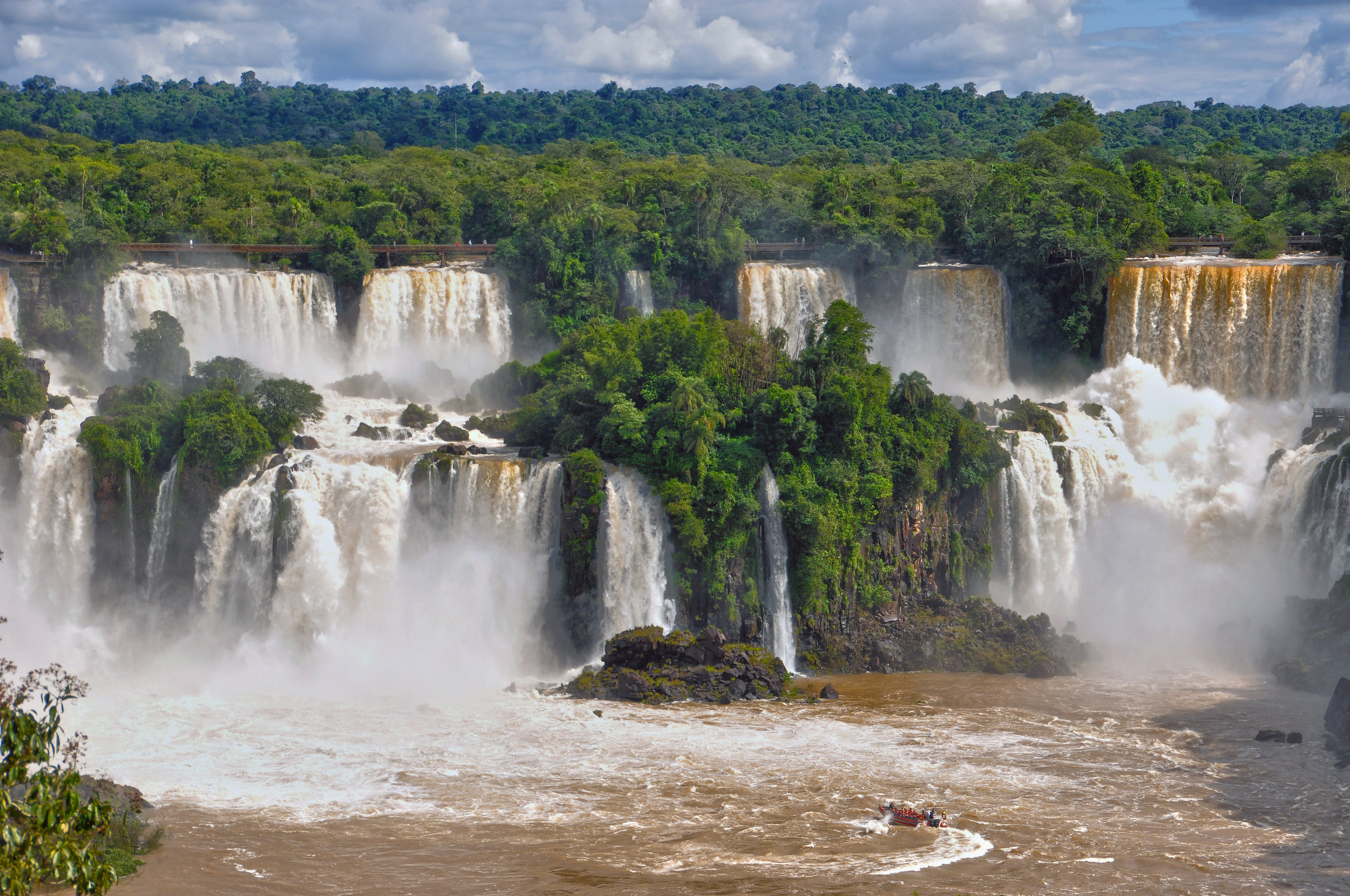
Similar in overall characteristics to Awasi Atacama and Patagonia, Awasi Iguazu will consist of a main lodge and then 14 private guest villas, built on stilts in the rainforest and separated from one another to provide intimacy and privacy. There will be 13 regular vilas and then one master villa with two rooms for families or couples travelling together. Unique at Awasi Iguazu, due to the tropical setting each villa will have it's own private plunge pool. The property sits along the Iguazu river just downstream of the falls, the image on the right is a view from one of the villas.
Excursions
Same as all other properties, each of the 14 villas will have it's own dedicated guide and 4x4 vehicle for excursion in the Iguazu area. Apart from the obvious excursion of visiting the falls themselves in private, we will offer around 13 other excursions set to capture the unique natural and cultural history of the area.
On the natural history side of things, Iguazu Falls sits at the southern extreme of what is called the Mata Atlantica, or Atlantic Forest. Prior to European arrival, this forest stretched untouched from Rio de Janiero down to past Iguazu falls and boasts some of the highest biodiversity on planet earth and a staggering level of endemic plant and animal species. Excursions with Awasi's trained naturalist guides will be by foot and 4x4 vehicle on land to explore this unique ecosystem and taking advantage of our riverfront location we will also do excursions by boat, exploring the many nooks and crannies of the Iguazu river where wildlife abounds.
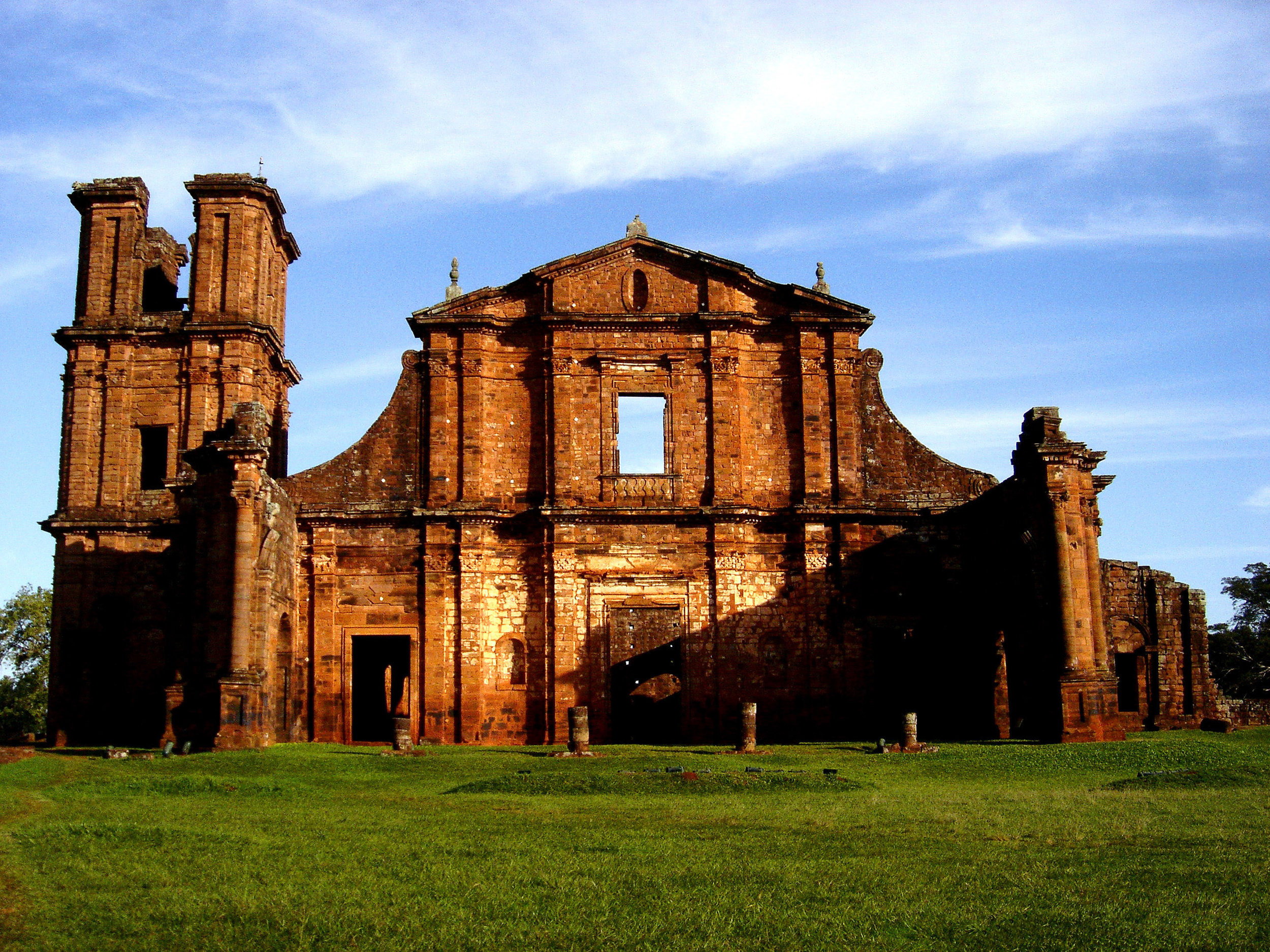
Less known about the Misiones Province, where Iguazu is located, is the incredible ethnic diversity that exists alongside an intriguing cultural history. Most famous is the arrival of the Jesuit order in the 17th century who established a string of missions in the area (from where the province gets its name) in order to christianize an Amerindian indigenous population of Guarani Tribes. Also, unlike the rest of Argentina which was settled by Europeans arriving to Buenos Aires, who were mainly and French and Italian, Misiones Province was settled by immigrants coming from Brazil that included Germans, Poles, Ukrainians, Swiss, Swedes and some Japanese and Arabs as well. So many of our excursions from Awasi Iguazu will aim to showcase the unique mixture of indigenous tribes, Jesuit missions and the cacophony of immigrant ethnic groups who populate this remote corner of Argentina.

How Young is Too Young for the Galapagos?
The Galapagos Islands are justifiably regarded as one of the best family travel destinations on the planet, and for good reason. For one, the unique wildlife treats human visitors with curiosity as opposed to fear, an unusual trait that captivates travelers of all ages and leads to eye-level encounters with blue-footed boobies and beach-bumming fur seals.
How Young is Too Young for the Galapagos?

The Galapagos Islands are justifiably regarded as one of the best family travel destinations on the planet, and for good reason. The unique wildlife treats human visitors with curiosity as opposed to fear, an unusual trait that captivates travelers of all ages and leads to eye-level encounters with blue-footed boobies and beach-bumming fur seals. Excellent naturalist guides help visitors explore the archipelago on hiking, snorkeling, kayaking and even mountain biking excursions, much to the delight of active children and teenagers. Tropical diseases such as malaria and yellow fever are not a concern on the Galapagos Islands, in Quito or in the Andean Highlands. The international flight between North America and Quito is relatively short, taking as few as four hours from Miami. And the weather, being Equatorial, is reliably sunny and warm for most of the year. Add in the fact that Ecuador operates on the USD, avoiding any exchange rate confusion, and the Galapagos Islands seem like a no-brainer as a great international destination to explore as a family.

A quick search of online forums discussing family travel to the Galapagos Islands reveals an often-repeated question of concerned parents, "Are my children too young for the Galapagos?" While opinions vary, I'm here to share that personally, I think the Galapagos Islands are an excellent destination for children of all ages, even little ones as young as two or three. The trick is in selecting the type of experience that is correct for your family and will maximize the enjoyment and amazement of all members.
There are two main ways to experience the Galapagos Islands, either by boat or by land, both of which offer age-related discounts for children or price reductions based on shared accommodations. Most boat-based explorations follow an itinerary of island-hopping and shore excursions over the course of one week. These itineraries are set in advance by the National Park and alternate (with some variation) between the northwest or southeast clusters of islands, plus a mandatory exploration of Santa Cruz Island and the Charles Darwin Research Station. Guests dine, sleep and relax on board and join guides on daily zodiac excursions to various islands that likely involve hiking, natural history, wildlife viewing and beach explorations. Snorkeling is almost always an option and some boats carry kayaks that can accommodate two adults or an adult and a child. Excursions, meals and onboard activities are all enjoyed as part of a group.
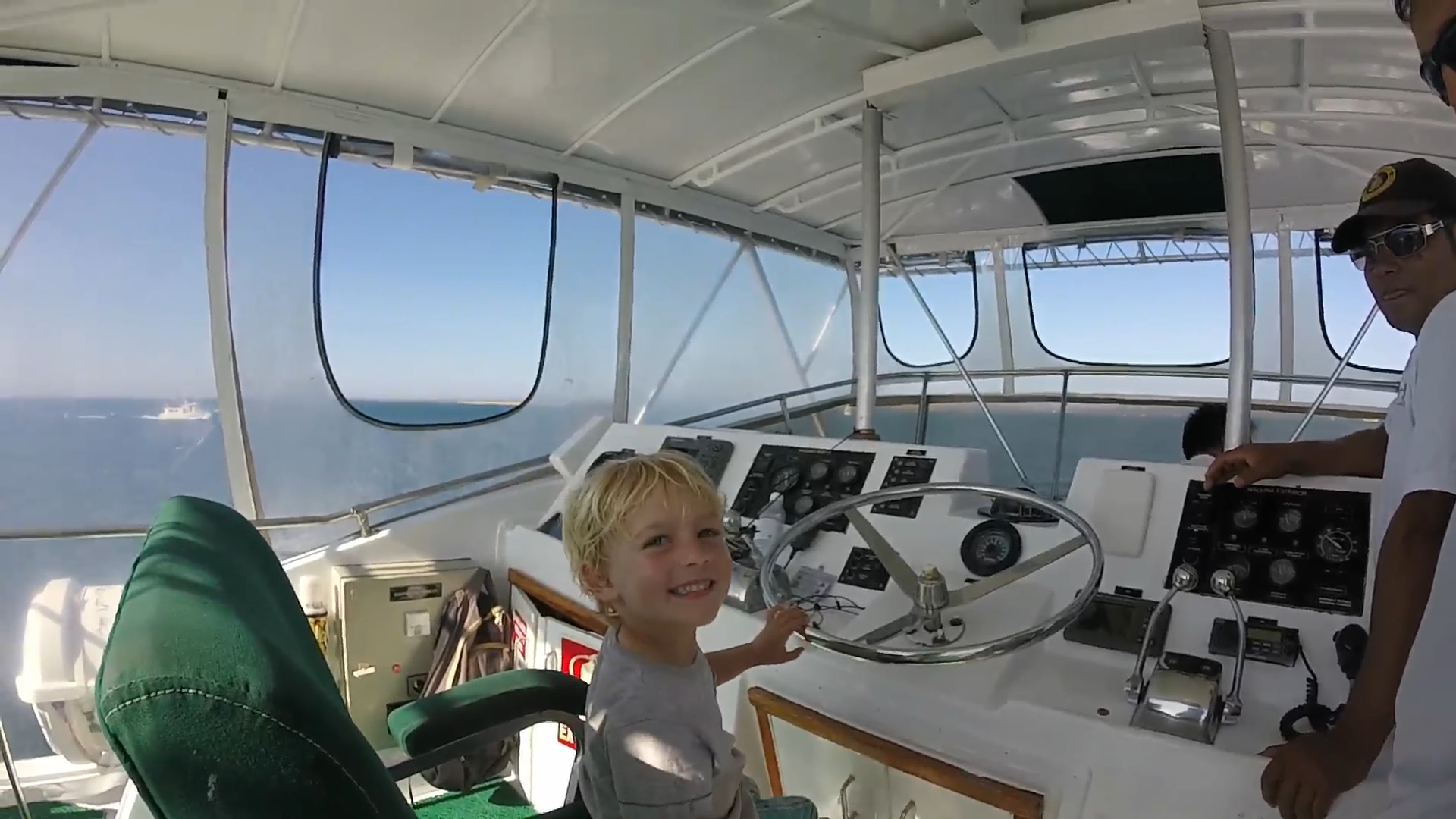
For families considering the boat option, make sure to check age restrictions imposed by the vessel. Many sailings have an age restriction of twelve or older. Family-specific sailings, scheduled to coincide with spring and winter school breaks as well as summer holidays, often have a much lower age-limit of seven or even younger, but it varies from boat to boat. Other considerations to keep in mind concern comfort with water and sensitivity to motion. Can your child swim and are they comfortable wading through knee-waist deep water? PFDs are provided onboard, for snorkeling and during zodiac travel, but comfort with water and some swimming experience would be essential for a child to fully enjoy a boat trip. Day trips to the islands often involve 'wet landings' which means that you must disembark the zodiac in the waves and wade to the beach. Parents can certainly carry younger children during this transition, but it is something to keep in mind when evaluating your vacation choices. Motion sickness is also something to consider; in general, the seas around the Galapagos Islands are fairly calm, especially from December-June, but boats anchored in calm seas can still bob and rock at night. Will this induce nausea or peaceful nighttime slumber? A parent knows best.

A land-based trip to the Galapagos Islands offers more flexibility than a boat and generally doesn't come with any age restrictions. While it is true that a land-based journey will take you to fewer individual islands than a boat-based journey, the diversity and quality of the wildlife viewing and excursions remains the same for all but the most avid birders. (And as this post is about traveling to the Galapagos with younger children, viewing the Waved Albatross on Hood Island is probably not high on the list of priorities.)
On a land or lodge-based experience in the Galapagos Islands, families can choose between active days of wildlife viewing and snorkeling and also enjoy down time at the lodge or on a beach, providing quiet moments for calm play or reflection after a stimulating day. Some lodges, such as the Galapagos Safari Camp in the highlands of Santa Cruz, even cater to families with specially designed itineraries that include a private guide who adapts the pace and activity level to suit the abilities and interests of your children. Day trips by small boat to explore surrounding uninhabited islands are included, but these are interspersed with time spent hiking around Santa Cruz, marveling at the gigantic, free-roaming inhabitants of the adjacent National Tortoise Reserve, spending a day with a local fisherman and snorkeling or kayaking in secluded bays around Santa Cruz. During school holidays, Galapagos Safari Camp also runs a special kids club that grants parents some afternoon alone time while children engage in a variety of creative activities led by lodge staff and guides.

For parents with young children, there is one important, key difference between a lodge-based and boat-based trip to the Galapagos which must be emphasized; on a boat, you are constantly among a group of other, unknown travelers. You eat together, explore together and outside of your stateroom, relax onboard together. Some travelers may view this as a great benefit but for parents with young children, constantly being among strangers without a place to escape to when a "time-out" is necessary can be a great source of anxiety. On a lodge-based trip, particularly when your family is being escorted by a private guide, parents can rest assured that they have the flexibility to accommodate sudden meltdowns and insert impromptu nap times and snack sessions whenever necessary.
I'm a parent to two young and very active boys, both of whom have been traveling internationally since their first year of life, given that their mother's family lives in Scotland. So both my wife and I know firsthand that traveling with young children can be challenging and sometimes stressful. I also concede that some destinations, like Patagonia, are best saved for when children are older and can tolerate longer drives and appreciate a 7+ mile hike. But I don't think that age should be a reason to NOT take children on an overseas trip to a destination that is really well suited to the young and curious. In fact, I think that international travel from a young age provides a great education and helps lay a foundation that allows youth to grow into better citizens of the world on the local and global level. Spending time with my young family in South America and elsewhere in the world has been one of the best experiences of my life. So don't buy into the idea that there is a certain requirement for exploring a place like the Galapagos Islands with young children. Be honest about the abilities and interests of your child and work with a knowledgable travel agent who knows the boat and land-based lodging options well and can design the perfect trip for your family at any age.
Enjoy the following video that I created from our family trip to the Galapagos Safari Camp.

A New Rural Retreat in the Sacred Valley
Anyone who has travelled to Peru in the past few years knows that the Sacred Valley (or Urubamba Valley) is exploding with development. In the agricultural paradise once known as 'breadbasket of the Inca Empire" there's now no shortage of choice for high end properties with beautiful rooms, great chefs and wonderful spas. So what makes Inkaterra Hacienda Urubamba unique among the other offerings?
A New Rural Retreat in the Sacred Valley
For over forty years Inkaterra has set the bar for providing guests with the most authentic, personalized and sustainable experiences in Peruvian hospitality. The newest property in the collection is no exception; since opening in mid 2015, Inkaterra Hacienda Urubamba has garnered numerous accolades. The lodge was named one of the Best New Hotels by Conde Nast Traveler in 2016, made Travel + Leisure’s “IT List 2016″ in the category of The Best New Hotels on The Planet and kicked off 2017 with a feature in Virtuoso's 'Best of the Best' directory as an exemplary property for 'Bringing a Destination to Life."
Anyone who has travelled to Peru in the past few years knows that the Sacred Valley (or Urubamba Valley) is exploding with development. In the agricultural paradise once known as 'breadbasket of the Inca Empire" there's now no shortage of choice for high end properties with beautiful rooms, great chefs and wonderful spas. So what makes Inkaterra Hacienda Urubamba unique among the other offerings?
Location, Location, Location: One does not escape the city for the countryside in the hopes of encountering the same. Instead of being located within or adjacent to a town bursting with tour busses or along the busy main road, Hacienda Urubamba offers travelers a true rural retreat, resplendent with peace, quiet and Andean vistas. Set away from road, between the towns of Urubamba and Calca, the lodge sits on 100 acres surrounded by imposing green mountains. Each room boasts a mountain view and the most disturbing sound you're likely to hear in the morning is birdsong.

Inkaterra property locations in Cusco, the Sacred Valley and outside of Machu Picchu
Honoring Traditional Agriculture: The ancient Incas were brilliant farmers, cultivating hundreds of varieties of potatoes and dozens of other vegetables in a seemingly inhospitable high altitude environment. Their techniques and wisdom are honored in Hacienda Urubamba's 10 acre organic plantation which is cultivated using traditional Andean methods such as hand tools and ox-pulled plows. Guests are invited to visit the farm to learn about medicinal plants and native food sources and are encouraged to harvest their own produce from the garden for an interactive farm-to-table dining experience!
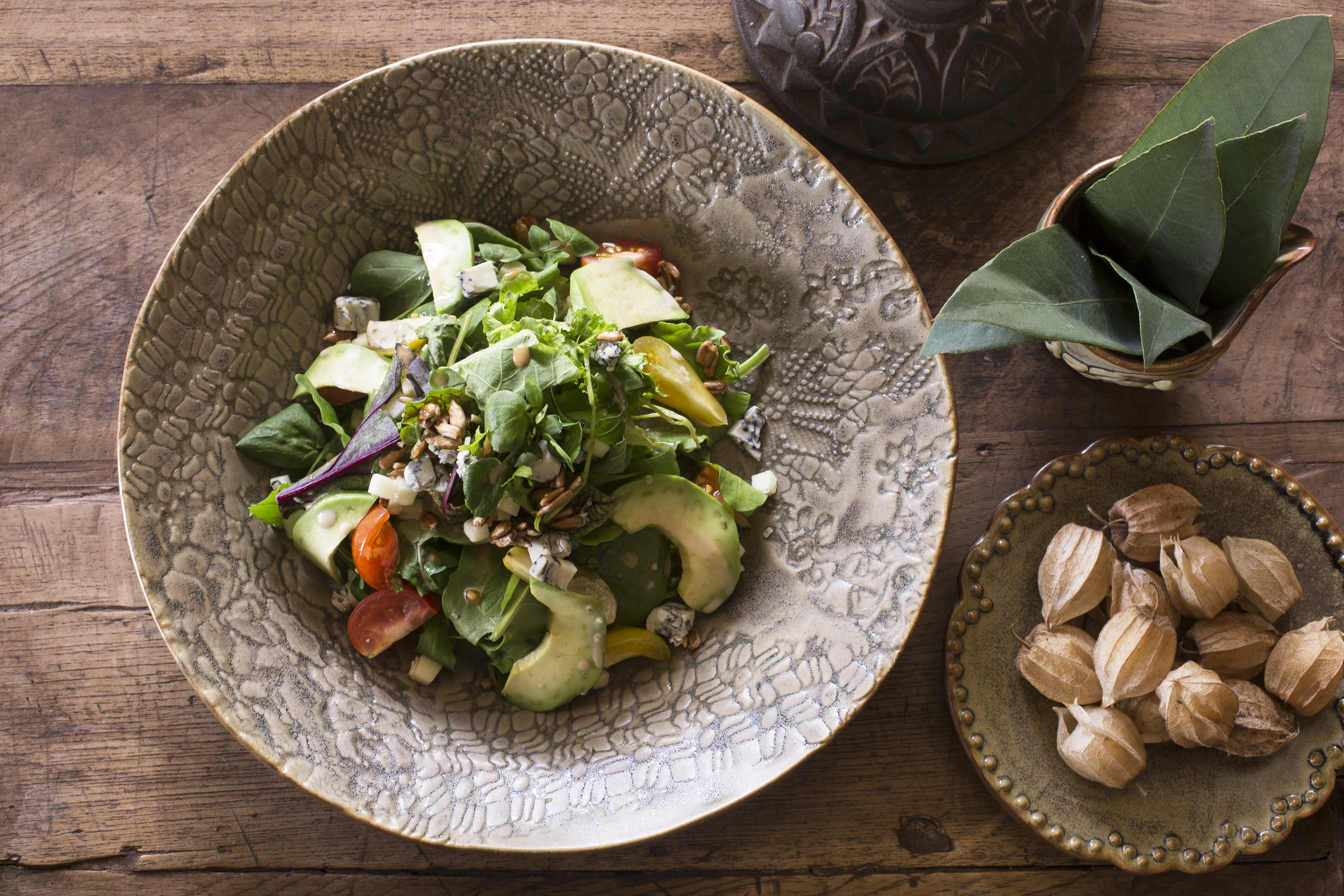
All meals served at Hacienda Urubamba highlight fresh produce straight from the organic farm
Connecting with Nature & Andean Culture: Like other properties in the Inkaterra portfolio, Hacienda Urubamba offers guests a variety of inclusive experiences to connect guests more closely with the surrounding environment and people. Learn to prepare the traditional Chicha de Jora beverage by harvesting, grinding, fermenting, and finally tasting your own Inca drink. Join an in-house guide to hike the property's trail in search of endemic birds or enjoy the sunset while learning about the importance of astronomy in the Andean world. These experiences are available daily and do not need to be arranged in advance. Guided excursions throughout the Sacred Valley and to Machu Picchu can also be arranged with the dedicated concierge staff for an additional cost.
Check out the video below to discover the magic of the Hacienda Urubamba for yourself!

Welcome to the Jungle... Traveling to the Peruvian Amazon
The Amazon Rainforest is intimidatingly massive. It covers 2.5 million square miles, houses approximately 16,000 different species of plants and spans most of South America, stretching across the borders of nine of the continents' thirteen nations. Peru offers travelers what is arguably the best Amazon experience in South America, particularly when it comes to viewing wildlife.
Welcome to the Jungle... Traveling to the Peruvian Amazon
The Amazon Rainforest is intimidatingly massive. It covers 2.5 million square miles, houses approximately 16,000 different species of plants and spans most of South America, stretching across the borders of nine of the continents' thirteen nations. Generally, Brazil is the first country that comes to mind when one envisions the Amazon; after all, the majority of the rainforest (approximately 60%) is found here, as is most of the Amazon River which transects the country. However, it is actually Peru, where the headwaters of the Amazon River form in the Andes, that offers travelers what is arguably the best Amazon experience in South America, particularly when it comes to viewing wildlife. Peru contains two distinct Amazon regions with excellent and varied wildlife viewing, offers a choice of logistics that range from short commercial flights to multi-day overland passages through numerous ecosystems, and has a wide range of accommodation options, including truly upscale and comfortable ecolodges that are less common in rainforest environs. A few days in the Amazon, particularly in the readily accessible southern Tambopata region, is an easy and recommended add-on to a Peru itinerary.

Where? Peru's Amazon rainforest makes up 60% of the country and can be divided into two major regions, the Upper (northern) and Lower (southern) Amazon. The Upper Amazon is generally accessed by Iquitos and is dominated by rivers and flooded forest, including the protected Pacaya - Samiria National Reserve, located 75 miles by river from Iquitos. There are a few lodges, but most exploration takes place via live aboard river boats that cruise the Amazon River, beginning and ending their itineraries in Iquitos.
The Lower Amazon materializes from the eastern flanks of Peru's southern Andes and contains the pristine wildlife sanctuaries of the Manu Biosphere Reserve and the Tambopata Candamo Reserved Zone. Manu is typically accessed from Cusco via an overland journey of several days through a myriad of ecosystems. Though arduous to reach, the wildlife density is unmatched; 1,000 birds have been identified in Manu, as have 15,000 different plants, 13 species of monkey and millions of insects. Unlike many rainforest regions, Manu has remained untouched by civilization, ensuring healthy populations of jaguar, tapir and the giant otter.

Peru's Northern and Southern Amazon Regions
Reaching the Tambopata Reserve & environs requires a flight to Puerto Maldonado (about 45 minutes from Cusco) and than a boat journey along the Madre del Dios and Tambopata Rivers. The boat journey generally takes place in a traditional dugout canoe (with outboard motor and sun shade) and can last from 30 minutes to 6 hours, depending on how deeply one ventures into this section of the rainforest. However, some of the best wildlife viewing often takes place while in transit by boat, especially at dusk and dawn when animals come to the river's edge to drink!
What to Expect? It's important to know that viewing wildlife in the Amazon is not like viewing wildlife on an African safari or on the Galapagos Islands; rainforest animals are well camouflaged and fearful of humans so observing them in the jungle requires patience, quiet and stillness. (Though that's not to say that the Amazon isn't a good choice for families! More on that below.) Traveling long distance by boat or vehicle is time consuming and sometimes less than extremely comfortable. Vaccinations and anti malarial medications are essential. Air conditioning and other resource-intensive amenities such as swimming pools are generally not available, even at luxury ecolodges. (Instead, lodges tend to be open to the forest on at least one side to allow the sounds and atmosphere of the surrounding jungle to penetrate the property. It's a wonderful experience to wake up at dawn and while still in bed be completely surrounded by the deep whoops of Howler monkeys echoing across the forest!) And though both Peru's Upper and Lower Amazon contain heavily protected rainforest preserves, the devastating effects of deforestation, mining and oil extraction are sadly encountered en route.
Oh but the brilliant, bold and beautiful things you will see! Poison dart frogs that glisten in jewel tones, troops of Squirrel monkeys that scamper across rooftops, palms with stilt 'legs' and legions of leaf-cutter ants, bearing their bright green burdens across the forest floor. Giant river otters, tapirs, peccaries, capybara, caiman and the elusive jaguar can be found throughout the Peruvian Amazon. In the North, the pink Amazon River dolphins attract the most attention while in the South, large clay licks attracting raucous bands of macaws and parrots of every color often steal the show. Excursions to view wildlife can be guided forest walks, boat trips along rivers and oxbow lakes and sometimes include ascending towers and walkways elevated above the forest canopy. Most excursions take place in the early morning or evening when wildlife is most active, leaving the middle of the day to read, relax or take a jungle siesta! Guides are often members of indigenous forest communities who possess ancient forest wisdom; some lodges work in partnership with local tribes to offer travelers a day of cultural exchange and immersion.
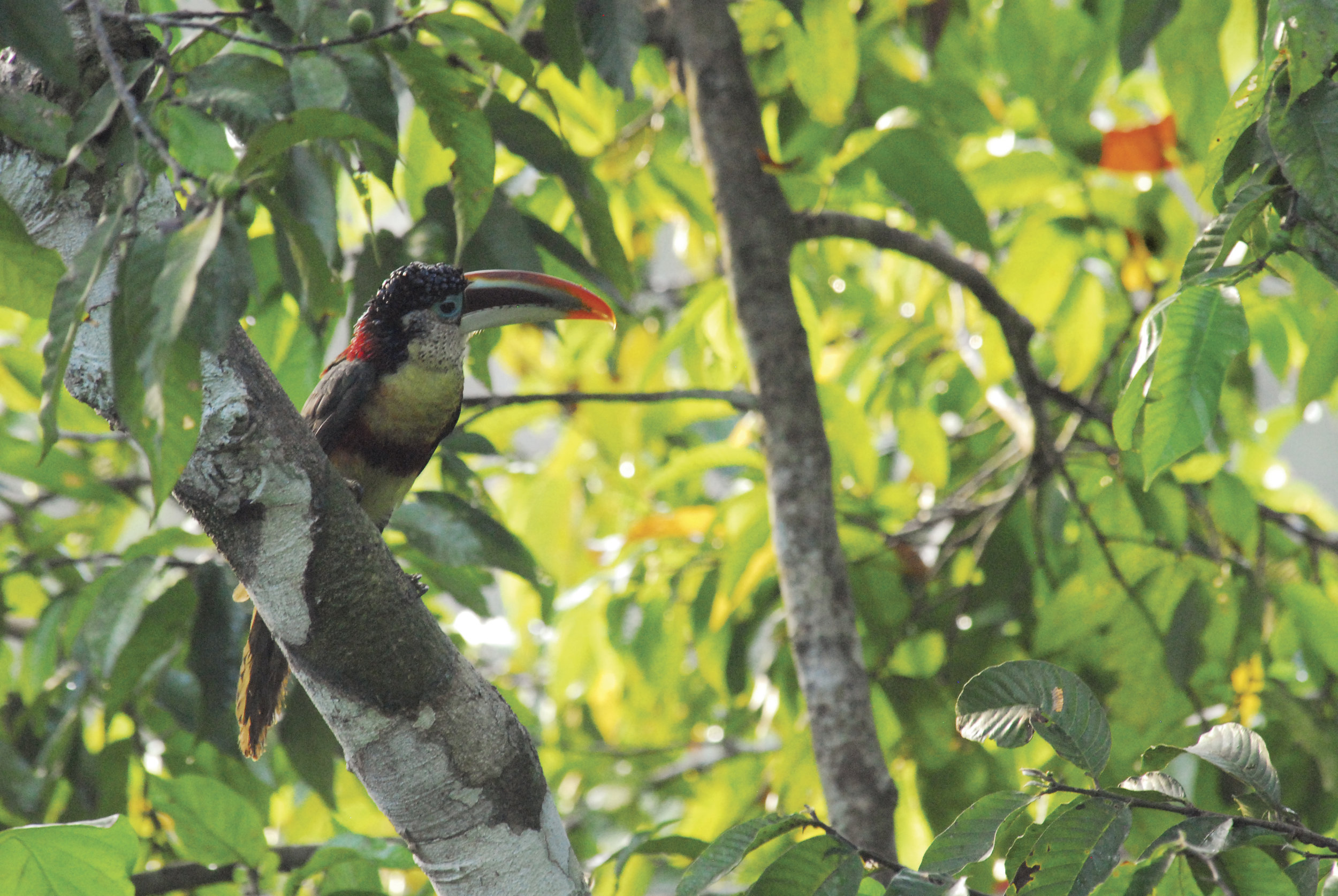
When to Go? In the Northern Amazon the year is divided into “high water” (December–May) and “low water” (June–November) seasons which dictate how you are likely to experience the Amazon (on foot or by water craft) and what species and behaviors you are more likely to observe. Despite the nomenclature, rain falls year round and the high water season only sees a 10% increase in rainfall over the low water season. During the high water season, the average temperature is 86°F. Flooded rivers create amazing panoramas and bring one closer to the canopy for more intimate observations of birds and monkeys that dwell in the tree tops. The low water season is a bit warmer. The average temperature is 98°F, more migratory birds may be spotted, flooded trails dry up to allow for forest hikes and hooking a piranha while fishing is almost a sure thing.
Peru's Southern Amazon region is far enough removed from equator that it has a somewhat cooler and drier climate to that of the North and more seasonal variation. The rainy season is from November through April when rain can continue for hours or occasionally even days. Around 80% of the annual rainfall occurs during this season. The dry season is from May through October when temperatures are typically in the 80s but can occasionally drop down to 50°F when a cold front moves through. There's a perception that diminishing water sources in the dry season help concentrate wildlife a bit more for viewing, but we've had excellent sightings year round.
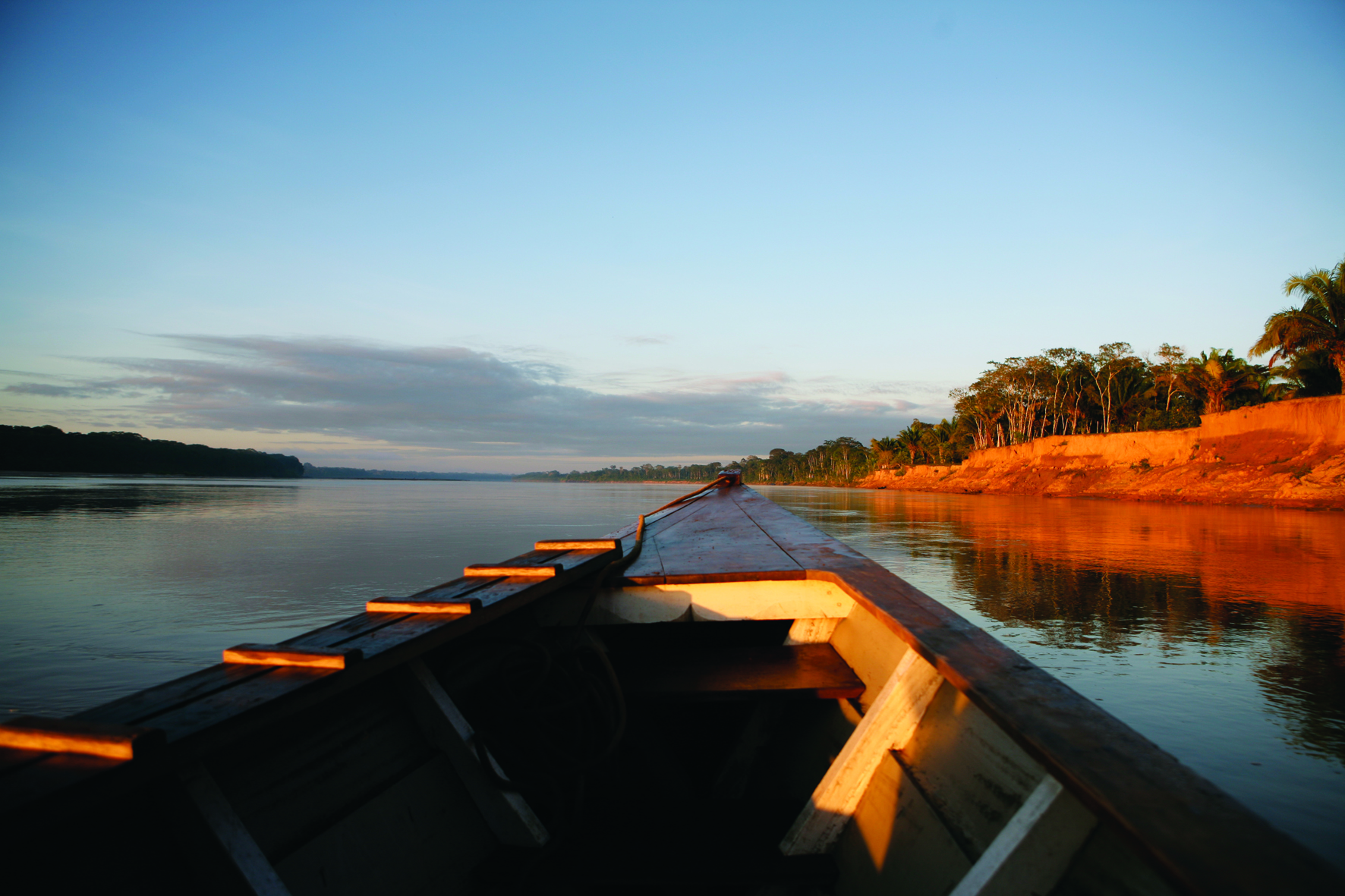
Why Go? Go to experience the most biodiverse ecosystem on the planet; to marvel at the vast medicinal applications and unique adaptations of rainforest flora; to walk through the canopy along a hanging bridge and stare out across a sea of vivid green. If you are a birder, go to tick an almost incomprehensible number of species off of your list in one visit. Go to experience what it is like to be lulled to sleep and then awakened by the sounds of the forest; to look up and see troops of monkeys feeding in the treetops rimming an oxbow lake; to feel the thrill of spotting a fresh jaguar print in the mud and know that he, though invisible, is most likely watching you. Go because the Amazon rainforest is an endangered species, and conservation-minded and responsible tourism offers it some measure of protection from going extinct.
Who is it For? Obviously birders, wildlife lovers and overall nature enthusiasts revel in the natural treasures of the Peruvian Amazon. The travel logistics to access certain regions and the pace of exploration do make some parts of Peru's Amazon better suited for adults. But the Amazon is also a great destination for families.
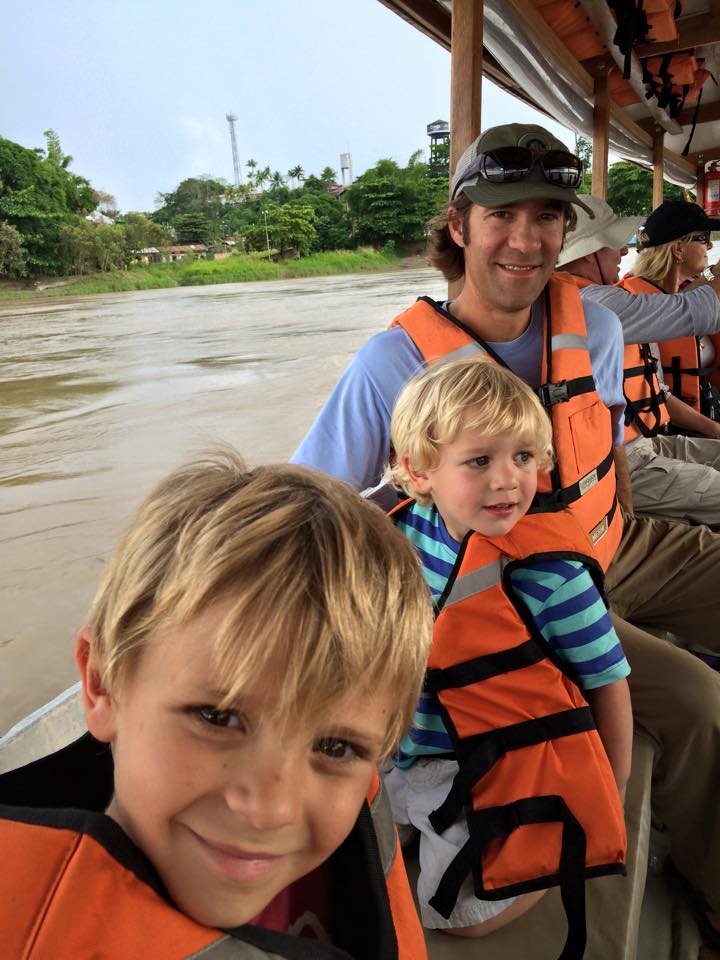
Exploring the Amazon with my family.
Inkaterra's Reserva Amazonica sits along the Southern Amazon's Madre del Dios river, just a 45 minute boat journey outside of Puerto Maldonado and close to the borders of the Tambopata Reserve. A luxury eco lodge, Reserva Amazonica boasts extremely comfortable private screened-in cabanas and offers a variety of guided jungle explorations designed for children as young as five. While the proximity to civilization makes spotting a jaguar unlikely, it isn't impossible, and excursions to wildlife rich Lago Sandoval (an oxbow lake with a resident family of river otters) and into the tree tops along the lodge's Canopy Walkway bring guests eye-to-eye with the rainforest's wild inhabitants.
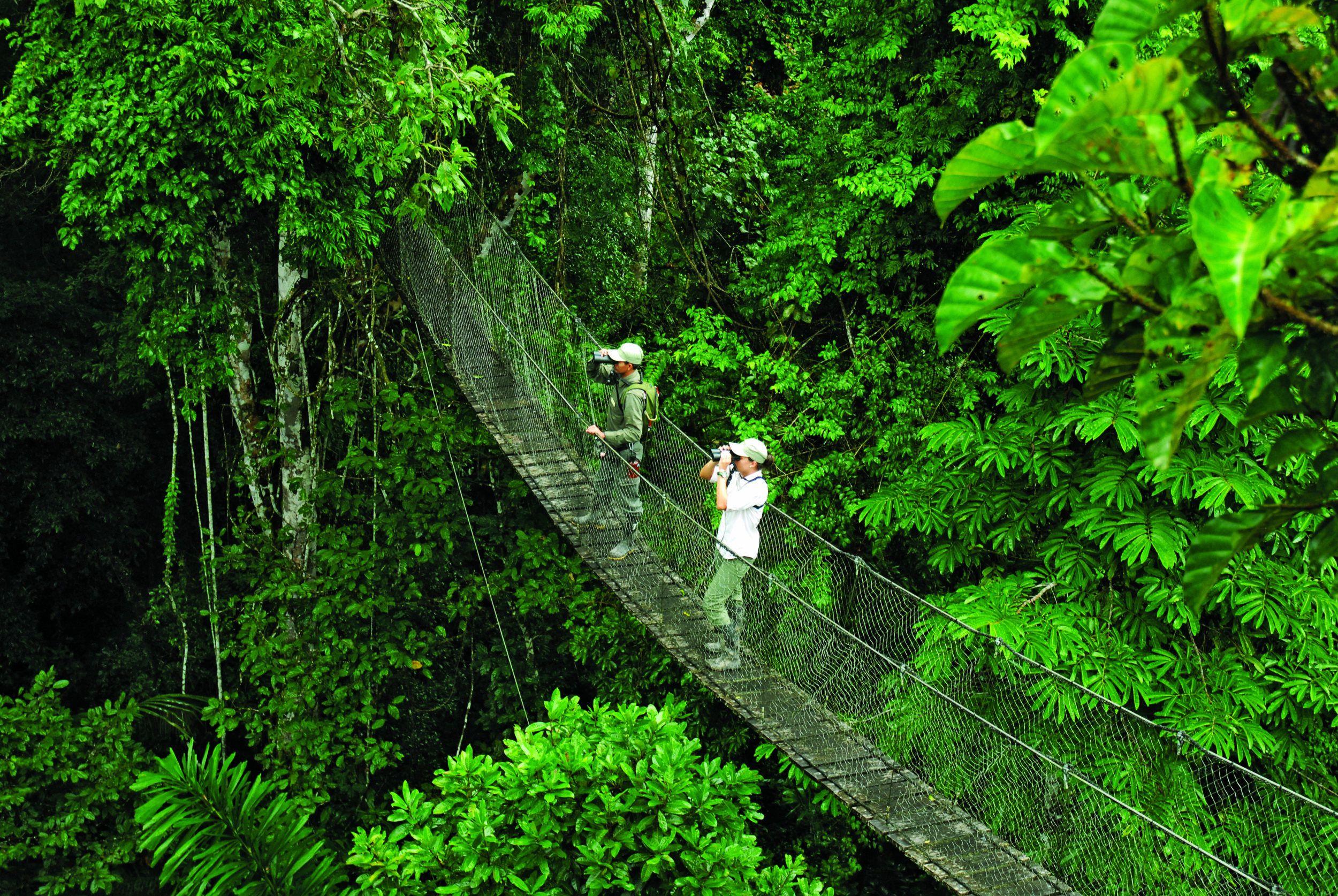
Reserva Amazonica's Canopy Walkway takes guests 100' above the rainforest floor

Titicaca..much more than a funny named lake.
Standing on the shoreline of Lake Titicaca in the brilliant morning sun, it’s the scale that overtakes your senses. Nestled amongst snowcapped 20,000-foot Andean peaks, the lake itself is a vast expanse of impossibly blue water. It measures a staggering 118 miles by 50 miles. With an average depth of 351 feet it is South America’s largest lake by volume, while also being one of its highest at 12,507 feet.
Titicaca...much more than a funny named lake.
Standing on the shoreline of Lake Titicaca in the brilliant morning sun, it’s the scale that overtakes your senses. Nestled amongst snowcapped, 20,000 foot Andean peaks, the lake itself is a vast expanse of impossibly blue water. It measures a staggering 118 miles by 50 miles—larger than the combined landmasses of Rhode Island and Connecticut. With an average depth of 351 feet it is South America’s largest lake by volume, while also being one of its highest at 12,507 feet.
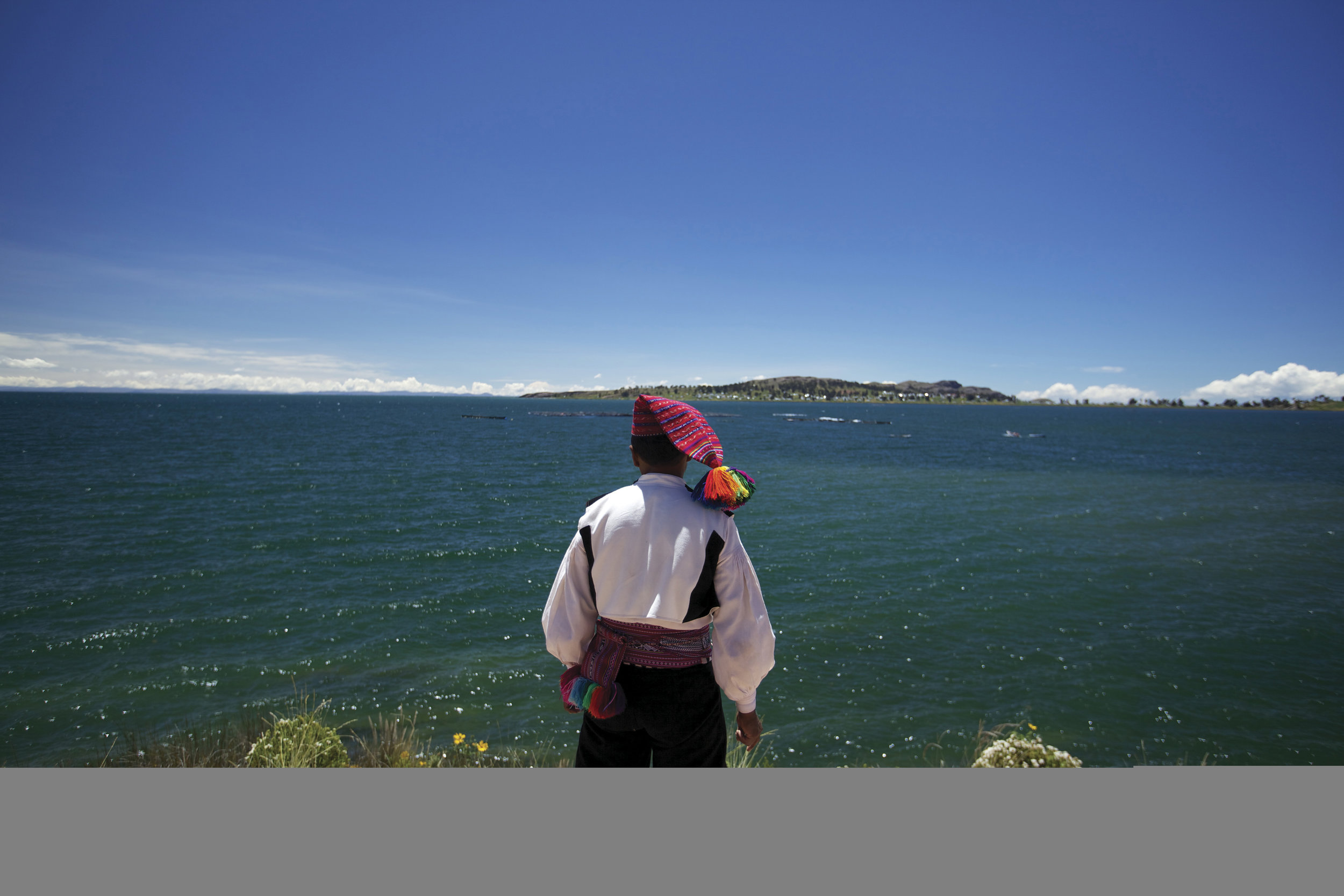
I’ve been traveling to the Peruvian side of Lake Titicaca for the better part of two decades and it is precisely the incomprehensibility of the place that keeps me coming back. The ever-unfolding visual feast is just the beginning; the lake’s remarkable dimensions are rivaled only by the depth and breadth of its cultural significance in the expansive history of the Andean peoples.
Pre-Incan/Pan Andean
Justifiably, when most people think of Peru, they immediately think “Machu Picchu.” I get it; it’s a breathtaking, bucket list-worthy destination, but it’s also the tip of the iceberg. That’s because, in the grand scheme of pre-Columbian history, the Incan Empire was itself a brief but brilliant flash in the pan. Built just a few years after the beginning of the culture’s scant, 100-year reign, Machu Picchu was a Hamptons-esque estate built for the ruling elite just outside the capital city, Cuzco.
Titicaca, by contrast, is where it all began for the Incas. It’s the setting for their origin myth; the creator god Viracocha emerged from the lake’s depths, commanded the sun, moon and stars to rise and then wrought the first human man and woman from stone. The Incans also believed their souls would return to the lake’s sapphire depths to rest for all eternity.
The human history of the area began eons and eons before the reign of the Incas, though. Archeologist estimate that it was first settled sometime between 10,000 and 8,000 B.C.E., making it quite literally a cradle of civilization on the South American continent.
The cultural landscape we see at the lake today is incredibly complex precisely because it has been slowly unfolding for millennia. As with all human stories, the plot hits the big beats (enough conquest, subjugation, alliances and upheaval in quantities to make Game of Thrones look like a children’s book). However, what’s really remarkable about Titicaca is the way in which extreme diversity manifests in such close proximity.




Islands Apart
Ask anyone who has visited Titicaca for highlights and inevitably the Uros are at the top of the list—and for good reason. The otherworldly network of roughly 40 floating islands are made entirely of the native totora reeds, which grow in abundance on the shores of the lake.
The more than 2,000 members of the Uru ethnic group who live on the islands are culturally distinct but speak Aymara, the language of the predominant mainland people. Both cultures preceded the Incas, and despite having been conquered by the empire, retained elements of their (somewhat) shared identities.
By contrast, the inhabitants of nearby Taquile Island still live by the traditional Incan moral code: ama sua, ama llulla, ama qhilla ("do not steal, do not lie, do not be lazy") and to this day speak Quechua, the official language of the Incan empire.
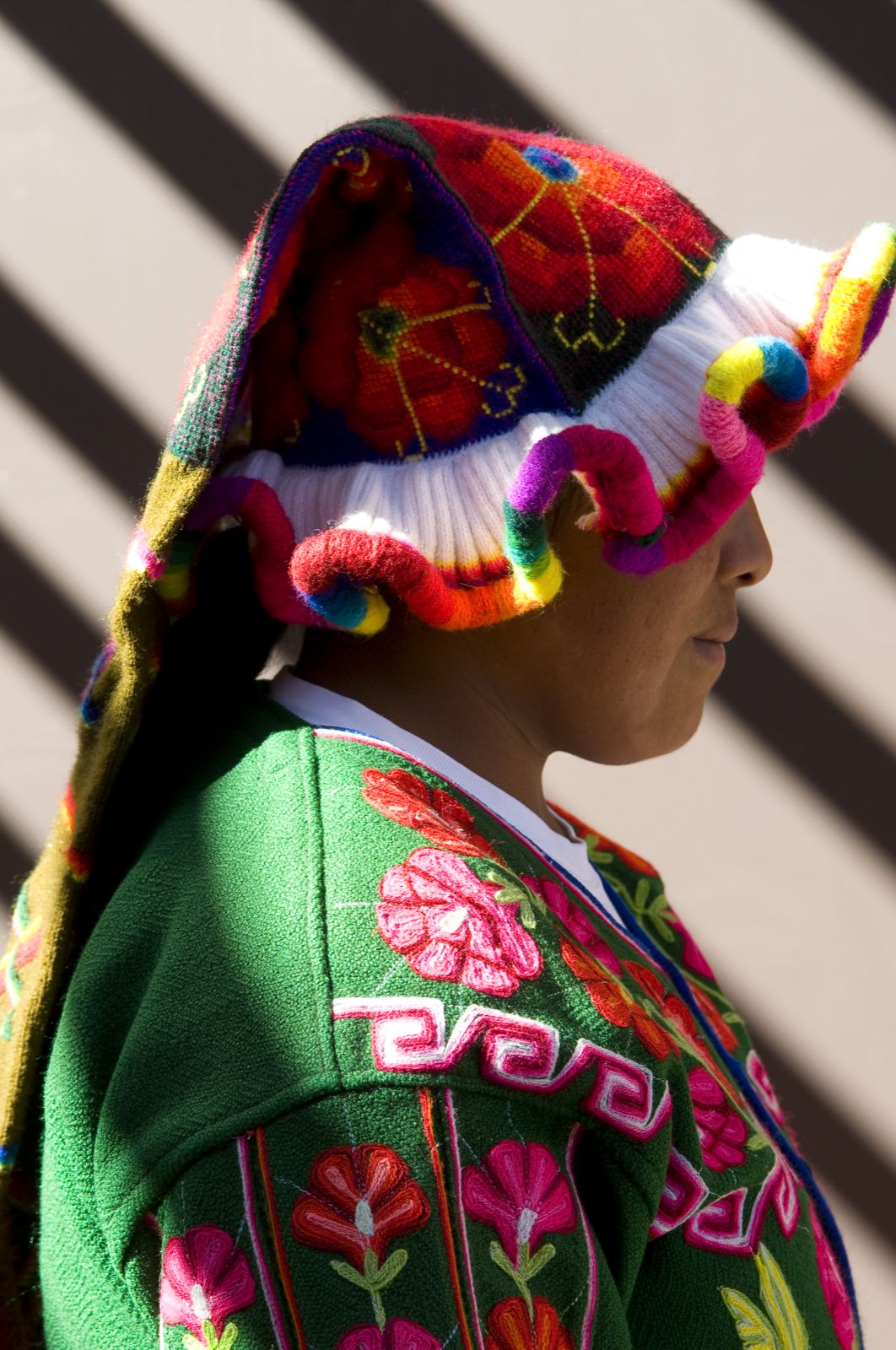
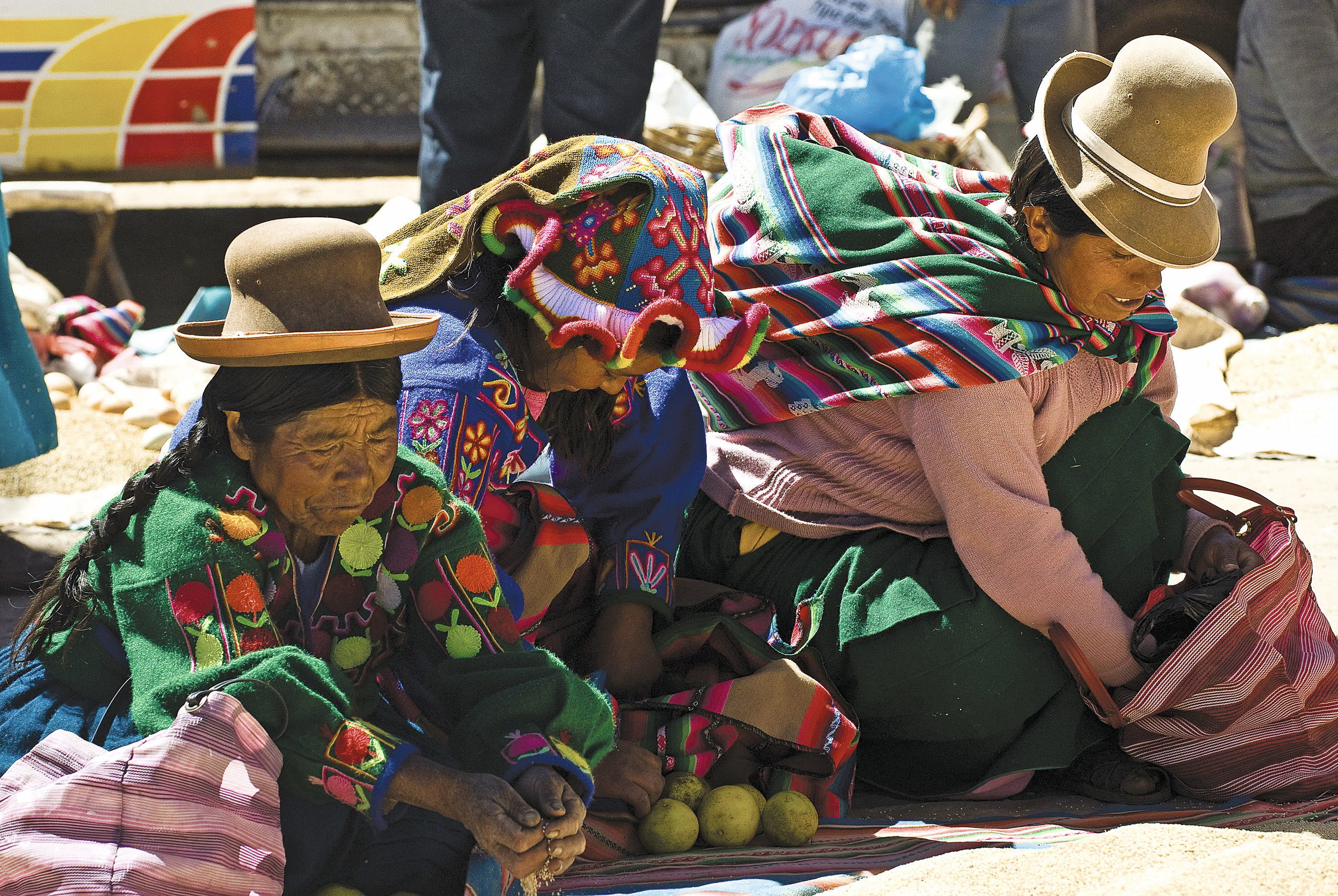
Linguistically, Quechua and Aymara are not even in the same family. This means that people who are essentially neighbors literally cannot understand each other—and haven’t been able to for thousands of years. As a result, occasions for interaction, local markets for example such as the one in Acora, are rarely dull affairs. In an explosion of colorful, dramatically different traditional dress, vendors hawking colorful, dramatically different goods pantomime their way through transactions with patrons. It’s exciting, entertaining and wildly inefficient, but everybody’s just kind of OK with that.
Opposites Interact
In a place where so many cultures have intersected, embracing difference rather than subsuming it is key to keeping the peace. In fact, you could say that duality is the rule, not the exception here. This is a fundamental concept in Andean cosmology—Ayni—which relates to the need for a balance of opposites in the universe.
In order to experience the living embodiment of Ayni, it’s necessary only to travel a short distance from Taquile to Amantani. The boat ride, less than a mile, can feel like a passage through a portal into an inverse universe where everything is suddenly the opposite.
The islanders share a common language and Incan heritage, but Taquile is a patriarchy, Amantani a matriarchy. On the former, men govern the community and head families. They also knit clothing and textiles recognized by UNESCO for their quality and cultural importance, leaving virtually all other work on the island to the women. On Amantani, that dynamic is flipped: women make the decisions and manage the day-to-day governance of the island while men labor in the fields. The inconsistencies, it seems, are necessary in the grand scheme of the Andean universe. Without one, there could be no other.
When someone asks me for my favorite destinations around the world, Peru will always be at the top of the list. If they want details and recommendations, my stock answer is “Don’t skip Titicaca!” Machu Picchu is a given—as it should be—but to travel so far and not have the magical experience of standing at the edge of the lake on a crystal clear morning, would be to truly miss out. And if they ask, “Either/or?” I can only honestly reply, “Both.”
To experience Lake Titicaca in the most immersive way, consider staying at Titilaka, a luxury lodge on a private peninsula that provides guests with daily excursions to the local communities. www.titilaka.pe