

Summer Trips that Transform - Experience the Cacao Harvest at Hacienda Bambusa, Armenia, Colombia
While Hacienda Bambusa may be located in the heart of Colombia’s Coffee Triangle, the owners are truly passionate about cultivating cacao to produce fine, artisanal chocolates. Cacao is harvested in two seasons, and the main harvest occurs from April to June and guests staying over these dates have the opportunity to get in on the action.
Experience the Cacao Harvest at Hacienda Bambusa, Armenia, Colombia
Great For: Great For: Foodies, Families, The Culturally Curious, Adventure Seekers

While Hacienda Bambusa may be located in the heart of Colombia’s Coffee Triangle, the owners are truly passionate about cultivating cacao to produce fine, artisanal chocolates. Cacao is harvested in two seasons, and the main harvest occurs from April to June and guests staying over these dates have the opportunity to get in on the action.
Together with Bambusa’s Chef, explore the hacienda's cacao fields to harvest pods while will be used to make your own hot chocolate. Experience the step by step process that goes into making a cup of hot chocolate; obtain and dry the cocoa seed, grind your own cocoa, and prepareg a delicious cup of chocolate to enjoy with fresh farm cheese or with an arepa. The bitterness of the chocolate drink might surprise you, and highlights how much extra sugar and cocoa butter goes into the sweet mass-produced chocolates more commonly found in grocery stores!

Experiencing the cacao harvest is just one facet of a stay at Hacienda Bambusa; guests can also explore colorful Salento, hike through the wax palms of the stunning Cocora Valley, explore the surrounding countryside on horseback and of course visit a coffee plantation. From April 17th-June 30th, enjoy a 25% discount on the “Highlights of Bambusa” package (half board + a welcome hike of the property) and add-on the Cacao Experience.


Summer Trips that Transform - Get Comfortable in the Saddle at Hacienda Zuleta
The quality of Zuleta’s horses and the expertise of their local riding guides and cowboys is reflected in the yearly return of guests for whom a week of riding through the Andes above Hacienda Zuleta is an annual experience. But you don’t have to be an equestrian expert to experience the 4,000 acre historical working farm and surrounding countryside on horseback.
Get Comfortable in the Saddle at Hacienda Zuleta
Great For: Families, Active Travelers, Honeymooners, Equestrian Enthusiasts
The quality of Zuleta’s horses and the expertise of their local riding guides and cowboys is reflected in the yearly return of guests for whom a week of riding through the Andes above Hacienda Zuleta is an annual experience. But you don’t have to be an equestrian expert to experience the 4,000 acre historical working farm and surrounding countryside on horseback. With a herd of nearly 100 horses, the Hacienda is known for its beautiful Zuleteño horses - a unique mixture between the Spanish-Andalusian, Thoroughbred and American Quarter horse. The outcome of this crossbreeding is a robust and noble Andean horse with the perfect disposition for trail-riding.

If a riding vacation is of interest, be sure to read through the detailed description of “Horseback Riding Excursions” Within you will find dozens of options ranging from short intro rides around the immediate property to half and full days rides which take more advanced riders to remote panorama points overlooking the snowy Andean mountains. Particularly fun for families (and accessible to children as young as 6) is the early morning “La Manada” in which participants assist the Hacienda cowboys in moving the herd from their overnight pasture to the hacienda, returning to Zuleta’s grounds among the thundering of hundreds of hooves!

Horseback riding at Hacienda Zuleta is an additional cost, but their sales team is happy to create a custom package with flexible options for your guests. Longer stays are eligible for additional discounts and value - Book 3 nights and get 1 short ride free of cost. Stays of 4 - 5 nights receive a 5% discount. Stays of 6+ nights receive a 10% discount.


Summer Trips that Transform - Learn the Art of Naturalist Guiding at Lapa Rios Ecolodge
Is your ultimate dream to identify wildlife with the soothing accuracy of David Attenborough? Whether you are a budding biologist, a hardcore nature enthusiast or a wannabe birder, the guiding pros at Lapa Rios can take your identification and interpretation skills to the next level with their 5-night Lapa Rios Guide School, available in May, June and August of 2018.
Learn the Art of Naturalist Guiding at Lapa Rios Ecolodge
Great For: Nature Lovers, Educational Travel, Aspiring Guides, Birders
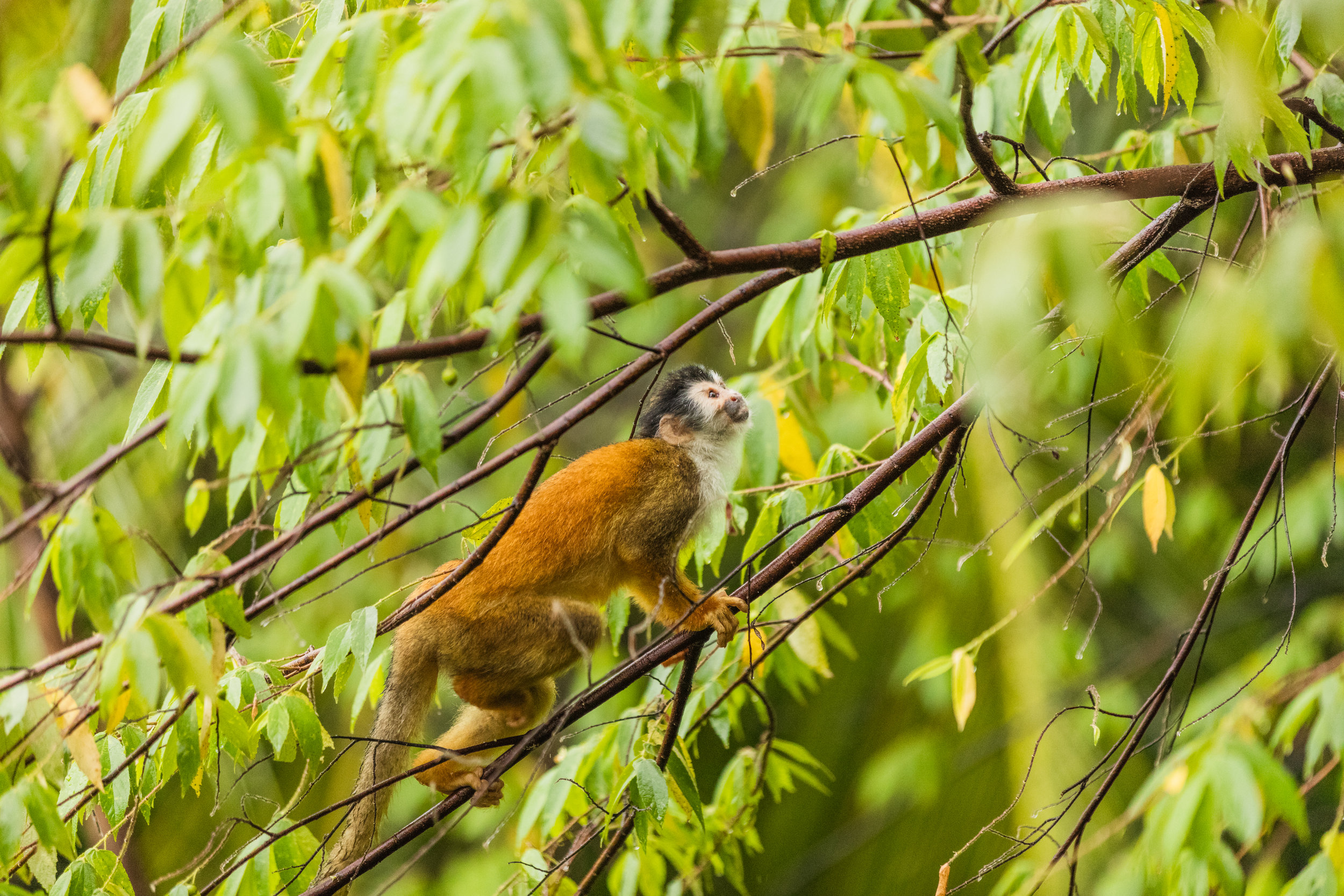
Is your ultimate dream to identify wildlife with the soothing accuracy of David Attenborough? Whether you are a budding biologist, a hardcore nature enthusiast or a wannabe birder, the guiding pros at Lapa Rios can take your identification and interpretation skills to the next level with their 5-night Lapa Rios Guide School, available in May, June and August of 2018.
Under the careful tutelage of some of the very best rainforest guides in the business, learn what it takes to be a naturalist guide with the wild Osa Peninsula as your classroom. Distinguish your squirrel from your spider monkeys. Identify the calls of toucans amongst the jungle chorus. Know your medicinal flora and your venomous fauna. Tap into almost 50 years of cumulative guiding knowledge, learning indispensable techniques while out hiking nature trails. Interact with the community and experience the Osa Peninsula from a new perspective and learn about conservation challenges and initiatives in what National Geographic calls the most biologically intense place on earth. Your efforts for the week are capped off with an official “Guide School Graduation” and certificate of achievement.

Prices for this 5-night/ 6-day natural immersion start at $1,760 per person. The Lapa Rios Guide school is limited to 8 persons and minimum age of 14 years of age. To arrange this experience for your clients, agents should contact should contact their preferred local DMC or Tour Operator.

Excellent wildlife viewing right from your own private balcony

Summer Trips that Transform, Inspire & Enlighten
For today’s traveler, the summer holiday season isn’t just about relaxing on a beach with a frozen cocktail or soaking up sunshine somewhere. Increasingly, travelers want to utilize their vacation time to learn a new skill, pursue personal development, or tackle a physical challenge that leave them transformed. These destinations offer just that.
Summer Trips that Transform, Inspire & Enlighten
For today’s traveler, the summer holiday season isn’t just about relaxing on a beach with a
frozen cocktail or soaking up sunshine somewhere. Increasingly, travelers want to utilize their
vacation time to learn a new skill, pursue personal development or tackle a physical challenge that leave them transformed, with lasting habits and a changed outlook on life and the world around them.
If you have clients – both families and adults – that are in search of something immersive, educational or somewhat off the grid over the North America summer months, look no further than Latin America. We’ve compiled a list of our favorite picks for experiences that will challenge & enlighten while also offering extra value due to the off-peak time frame for each destination.
Use the links below to access the individual posts about each destination and experience.


The Cayuga Collection - Leaders in Sustainable Luxury
Get to know the mission and values of the Cayuga Collection, a world leader in providing sustainable hospitality experiences. The six properties that we currently represent in Costa Rica, Nicaragua and Panama are all managed by Cayuga.
With the expansion of this portfolio into Central America, we’re excited to welcome six new properties in Nicaragua, Costa Rica and Panama that are all operated by the Cayuga Collection, an industry leader in providing sustainable luxury hospitality experiences.
Founders Hans Pfister and Andrea Bonilla are both graduates of Cornell University’s Hotel School in Ithaca, New York and dedicated ecotourism professionals. (Hans actually began his career managing the Hampton Inn at the San Jose Airport where he made waves in the late 80s by eliminating single use bath products in favor of refillable bottles.) Together, Andrea and Hans started Cayuga in 1994 with the goal to blend true luxury travel with practices that are both environmentally friendly and beneficial to the local communities. They now manage nine individually owned hotels across the region, of which we are currently representing six. These are Jicaro Island Ecolodge, Latitude 10 Resort, Arenas del Mar , Kurà Design Villas, Lapa Rios Ecolodge and Isla Palenque, a new private island resort along Panama's north Pacific coast. In 2017 Cayuga won the National Geographical World Legacy Award in the Earth Changers category.

Andrea and Hans - Founders of the Cayuga Collection
While there is some variation across the properties, the following are hallmarks of the entire collection:
No Single Use Plastic Bottles or Straws: Tap water at the Cayuga hotels is always treated and filtered to international standards and is 100% safe for human consumption. Guests are encouraged to bring their own water bottles to refill or can borrow one for the duration of their visit. Additionally, the Cayuga properties did away with plastic drinking straws several years ago, replacing these with a robust, compostable bamboo option which was the brainchild of a gardener at the Harmony Hotel in Nosara. Needless to say, he’s not gardening anymore.

Bamboo straws in cocktails at Jicaro Island
Sustainability on Display: A mission of the Cayuga Hotels is to educate guests on their sustainability practices, even the unglamorous and often overlooked ones like composting and carefully monitoring exact water to load ratios for optimal energy efficiency in the laundry room. Each property offers a complimentary “Behind the Scenes” sustainability tour to showcase the various ways green practices are implemented. This ranges from using solar panels to heat water to raising pigs to break down compostable scraps in order to produce biogas.
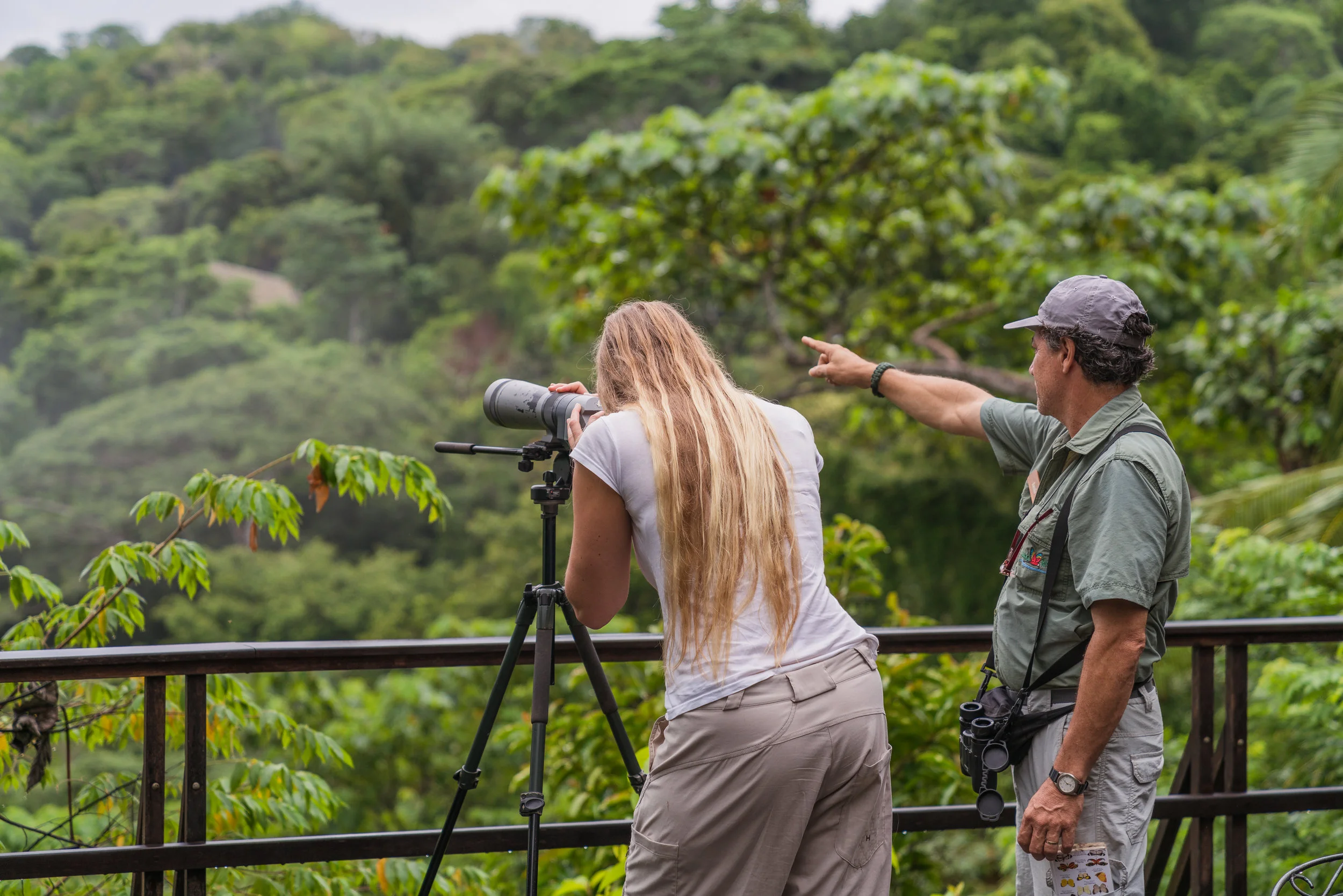
Go Natural: You won’t find trimmed grass lawns or perfectly paved walkways at these properties. Most of the hotels exist within the tropical rainforest so lush, natural vegetation is cultivated and in many cases, was left intact and undisturbed when the property was constructed. This equates to more wildlife, especially birds and monkeys who feed on the fruits of established trees.

Natural vegetation means more wildlife overhead or right outside your window
Employ Local: Across the 9 properties and including headquarters in San Jose, Cayuga employs over 400 individuals from Nicaragua, Costa Rica and Panama. Staff at each hotel are 80%-100% from the local community immediately surrounding the property. All positions are year round, keeping service standards consistent and fostering cross training among employees who don't have to worry about seasonal layoffs which are typical at many Costa Rica hotels.
Eat & Drink Local: Cayuga piloted the global “Dock to Dish” program in Central America - they connect their chefs with local fishermen and only use responsibly caught seafood. This often leads to unique dishes as the hotels all pledge to purchase and prepare whatever teh fishermen bring in that day. Additionally, their restaurants use only grass-fed beef and hormone-free chicken and as many locally produced and organic fruits and vegetables as possible.

Local fishermen in Puerto Jimenez, part of the Dock to Dish program at Lapa Rios
Community Investment: The company founded and finances a public charity called Earth Equilibrium, which focuses on environmental education & community development. Supported projects range from providing local schools with solar power and a water filtration system to providing residents with educational, infrastructure and sustainable food projects
It's true that the Cayuga Collection properties may not be for everyone; travelers seeking a larger tropical resort experience with AC, dedicated pool butlers, manicured grounds, golf courses or a full gym may be happier with the international name brand resorts typical of Costa Rica's Papagayo Peninsula. But for travelers who seek to experience authentic local culture, have friendly and genuine interactions with members of the community, travel in a style that is environmentally conscious while giving back through travel, Cayuga is for them.

Latest News from the Properties
Here is a roundup of the latest news and happenings from each of the properties.
Latest News from the Properties
COLOMBIA

Coffee Region, Colombia
Tourism to Colombia is booming. Hacienda Bambusa is essentially already full for January and February of 2018. Remember to take advantage of the special 25% discount at Bambusa from mid April through the end of June. An updated 2018 Rates Sheet can be downloaded here, which includes details on this discount.
ECUADOR & GALAPAGOS

Hacienda Zuleta - Ecuador
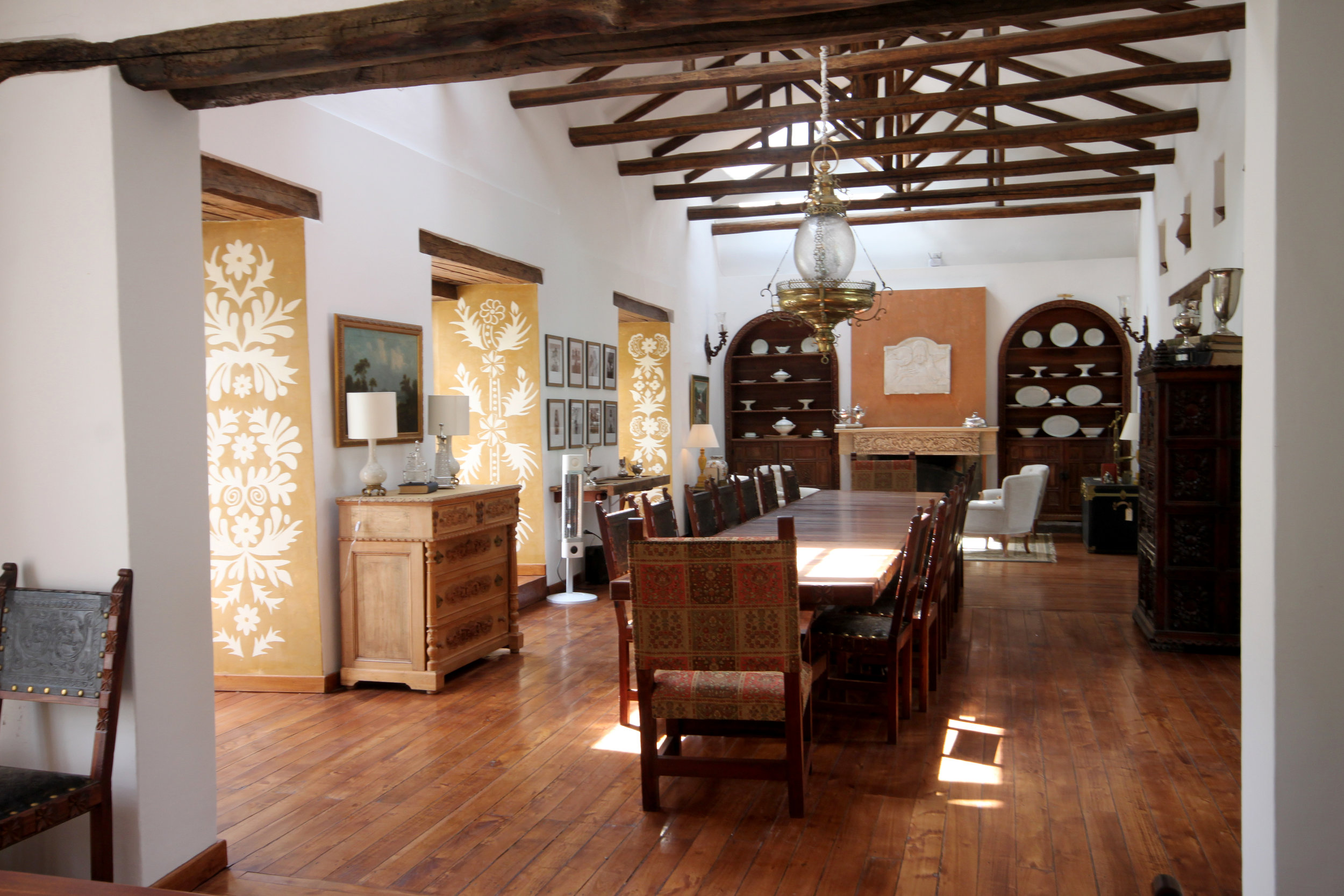
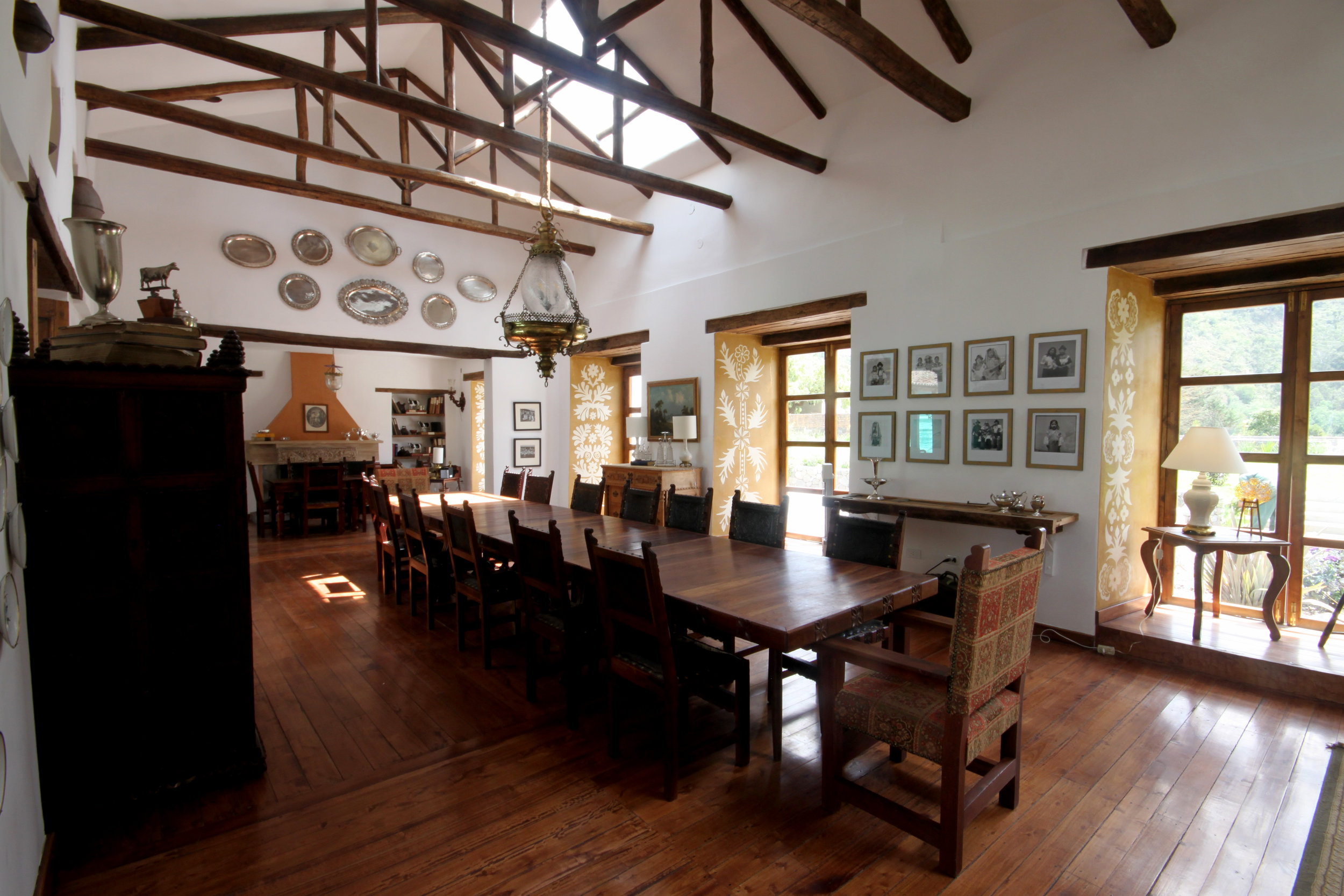
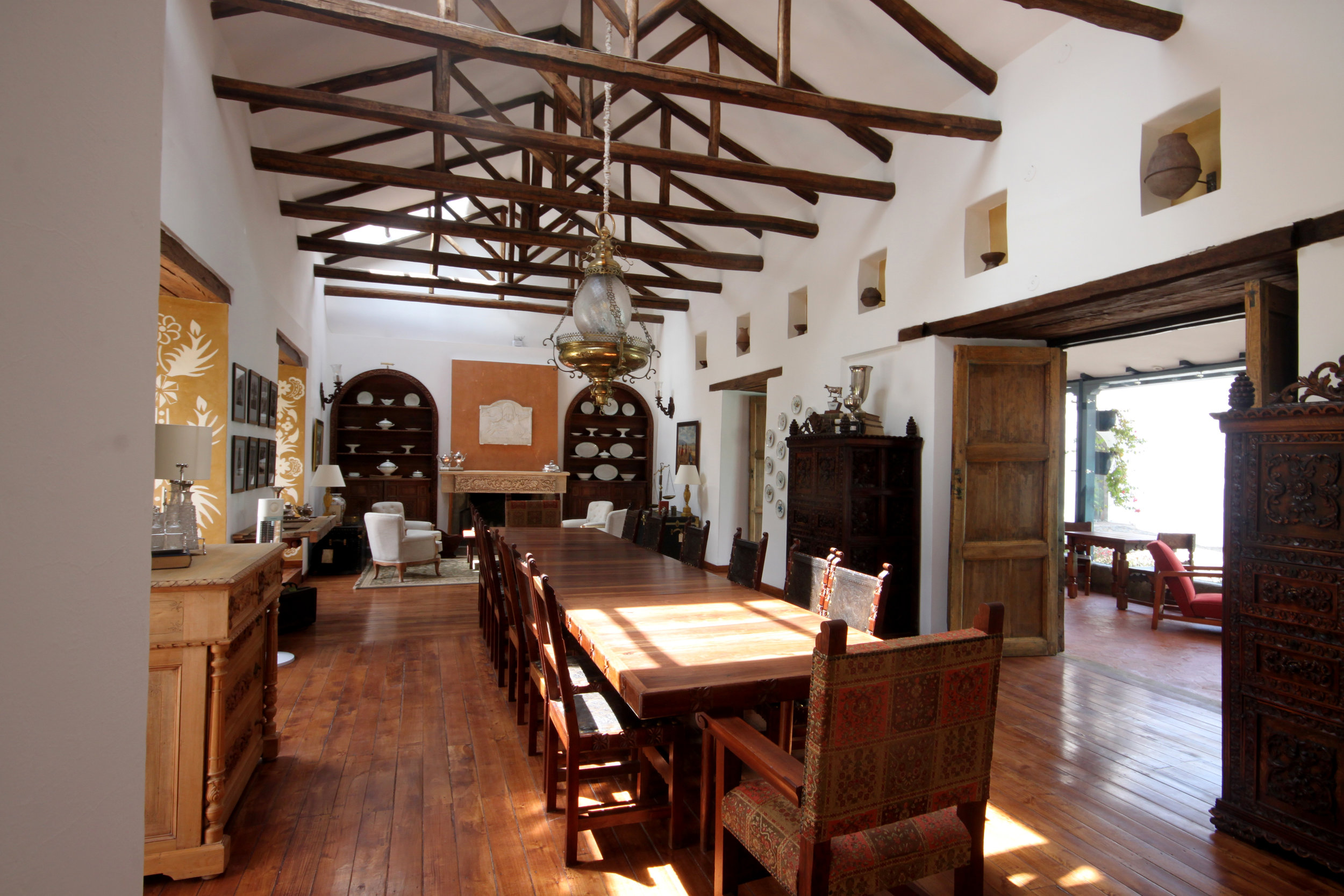
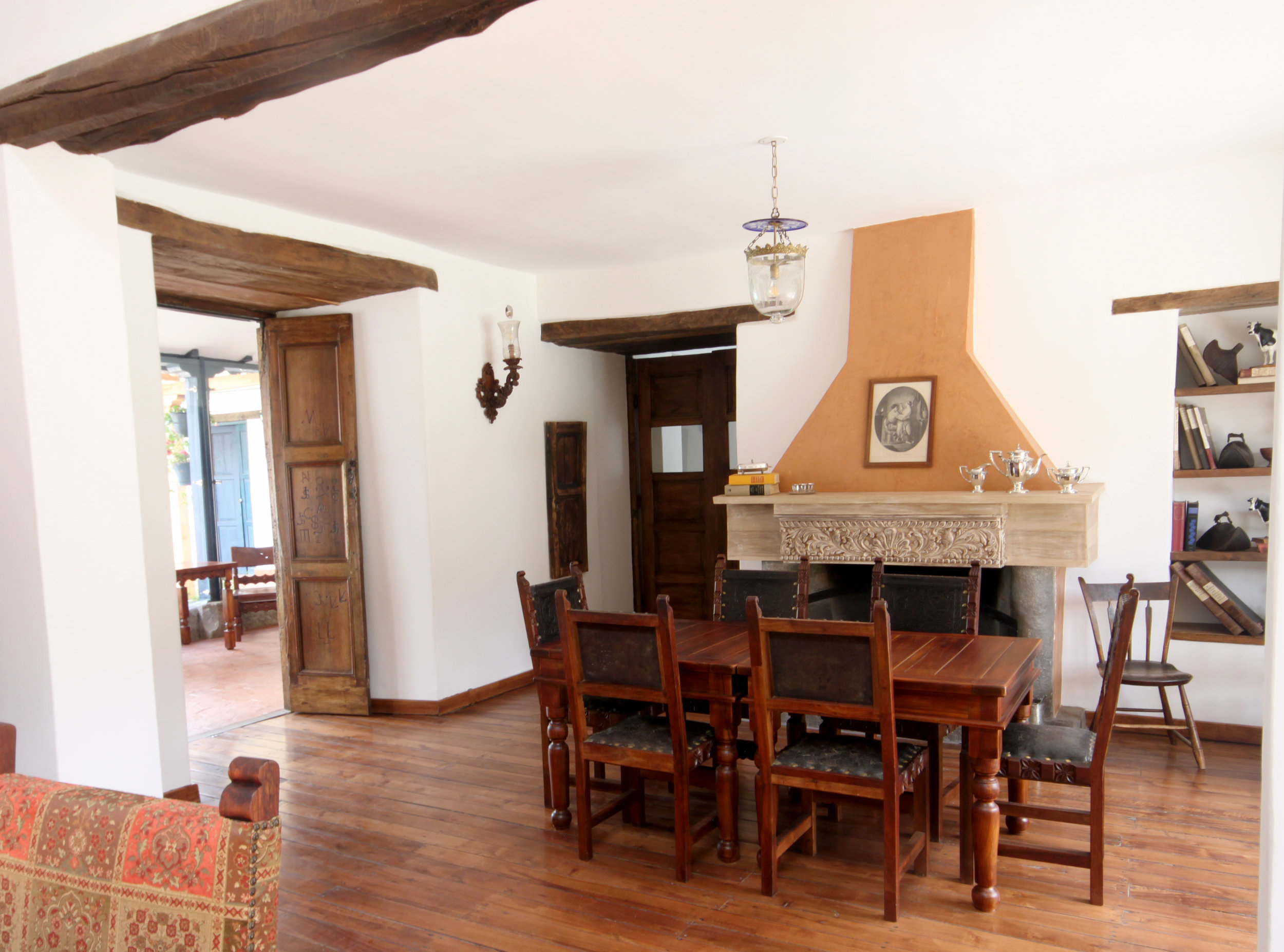
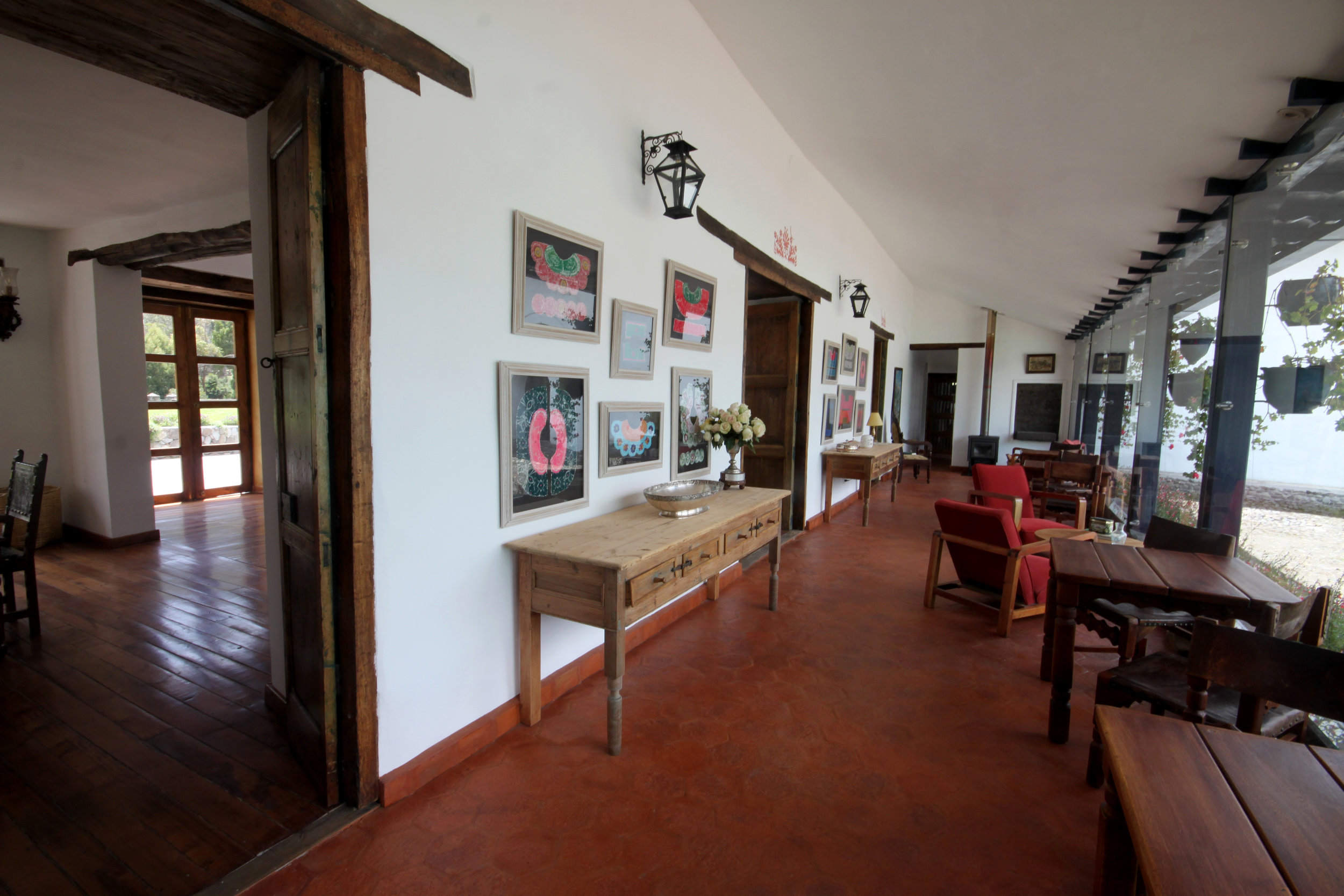
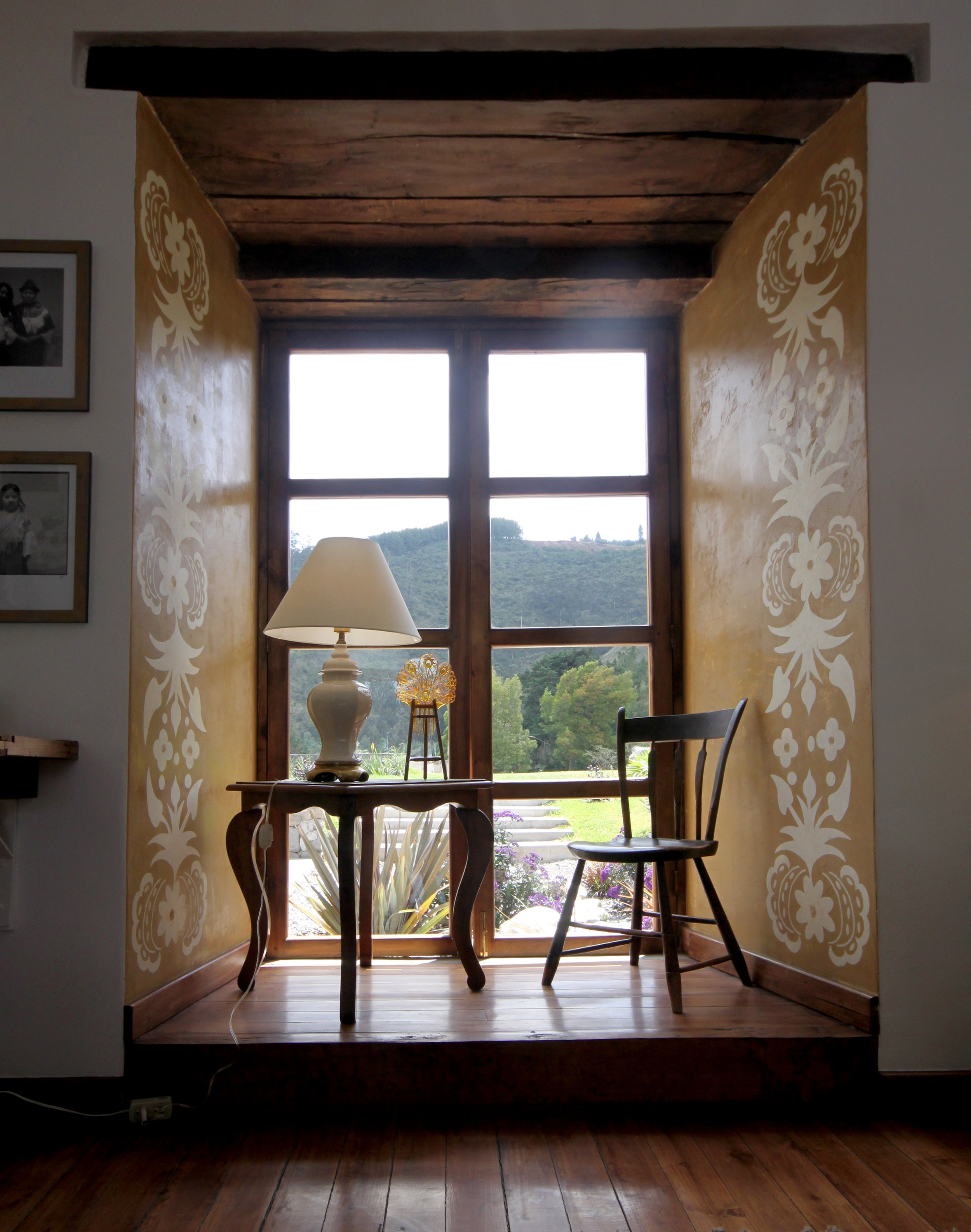
Construction of the new dining room at Hacienda Zuleta is complete and guests are now enjoying more space and seating options. Guests can choose to dine family style with others or select individual more private tables, even outdoor patio seating.
Have a look at the new dining room below and then read about options to visit Zuleta for the day, for those that can't swing an overnight.
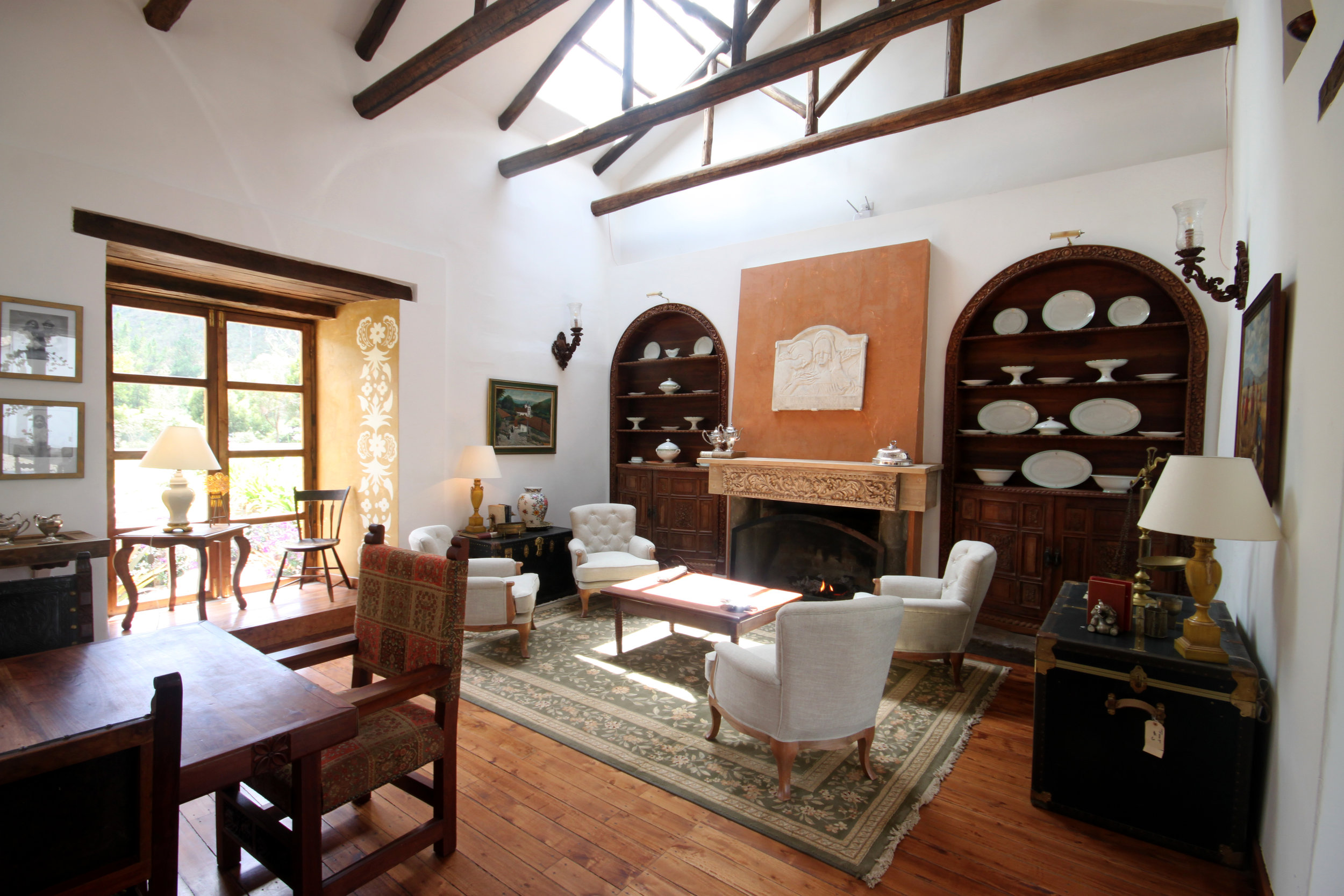
If you have travelers who will just be in Quito for a night or two but want to venture out of the city, consider Hacienda Zuleta's new "dine & learn" option. Designed for travelers who can't stay at the Hacienda but want to have lunch and learn about the property's rich history, the experience lasts four hours and includes a homemade three-course lunch. Optional add-ons include a bike or horseback ride in the surrounding region or a guided visit of the cheese factory and embroidery workshop. A great option for travelers just stopping over in Quito on either end of a Galapagos trip - we bet they'll want to return to Zuleta! Net rates start at $90 per person and can be booked via your Ecuador Tour Operator or DMC.

Cloudforest, Ecuador
You can now venture behind the scenes of Mashpi Lodge on Netflix. The BBC series "Amazing Hotels" is newly available for Netflix subscribers.
You can also delve behind the scenes with "The Mashpi Project", the title of a photography book due for publication in 2018 that showcases the unique and often difficult to spot members of the Choco Ecosystem. The project brings together both Mashpi staff and award-winning photographers and graphic designers and 50% of all sales proceeds will go towards funding conservation efforts at Mashpi. For a sample of the stunning wildlife photography and more about the project, read The Mashpi Project post on Mashpi Lodge's blog or search #themashpiproject on Instagram.

Our annual Ecuador and Galapagos FAM trip is now set for May 4th-13th, 2018. This trip stays at Casa Gangotena, Mashpi Lodge, Galapagos Safari Camp and Hacienda Zuleta. If you are interested in being considered for this trip, please express your interest via email and also provide a bit of history on your current and prospective Galapagos and Ecuador bookings.
Enjoy this short new promotional video from Galapagos Safari Camp.

December 6th is Quito's official day of founding but the city devotes the whole first week of December to celebrating the "Fiestas de Quito." If you'll be in Quito during this celebratory period, be sure to check out Casa Gangotena's blog post on the "Top Things to Enjoy During Fiestas de Quito." From drinking hot canelazo to riding a chiva to learning how to play cuarenta, these tips will have you partying like a local.
CHILE & ARGENTINA
As most of you know by now, Awasi Iguazu will open its doors for public bookings beginning February 5th, 2018. Rates and booking details are available for download via this link. An extensive Fact Sheet and a presentation of the property with information on the common areas + blueprints of the villa layout can be found by clicking on the respective imbedded links. I'm heading down to experience the property in late January and will send a full update + schedule of webinar trainings after my return.
Award-winning National Geographic photographer Keith Ladzinski is currently at Awasi Patagonia documenting the wildlife and landscapes. Follow their facebook page for the latest photos from Keith and check out his awesome time-lapse of a windy morning in Torres del Paine, shared via Instagram.
PERU

Titilaka will take care of your guests in Lima!
Guests booked for stays at Titilaka occurring from January 15th till March 15th of 2018 will receive complimentary hotel nights in Lima. Three nights in Titilaka equals 2 complimentary nights in Lima or book 2 nights Titilaka and receive 1 complimentary night in Lima.
Titilaka also has availability over Christmas and Easter Week 2018 as of this writing.
Two rooms are available from December 20-27th, 2017 and four rooms are available from March 25th to the 31st. Easter Week is an excellent time for guests interested in cultural traditions as nearby Puno is renowned for its Semana Santa (Holy Week) festivals and parades, which present a colorful blend of Christian and Andean customs and symbolism.
Considering Titilaka and Lake Titicaca as part of a family trip to Peru? Tara Cannon of Pint Size Pilot wrote about her family's recent stay at Titilaka on her blog.

Hotel B has curated a series of excellent experiences that highlight the world-class culinary scene of Lima. Read the full blog post for details on their market visits & cooking class or shorter craft cocktail lessons, a fun way to kick off or end a trip to Peru.
December marks the return of Hotel B's beloved 'Christmas Tea' available daily from 4:30 pm to 7:00 pm. Think full High Tea service with a festive twist. If you have guests staying at Hotel B in December, make sure they are aware of this offer as reservations are suggested due to the popularity. It's an excellent experience to return to after a day of exploring Lima.
To reserve, please email: recepcion@hotelb.pe (Price: S/59 Adults; S/35 children) (About $18 USD for adults and $11 USD for children.)

Tara Cannon of Pint Sized Pilot recently traveled to the Peruvian Amazon and stayed at Inkaterra Reserva Amazonica as part of their family trip to Peru. Read Tara's take on exploring the Amazon with children on her recent blog post.
For our "The People Behind the Experience" series, we recently interviewed Luisella Garmendia, General Manager at Inkaterra La Casona in Cusco. Learn more about Luisella and the fascinating history of the La Casona building on the CK blog.

Luisella Garmendia of Inkaterra La Casona - The People Behind the Experience
Inkaterra La Casona has a reputation as one of the most bespoke and exclusive properties in all of Cusco. It can be hard to book for your clients due to its limited availability and sterling reputation, but it's so worth it when you can! We sat down with Luisella Garmendia, the General Manager, to learn a bit more about Inkaterra La Casona and what sets it apart.
Luisella Garmendia of Inkaterra La Casona
- The People Behind the Experience -

For travel professionals that organize and sell high end travel to Peru, most have a love/hate relationship with Inkaterra La Casona. They love when they are able to get availability in one of the 11 exclusive suites for their clients, it allows them to offer something so authentic and exclusive that sets their services apart from the masses. But due to the small size and sterling reputation of the property amongst industry insiders, they hate that availability, more often than not, results in the dreaded waitlist game.
We sat down with Luisella Garmendia, the General Manager, to learn a bit more about Inkaterra La Casona and what sets it apart in Cusco
First, what was your background prior to becoming GM of Inkaterra La Casona?
I worked many years for the Belmond chain of hotels, when they were still called Orient Express Hotels. I worked as receptionist and then in guest services at the Monasterio Hotel, which sits just across the Plazoleta Nazarenas from La Casona. Then I spent a few years in sales for the Belmond Miraflores Park Hotel in Lima. In 2008 I was offered a role in guest services for Inkaterra and took it, eventually assuming the role of GM at Inkaterra La Casona in 2010.

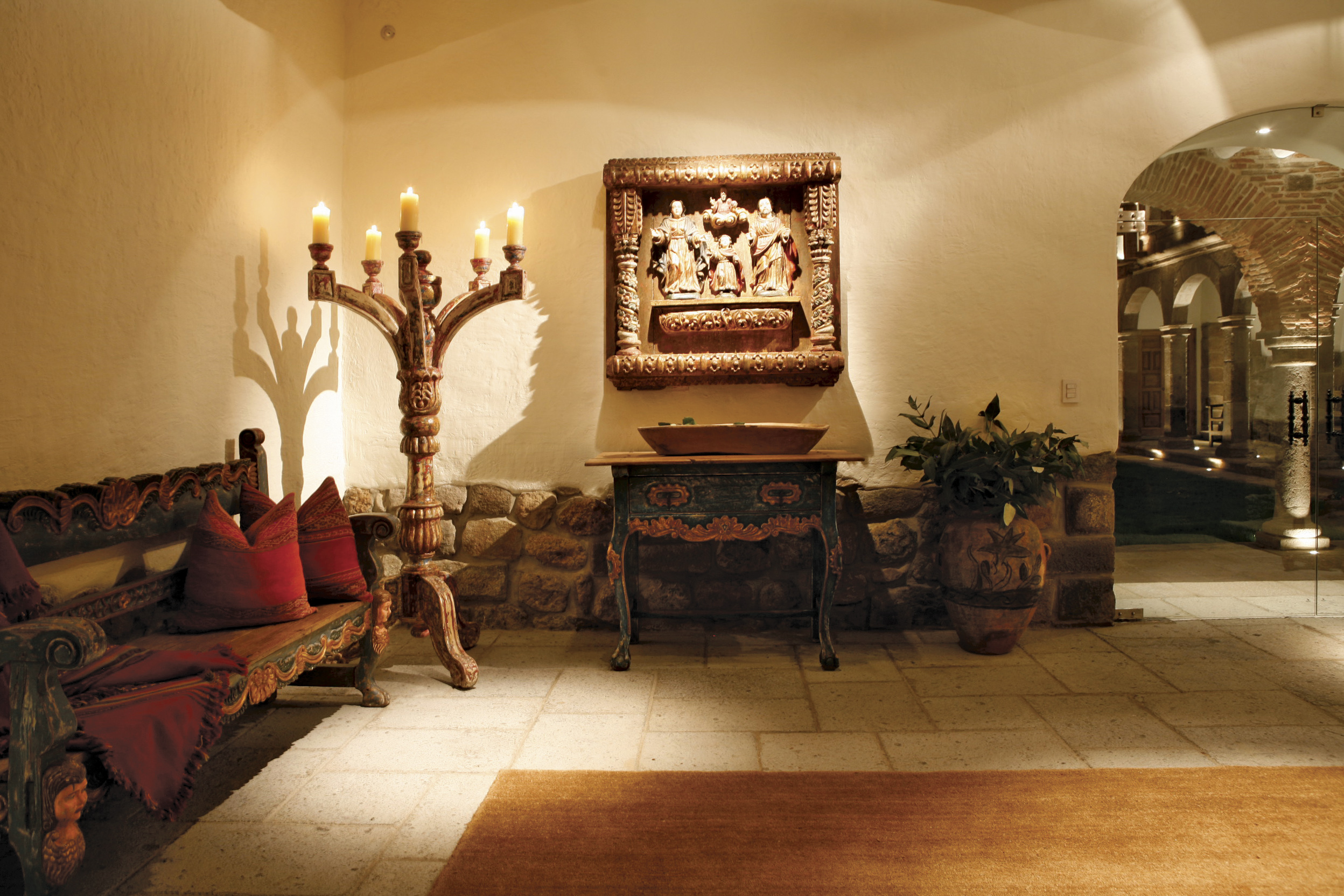
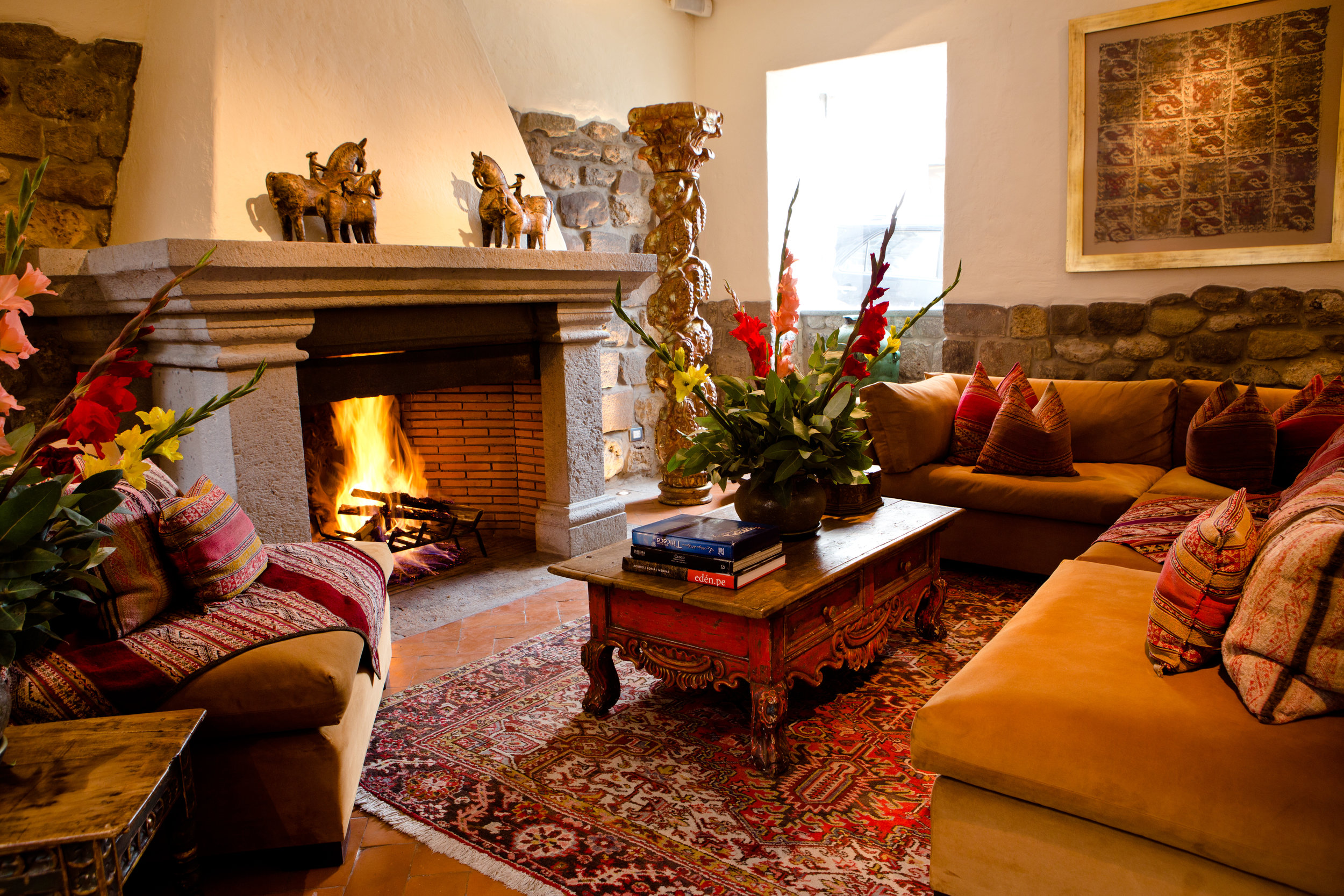
...only those with one of the 11 rooms keys get a chance to experience the history behind these doors.
Considering that Belmond is one of the most internationally recognized luxury hotel brands, what was it that made you decide to go work for Inkaterra?
Correct, I'm extremely grateful for my time with Belmond and still have the utmost respect for the brand, their hotels and service standards. With that being said, first, I wanted to get back to Cusco, there is something magical about this city that never leaves you. Second, I had worked in hospitality long enough to know that what I loved doing, and what makes me happy, is interacting with guests. Inkaterra La Casona, having only 11 suites compared to the much larger hotels I had experience working in, was just a perfect fit for me. You can really get to know each and every guest on a personal level, and the setting is more intimate. I never think anymore in terms of check in and check out, but rather of welcoming them into my home for a few days and making sure they leave feeling like they were part of something special for the time they were with us. Third, I'm proudly Peruvian...and had watched this beautiful colonial building sit in a state of sad abandonment for many years before Inkaterra acquired it in 1999. Then over years and years, the most thoughtful and dedicated restoration process unfolded by Inkaterra. Although known for their hotels, Inkaterra is a true champion in sustainable development and in conserving the biodiversity and cultural heritage that Peru offers visitors. So being invited to be part of such a tremendous local vision, the pride that came along with being able to share that with visitors, and the simple fact of working in Cusco's most storied building every day was just something I would never pass up. Inkaterra La Casona is also the only Relais & Chateaux property in Cusco, a real distinction for travelers looking for someplace unique.

One of just two of the Plaza View Suites at Inkaterra La Casona
Speaking about the history of Inkaterra La Casona, in a nutshell, what makes it so unique in Cusco?
Oh, wow...in a nutshell? Hahaha... This site during Inca times was the Warakos Academy, it was the training center for the most elite of the Incan army. The foundations of the current building here are original Inca walls from that period of time. Then after Francisco Pizzaro's conquest of the Inca Empire during the late 16th century, this was the first colonial building erected on top of Incan ruins after the siege of Cusco. The house was first home to Diego de Almagro, who was one of Pizarro's Captains during the Inca conquest and later become the first European discoverer of Chile. Next, La Casona was home to Captain Francisco Barrientos and Don Juan Alvarez de Maldonado who is credited with expanding the conquest into the Amazon. And then the most notable resident of the home was Simon Bolivar who lived here after leading the independence of Peru from Spain in 1825.


So, what about during your time as General Manager, who are some of the most memorable guests you have cared for?
Well, Mick Jagger of the Rolling Stones has a special affinity for Peru and La Casona is his home when in Cusco. We have also had Bono from U2 and Antonio Banderas, to name just a few.
But probably my most memorable guests were in 2014 when the Dutch Royal Family - King Willem-Alexander, Queen Maxima, along with their children and grandchildren were our guests, they were such a lovely family to host.

When you are not working, what do you do?
I'm always working. But, I have two precious little girls, so I'm enjoying time with them on days off....while still always attentive to what is happening at the property.

Ecuador with the Kids - Pint Size Pilot
Earlier this year, I helped Tara Cannon arrange a trip to Ecuador with her husband and two children, ages 9 and 12. Tara is the founder of the leading family-travel blog 'Pint Size Pilot'. Through documenting her own experiences of traveling as a family, she seeks to show other parents that having children does not mean an end to exotic, interesting or adventurous journeys.
Ecuador With The Kids
Earlier this year, I helped Tara Cannon arrange a trip to Ecuador with her husband and two children, ages 9 and 12. Tara is the founder of the leading family-travel blog 'Pint Size Pilot'. Through documenting her own experiences of traveling as a family, she seeks to show other parents that having children does not mean an end to exotic, interesting or adventurous journeys.

Views of the main square from the rooftop terrace at Casa Gangotena, Quito
While Pint Size Pilot is geared towards globe-trotting parents, Tara's website is a great resource for travel industry professionals too. She peppers her destination and hotel blogs with first-hand recommendations on flying with children, gear reviews, restaurant advice and directories for babysitting services and baby equipment rentals throughout North America, Mexico and the Caribbean. If you are ever stumped by a family-travel related question from a client, there's a chance that the answer can be found on Pint Size Pilot.

Exploring the Andean Highlands on horseback at Hacienda Zuleta
In Ecuador Tara's family was hosted at each of the Ecuador mainland properties in the Clark Kotula Collection; Casa Gangotena in Quito, Mashpi Ecolodge in the Ecuadorian Cloud Forest and Hacienda Zuleta in the Andean Mountains of Northern Ecuador. The following links take you directly to her blog posts, good fodder to send to travelers who are considering a mainland Ecuador extension before or after a Galapagos Islands trip.
Top Things to do in Quito, Ecuador with Kids: Highlights a few less-obvious attractions that appeal to children and a great resource for family travelers with a free day in Quito.
Discovering the Cloud Forest, Mashpi Lodge
Review of Mashpi Lodge: Candid review of the property as an optional trip from Quito with great anecdotes about the wonderful, kid-friendly guides and additional amenities that the lodge provides to help younger visitors really engage with the surrounding Cloud Forest environment. Tara also provides good information on weather and packing suggestions.
Paradise Found: Hacienda Zuleta: I've said it before, but it is always nice to have another voice echoing my sentiment; Zuleta is made for families. Tara spent a few nights here at the start of her Ecuador trip to relax after a long flight but Hacienda Zuleta is ideal at the beginning or the end of any larger Ecuador adventure. Knowing that the kids can safely roam the property under the supervision of farm dogs is a treat for mom and dad.

Canine companion "Mambo" - perfect guide for exploring the grounds at Hacienda Zuleta

Trains, Planes & Automobiles: How to Access Lake Titicaca
Lake Titicaca is now more accessible than ever thanks to new train routes linking Cusco, Puno and Arequipa. To help guests navigate the multitude of transportation choices, Titilaka has compiled a helpful pdf outlining all access options for travelers arriving from Bolivia or within Peru.
Lake Titicaca is now more accessible than ever thanks to new train routes linking Cusco, Puno and Arequipa. To help guests navigate the multitude of transportation choices, Titilaka has compiled a helpful pdf outlining all access options for travelers arriving from Bolivia or within Peru. The pdf, featured in their latest newsletter, is geared towards travel-industry insiders but does not mention rates and therefore can be sent directly to clients who are considering Lake Titicaca and Titilaka. Download a copy of the PDF here.
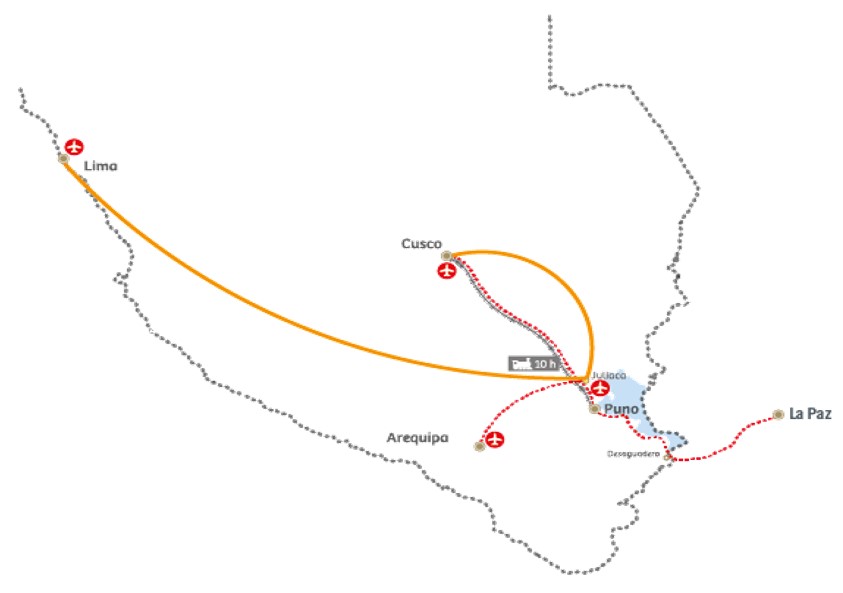
Trains:
On May 31st, 2017, PeruRail relaunched the Titicaca Train which links Puno to Cusco on a 10 hour and 33 minute luxury rail trip. Passengers travel through spectacular high altiplano scenery in Pullman-style train cars with a capacity for 132 persons. The train travels from Cusco-Puno on Wednesdays, Fridays and Sundays and from Puno to Cusco on Mondays, Thursdays and Saturdays. No stops are made, though travelers can take in the scenery from the Observatory/Bar car while enjoying traditional live music and dancing, three gourmet meals, assorted beverages and afternoon tea. This is an excellent option for train buffs looking for a more relaxing day after the excitement of already touring the Sacred Valley and Machu Picchu but due to the length of travel and lack of stops, is not recommended for children. More information on the journey and services can be found on the PeruRail website.
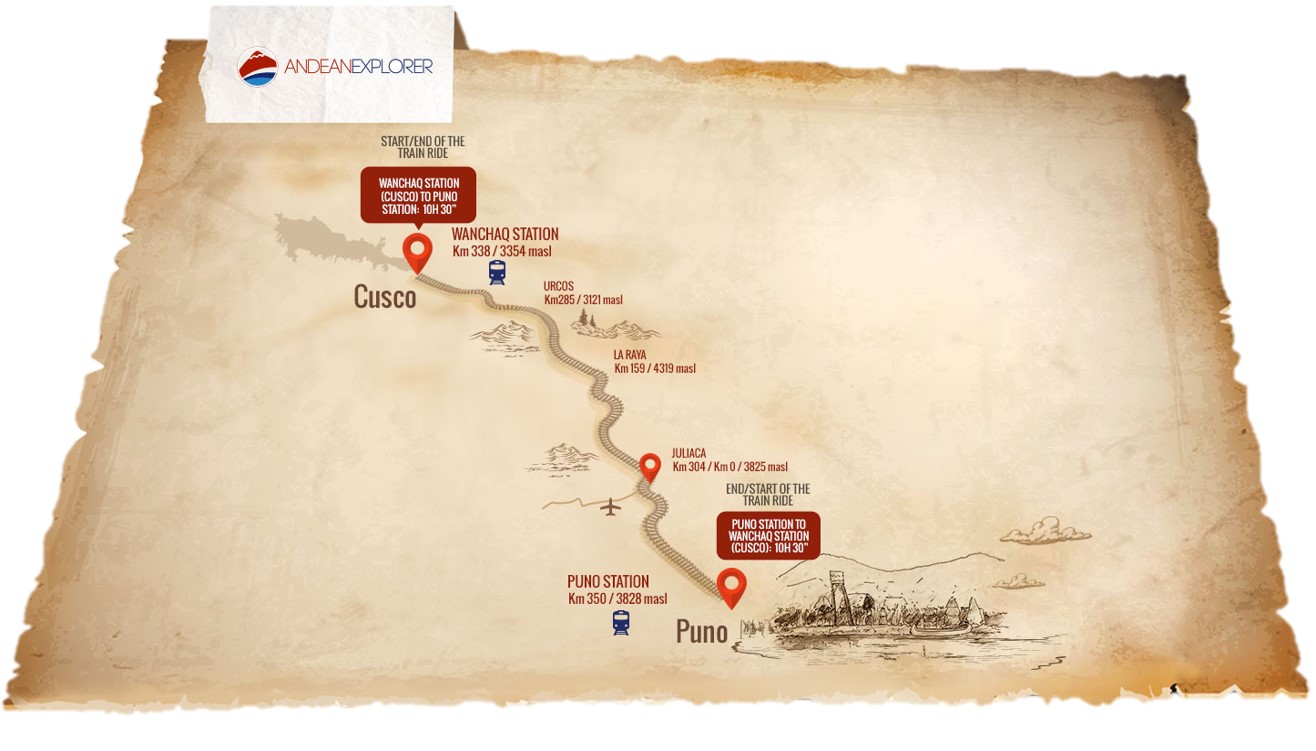
Andean Explorer Train Route in Detail
The Belmond Andean Explorer began service this year, offering the first ultra-luxury Sleeper Train experience in South America. The train runs between Cusco, Lake Titicaca (Puno) and Arequipa with regularly scheduled weekly departures for every month except February and unlike the Titicaca Train, passengers disembark on short, guided explorations along the route. Currently, travel options include either a 3-day/2-night journey connecting Cusco to Arequipa (with just a day-long stop at Lake Titicaca) or as a 1-night/2-day journey between Cusco and Puno. While PeruRail manages the bookings for the Belmond Andean Explorer, in-depth descriptions of the routes and sleeper cars can be found on the Belmond website.
Planes:
Flying continues to be the quickest and most convenient way to reach Lake Titicaca. From Lima, LATAM and Avianca offer a total of four nonstop daily flights to Juliaca, the closest airport to Puno and Lake Titicaca. Nonstop flight time is just under two hours. Many more flights connect via Cusco and the Cusco-Juliaca leg of the flight takes just 40 minutes. While codesharing makes it possible to book onward travel to Juliaca after an international arrival into Lima, this really isn't recommended due to the high altitude of the lake of 12,508' asl. Better to first acclimate in Cusco, the Sacred Valley and Machu Picchu and then proceed up to Lake Titicaca.
Titilaka offers complimentary pick-up for all guests arriving at the Juliaca Airport. The cultural experience begins right away as a brief stop is often made at Sillustani, a large complex of Pre-Hispanic tombs located about halfway between Titilaka and the airport.

Automobiles:
Private car transfers can be arranged to Lake Titicaca from Arequipa, the Colca Canyon, Cusco and the Bolivian Border and travel times range from 2-7 hours without stops. There are also a number of 'tourist bus' companies that offer First Class service between Arequipa and Puno or Cusco and Puno. Timing ranges from 7 hours with direct travel to a full 12 hours if the bus makes stops along the way. While there generally isn't much overlap between guests who stay at Titilaka and travelers who opt to go overland by bus, its still a viable transportation option to be aware of.
Titilaka includes complimentary guest pick-up at either the Puno rail station, Puno bus station or Juliaca Airport and can arrange overland transportation from Bolivia or Arequipa upon request. Private touring en route can be arranged as well if requested in advance.


How Young is Too Young for the Galapagos?
The Galapagos Islands are justifiably regarded as one of the best family travel destinations on the planet, and for good reason. For one, the unique wildlife treats human visitors with curiosity as opposed to fear, an unusual trait that captivates travelers of all ages and leads to eye-level encounters with blue-footed boobies and beach-bumming fur seals.
How Young is Too Young for the Galapagos?

The Galapagos Islands are justifiably regarded as one of the best family travel destinations on the planet, and for good reason. The unique wildlife treats human visitors with curiosity as opposed to fear, an unusual trait that captivates travelers of all ages and leads to eye-level encounters with blue-footed boobies and beach-bumming fur seals. Excellent naturalist guides help visitors explore the archipelago on hiking, snorkeling, kayaking and even mountain biking excursions, much to the delight of active children and teenagers. Tropical diseases such as malaria and yellow fever are not a concern on the Galapagos Islands, in Quito or in the Andean Highlands. The international flight between North America and Quito is relatively short, taking as few as four hours from Miami. And the weather, being Equatorial, is reliably sunny and warm for most of the year. Add in the fact that Ecuador operates on the USD, avoiding any exchange rate confusion, and the Galapagos Islands seem like a no-brainer as a great international destination to explore as a family.

A quick search of online forums discussing family travel to the Galapagos Islands reveals an often-repeated question of concerned parents, "Are my children too young for the Galapagos?" While opinions vary, I'm here to share that personally, I think the Galapagos Islands are an excellent destination for children of all ages, even little ones as young as two or three. The trick is in selecting the type of experience that is correct for your family and will maximize the enjoyment and amazement of all members.
There are two main ways to experience the Galapagos Islands, either by boat or by land, both of which offer age-related discounts for children or price reductions based on shared accommodations. Most boat-based explorations follow an itinerary of island-hopping and shore excursions over the course of one week. These itineraries are set in advance by the National Park and alternate (with some variation) between the northwest or southeast clusters of islands, plus a mandatory exploration of Santa Cruz Island and the Charles Darwin Research Station. Guests dine, sleep and relax on board and join guides on daily zodiac excursions to various islands that likely involve hiking, natural history, wildlife viewing and beach explorations. Snorkeling is almost always an option and some boats carry kayaks that can accommodate two adults or an adult and a child. Excursions, meals and onboard activities are all enjoyed as part of a group.
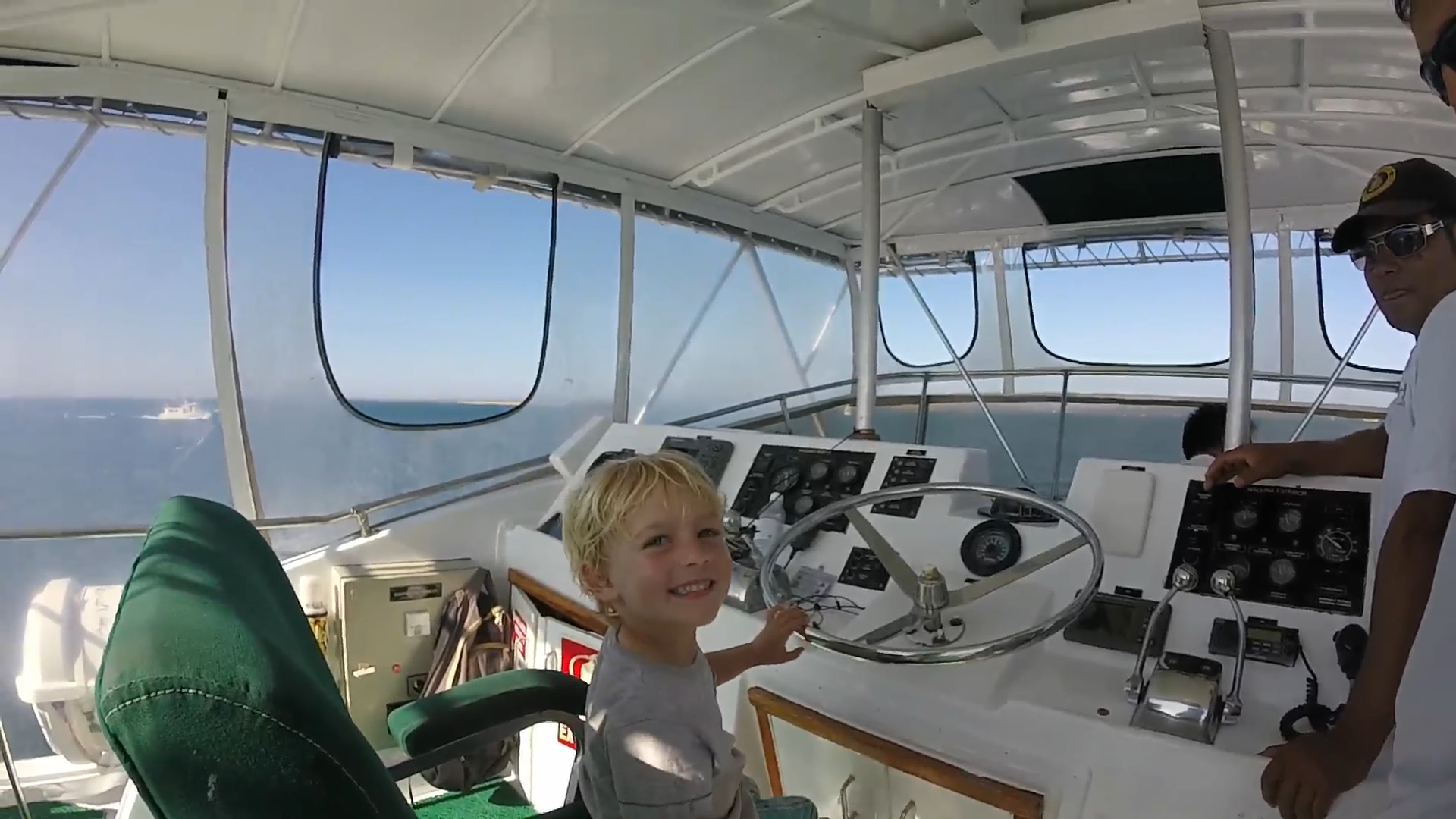
For families considering the boat option, make sure to check age restrictions imposed by the vessel. Many sailings have an age restriction of twelve or older. Family-specific sailings, scheduled to coincide with spring and winter school breaks as well as summer holidays, often have a much lower age-limit of seven or even younger, but it varies from boat to boat. Other considerations to keep in mind concern comfort with water and sensitivity to motion. Can your child swim and are they comfortable wading through knee-waist deep water? PFDs are provided onboard, for snorkeling and during zodiac travel, but comfort with water and some swimming experience would be essential for a child to fully enjoy a boat trip. Day trips to the islands often involve 'wet landings' which means that you must disembark the zodiac in the waves and wade to the beach. Parents can certainly carry younger children during this transition, but it is something to keep in mind when evaluating your vacation choices. Motion sickness is also something to consider; in general, the seas around the Galapagos Islands are fairly calm, especially from December-June, but boats anchored in calm seas can still bob and rock at night. Will this induce nausea or peaceful nighttime slumber? A parent knows best.

A land-based trip to the Galapagos Islands offers more flexibility than a boat and generally doesn't come with any age restrictions. While it is true that a land-based journey will take you to fewer individual islands than a boat-based journey, the diversity and quality of the wildlife viewing and excursions remains the same for all but the most avid birders. (And as this post is about traveling to the Galapagos with younger children, viewing the Waved Albatross on Hood Island is probably not high on the list of priorities.)
On a land or lodge-based experience in the Galapagos Islands, families can choose between active days of wildlife viewing and snorkeling and also enjoy down time at the lodge or on a beach, providing quiet moments for calm play or reflection after a stimulating day. Some lodges, such as the Galapagos Safari Camp in the highlands of Santa Cruz, even cater to families with specially designed itineraries that include a private guide who adapts the pace and activity level to suit the abilities and interests of your children. Day trips by small boat to explore surrounding uninhabited islands are included, but these are interspersed with time spent hiking around Santa Cruz, marveling at the gigantic, free-roaming inhabitants of the adjacent National Tortoise Reserve, spending a day with a local fisherman and snorkeling or kayaking in secluded bays around Santa Cruz. During school holidays, Galapagos Safari Camp also runs a special kids club that grants parents some afternoon alone time while children engage in a variety of creative activities led by lodge staff and guides.

For parents with young children, there is one important, key difference between a lodge-based and boat-based trip to the Galapagos which must be emphasized; on a boat, you are constantly among a group of other, unknown travelers. You eat together, explore together and outside of your stateroom, relax onboard together. Some travelers may view this as a great benefit but for parents with young children, constantly being among strangers without a place to escape to when a "time-out" is necessary can be a great source of anxiety. On a lodge-based trip, particularly when your family is being escorted by a private guide, parents can rest assured that they have the flexibility to accommodate sudden meltdowns and insert impromptu nap times and snack sessions whenever necessary.
I'm a parent to two young and very active boys, both of whom have been traveling internationally since their first year of life, given that their mother's family lives in Scotland. So both my wife and I know firsthand that traveling with young children can be challenging and sometimes stressful. I also concede that some destinations, like Patagonia, are best saved for when children are older and can tolerate longer drives and appreciate a 7+ mile hike. But I don't think that age should be a reason to NOT take children on an overseas trip to a destination that is really well suited to the young and curious. In fact, I think that international travel from a young age provides a great education and helps lay a foundation that allows youth to grow into better citizens of the world on the local and global level. Spending time with my young family in South America and elsewhere in the world has been one of the best experiences of my life. So don't buy into the idea that there is a certain requirement for exploring a place like the Galapagos Islands with young children. Be honest about the abilities and interests of your child and work with a knowledgable travel agent who knows the boat and land-based lodging options well and can design the perfect trip for your family at any age.
Enjoy the following video that I created from our family trip to the Galapagos Safari Camp.