

Return to Nicaragua and Jicaro Island Lodge
In early April of 2019 I spent a week in Nicaragua with a good friend from college. Using Jicaro Island Lodge as our base, we planned day trips around Granada, Mombacho and Masaya. Here, I share my thoughts on revisiting Jicaro Island, traveler safety in Nicaragua following political unrest in 2018, and the moral dilemma of “should you go?”
Return to Jicaro Island Lodge
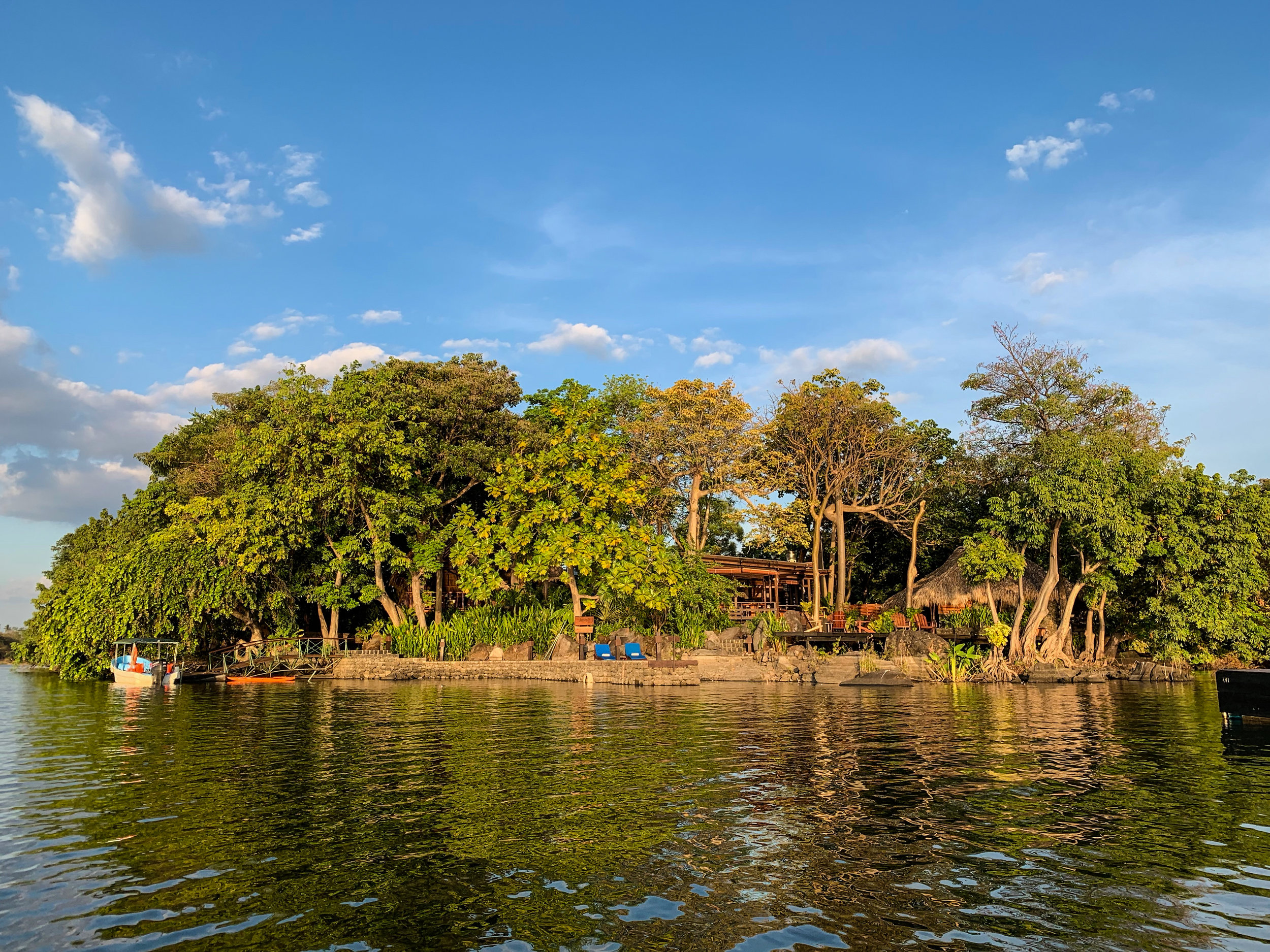
In early April of 2019 I spent a week in Nicaragua with a good friend from college. Using Jicaro Island Lodge as our base, we planned day trips around Granada, Mombacho and Masaya.
What would Nicaragua feel like to a visitor now, one year later? Is it safe? Should one travel there? Some form of these questions arrive in my inbox several times each week and the most honest way to answer was to revisit myself. Following are answers to some of the most frequent queries that I receive about Nicaragua and Jicaro Island.

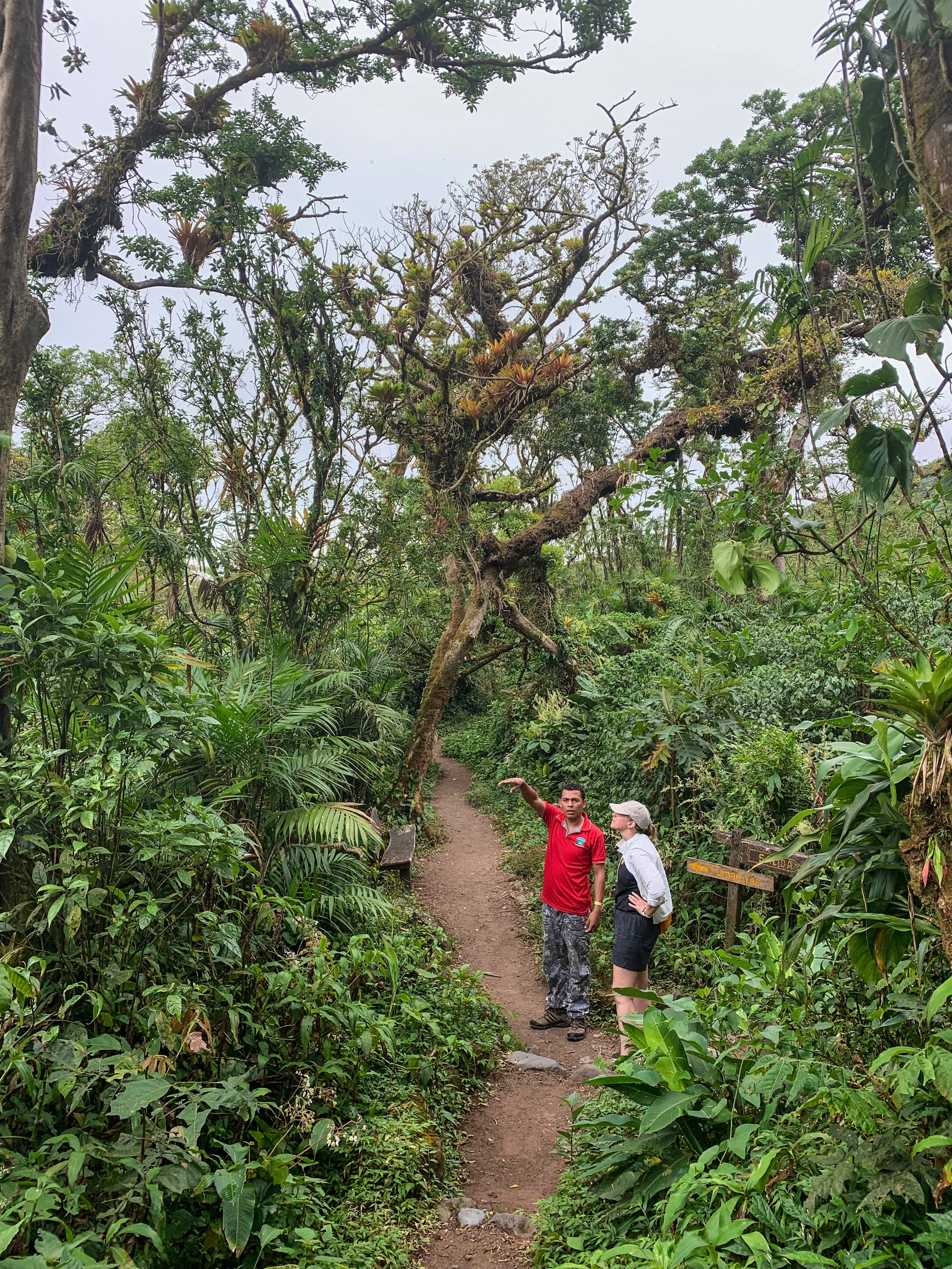
Hiking on Mombacho Volcano, overlooking the Isletas de Granada and Lake Nicaragua.
Is Nicaragua Safe for Tourists?
Without hesitation, yes, tourists can safely travel within the country and have been for some time, since Canada the UK and most EU member nations removed their travel warnings several months ago. In fact, Jicaro Island Lodge was mostly full during our stay; we shared the island with couples from Costa Rica, the UK, Toronto, New York and a family with teenagers from Kentucky.
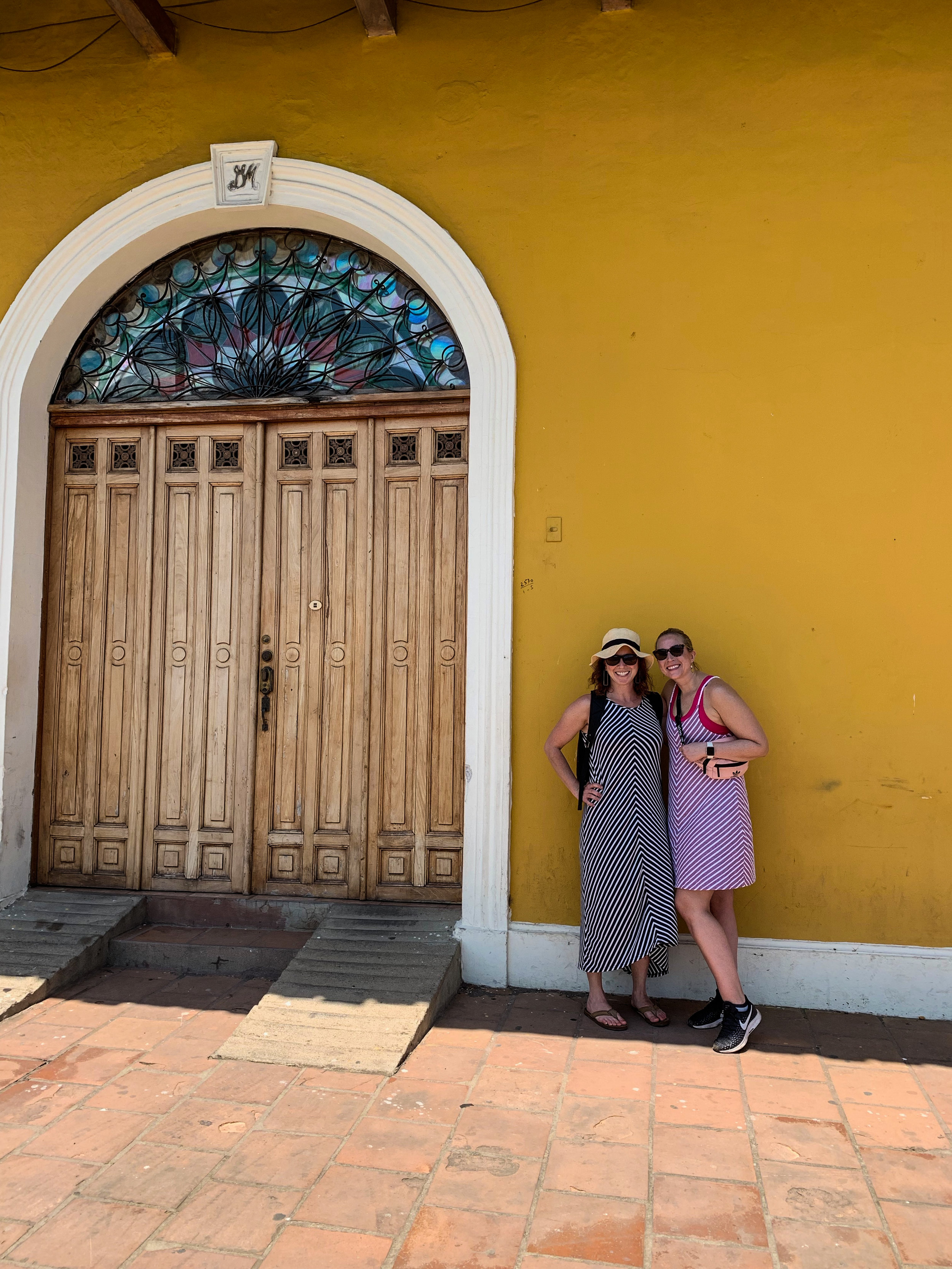
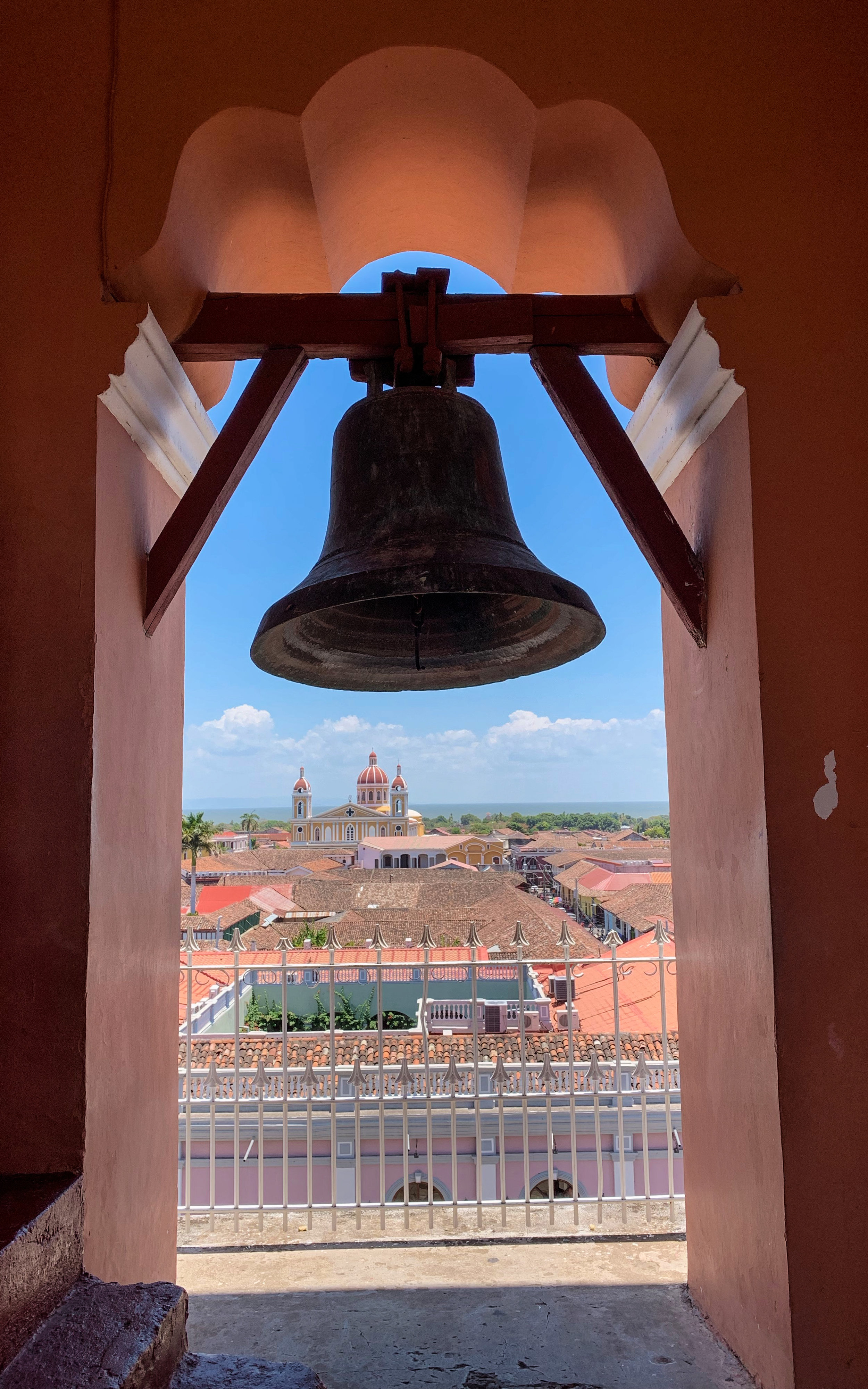
The only snafu we encountered was on our arrival day and it was the fault of Spirit Airlines (and my friend for opting to book Spirit Airlines, but I suppose that everyone has to learn that lesson once.) Jicaro Island took care of all of our transfers, adjusted plans to compensate for Spirit’s failings and arranged several days of guided touring. In Granada, lingering hints of last year still faintly exist in the form of a quieter town and “cerrado” signs hanging on some of the bars and stores that catered exclusively to tourist crowds. But the market and main square were bustling and vendors were eager to banter, show off their carving skills or have you sample their special version of Vigorón. On our requisite visit to the bell tower in Iglesia La Merced, we took in the views over the town’s colonial rooftops with a group of middle schoolers from Masaya and posed for several selfies.

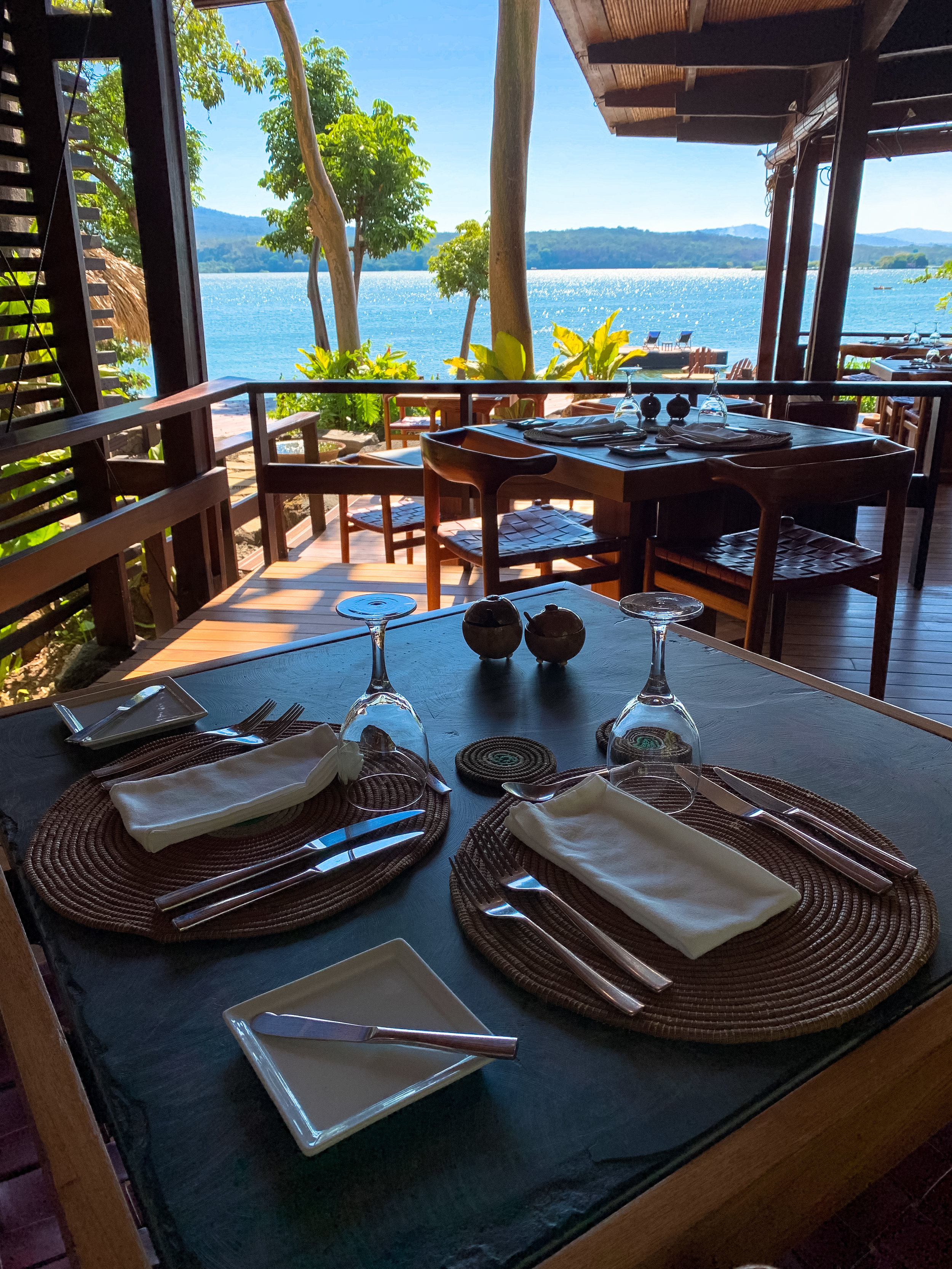
Serene lake views from the pool deck at Jicaro Island Lodge.

Masaya’s Lava Lake
Who Should Go to Nicaragua?
Even before last year, Nicaragua was a delightfully raw “un sanitized” travel experience, especially when compared to Costa Rica’s tourist-focused Guanacaste region just across the border. From the wildly painted chicken buses following their own rules of the road to the frequently seen vaqueros herding livestock down dirt paths and across fields, traveling through Nicaragua reminds you that you’re far from home. There aren’t too many other places in the world where one can drive nearly to the edge of an active volcano and gaze down into a boiling lava lake, sand board down the side of a volcano, join an entire town in passionately cheering on the local baseball team and surf epic waves without battling crowds of other tourists, all in a long weekend .
But you don’t have to be a thrill seeker to appreciate Nicaragua. Jicaro Island is a wonderful place to disconnect and recharge; from quiet mornings with coffee and birdsong to yoga classes near the Cenote and Spanish practice with Jicaro’s encouraging staff, there are many ways to slow down but still richly engage with and soak in the destination. Travel Advisor Sarah Groen of Bell & Bly Travel Design (an affiliate of Brownell Travel) suggested it as the perfect country for Spanish-language immersion, after living with a family in Leon and studying Spanish herself a few years ago.
And of course there is an economic incentive; Nicaragua is very affordable, even in high season.
Why Stay on Jicaro Island Instead of in Granada?
Of all the Cayuga Collection properties, Jicaro holds a special place for me as it perplexed me the most prior to my initial visit; why would anyone stay out on an island “treehouse” in the middle of Lake Nicaragua instead of within Colonial Granada? Experiencing the property for the first time was an ah-ha moment; after a hot day of hiking, horseback riding or walking the dusty and busy streets of Granada, the breezy fifteen minute boat ride through the Isletas transports you to a private island oasis, perfectly positioned to showcase amazing sunsets over Mombacho Volcano. Friendly staff appear out of nowhere with new tropical refreshment and a cool towel that you didn’t know you wanted. And the food - Jicaro’s menu is an amazing highlight in Central America! If you’ve been, you know.
Rather than visiting Las Isletas de Granada for a ½ day cruise (a popular excursion from Granada), a stay at Jicaro allows travelers to live among the tiny fishing communities that have inhabited these islands for centuries. On a SUP or kayak paddle among the neighboring islands you’ll encounter fisherman tossing traditional circular nets into the lake and children rowing their blue and red boats to their school, which guests of Jicaro are welcome to visit for themselves.

Neighbors on Jicaro Island
Since partnering with the Padre Nello School several years ago, Jicaro Island Lodge and their guests have funded the installation of a water treatment system (that provides clean drinking water for 600 people in the surrounding communities), solar panels to provide electricity to the classrooms and countless school supplies. When tourists stopped coming last year, Jicaro Island Lodge’s owner Karen Emmanuel paid out of pocked to keep as many staff employed as possible and ensure that Jicaro’s projects with the local community received continued financial support.

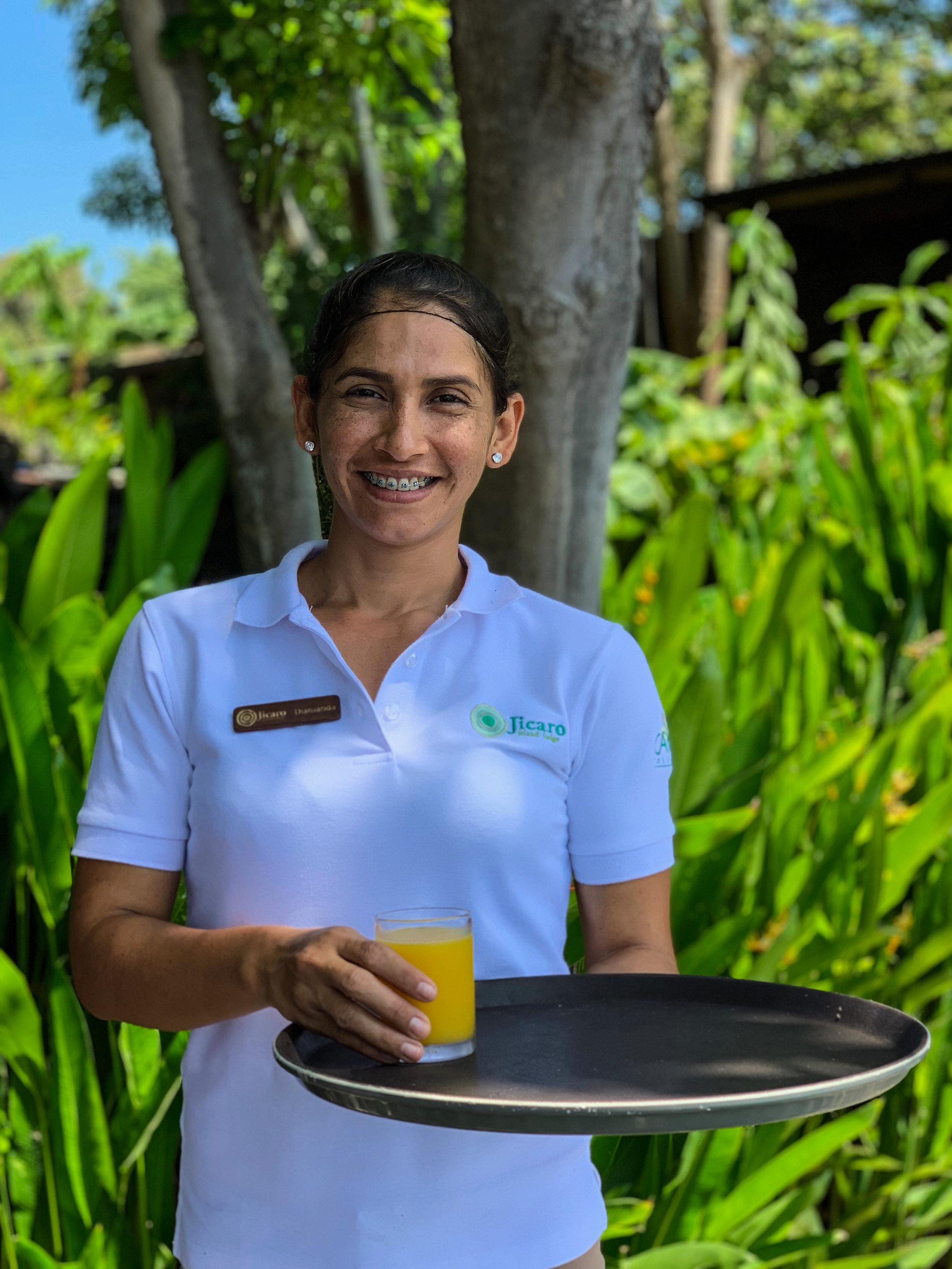
Arge, just one of the amazing people at Jicaro Island, is an aspiring photographer and a creative mixologist.
What is there to do on Jicaro Island?
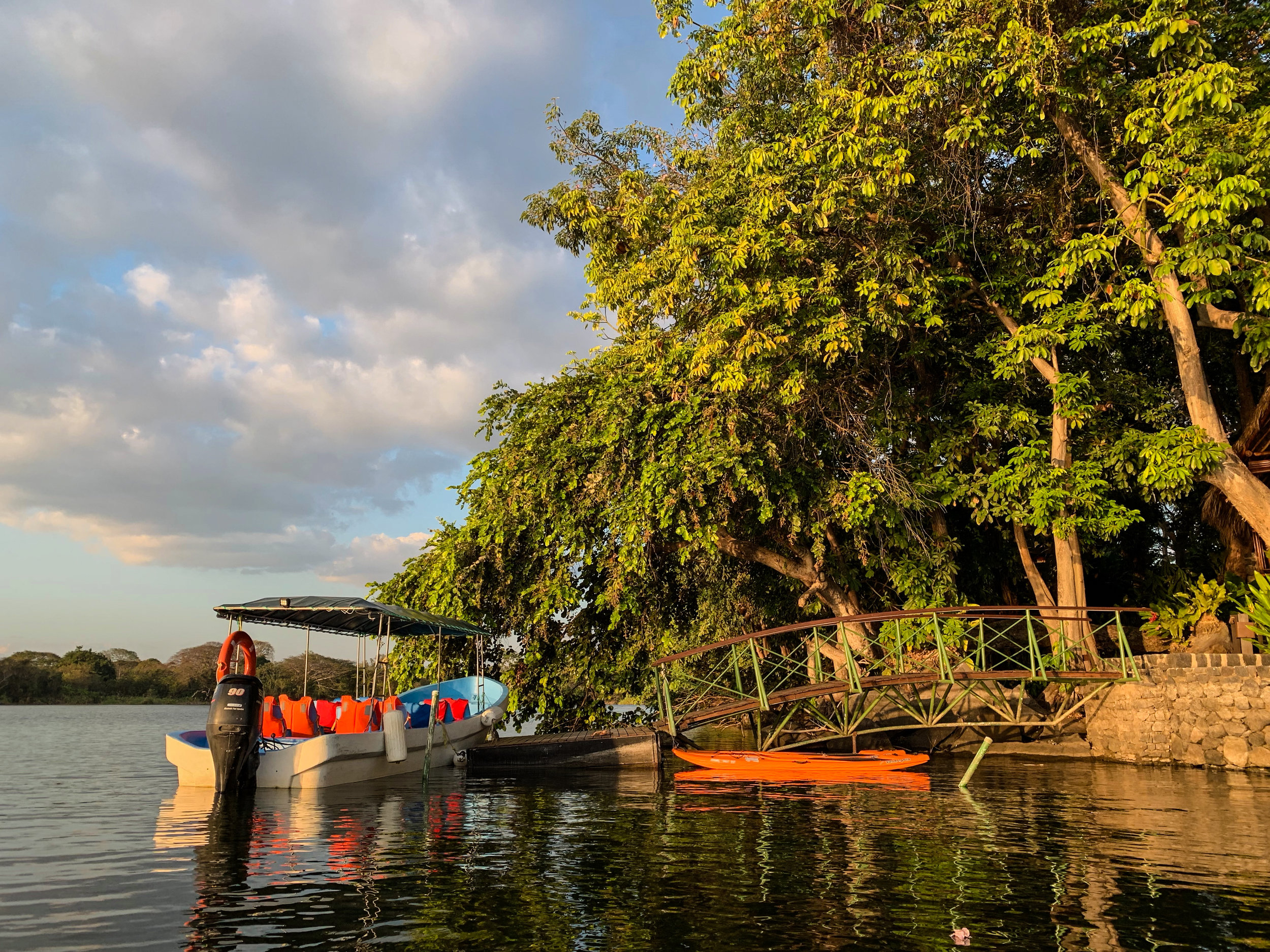
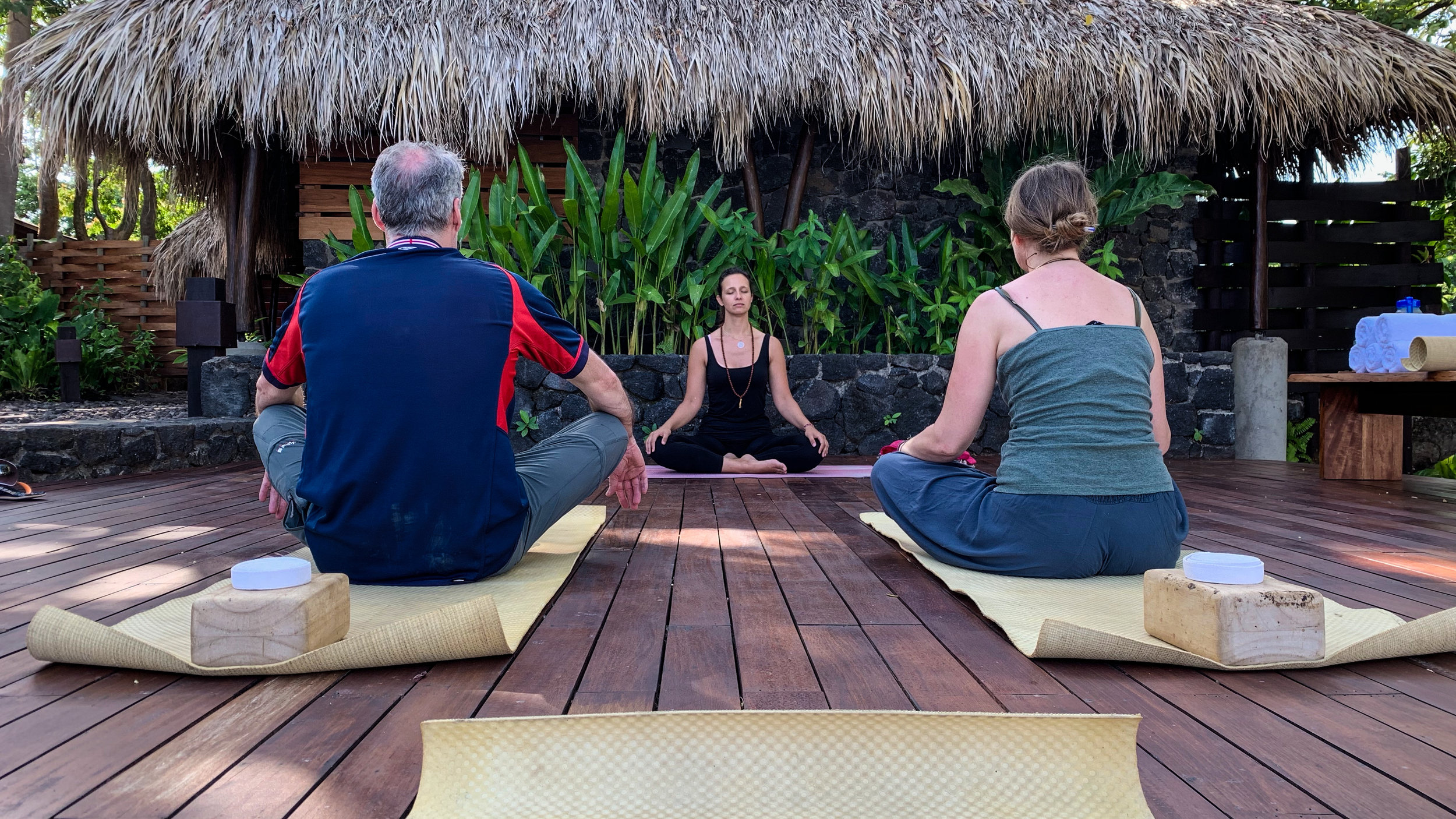
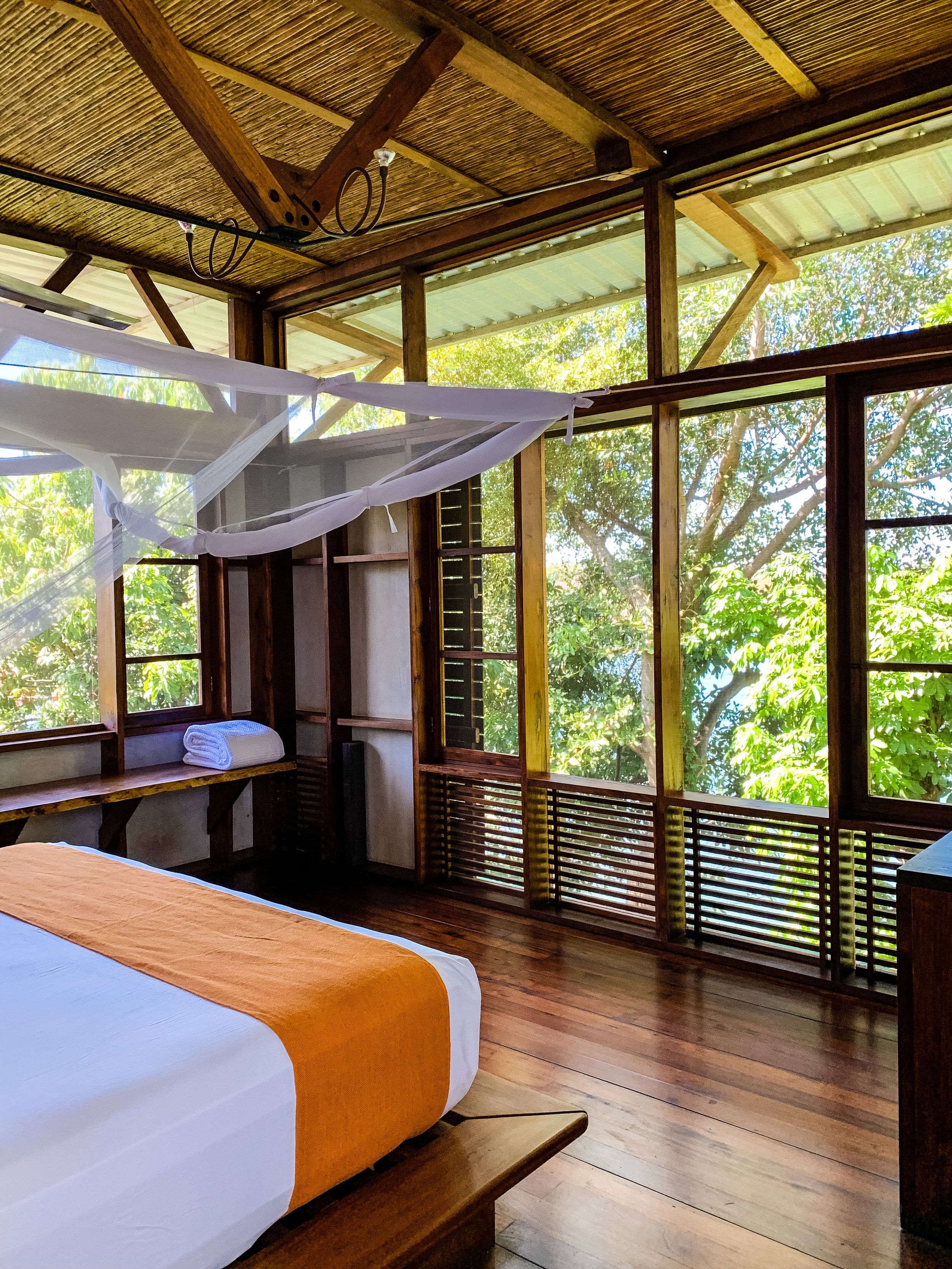
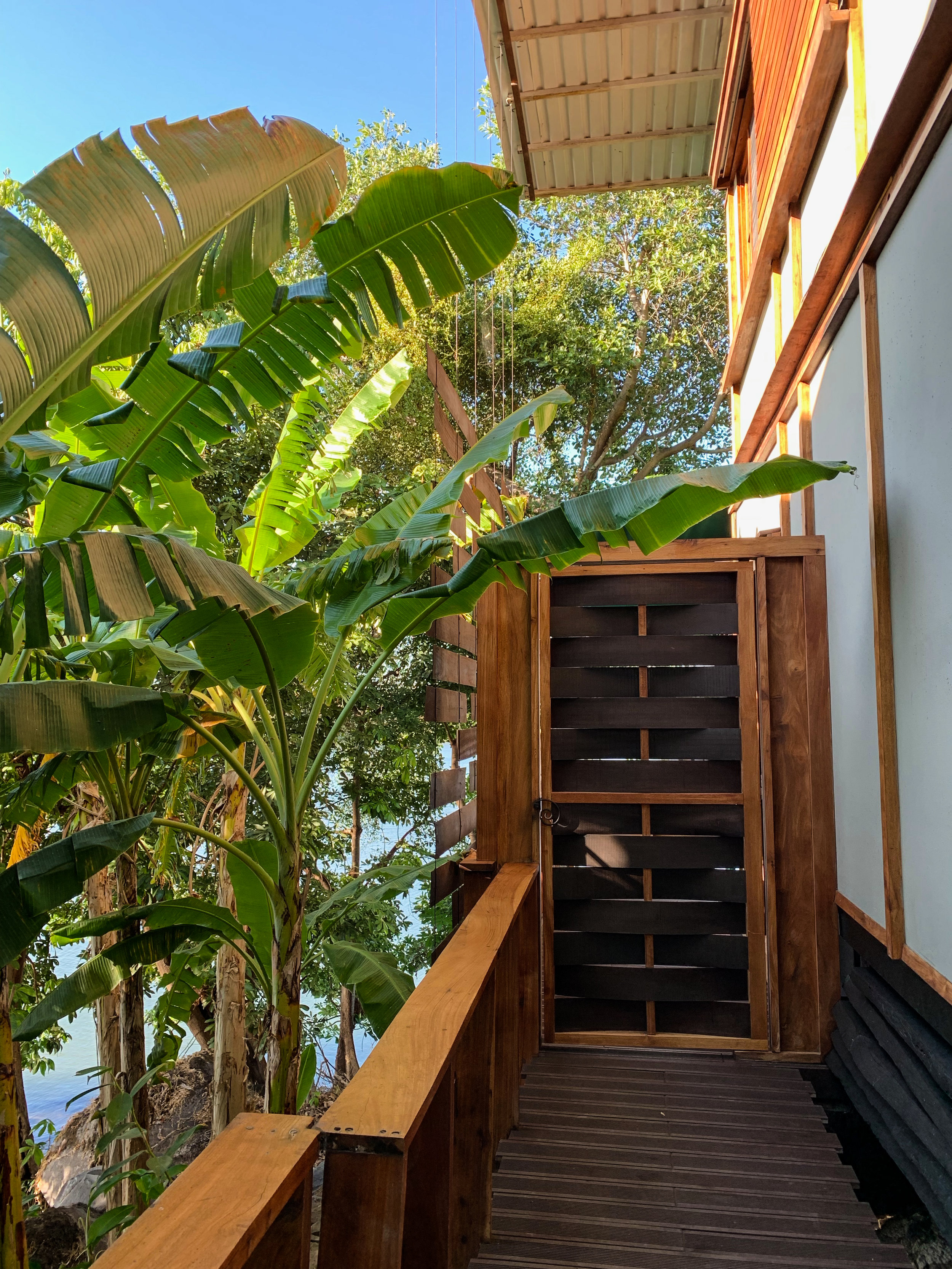
While the island is small with only nine “treehouse” casitas on stilts ringing its exterior, it packs a lot in. (See an aerial map of Jicaro Island) Yoga classes are offered complementary every morning, staff regularly host informal Spanish lessons, cooking & cocktail classes and at reception you’ll find a well-stocked selection of games, from giant Jenga to backgammon, chess and Monopoly, as well as birding books and binoculars. SUPs and kayaks are always available for guest use and the floating dock is a marvelous place to sunbathe and swim if you prefer the lake to Jicaro’s pool.
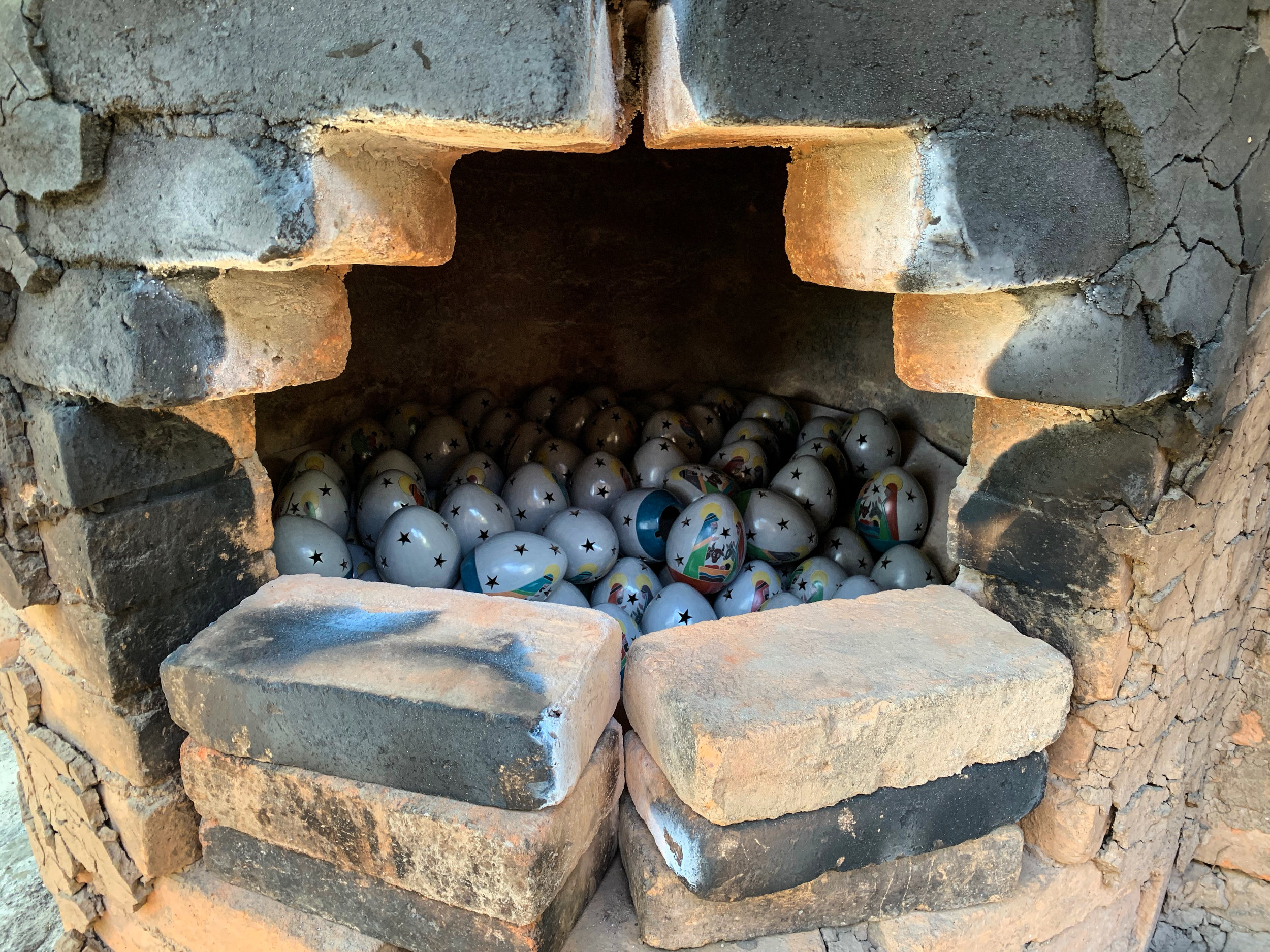
The Jicaro Island Tour Book is a great resource for guided excursions on the lake, in Granada and beyond. With a four night stay we walked Granada’s colorful streets and central market, hiked through the multitude of microclimates ringing Mombacho Volcano, visited the artisan pottery village of San Juan de Oriente (tried – and failed – to throw a pot on a wheel powered only by kicking), sampled traditional Easter sweets and learned about the folkloric dance traditions in Masaya town and of course gazed into Masaya Volcano’s churning lava lake at dusk. A fifth night would have been optimal to spend allow a full day to just chill on the island and make use of the water colors we packed.

Natural pigments and hand carved details are hallmarks of San Juan de Oriente’s unique style of pottery.
I always recommend that travel advisors combine Jicaro Island with Rancho Santana on Nicaragua’s southern coast. The two properties are perfect complements to each other. Begin with a few days at Jicaro to explore the volcanos, lakes and colonial towns near Lake Nicaragua then finish with 3 or 4 nights at the beach, or vice versa.


What’s the Deal with Altitude Sickness in Peru, and How to Avoid It?
Want to know about altitude sickness in Peru from someone who spent 10 years guiding there? This blog shares my personal experience, advice on what to expect, and preventative measures you can take for yourself and your clients.
What’s the deal with altitude sickness in Peru,
and how to avoid it?
I spent the better part of ten years living in Cusco and guiding hundreds of visitor through the Andes. The people I guided came from all walks of life, were of all ages, and spanned every fitness level from “never been hiking and have two knee replacements” to “I run a marathon every other week.” So, I’ve personally experienced about all that can be experienced when it comes to travelers dealing with the challenges of altitude in Peru.
Altitude issues in Peru is a major worry for most first time visitors, and “how will altitude affect my trip/affect my client’s trip” is the the most frequently asked question I receive. This blog shares my personal experience, advice on what to expect, and preventative measures you can take. But do note that this is not from a medical professional’s point of view, but from a practical sense as experienced during my years of guiding.
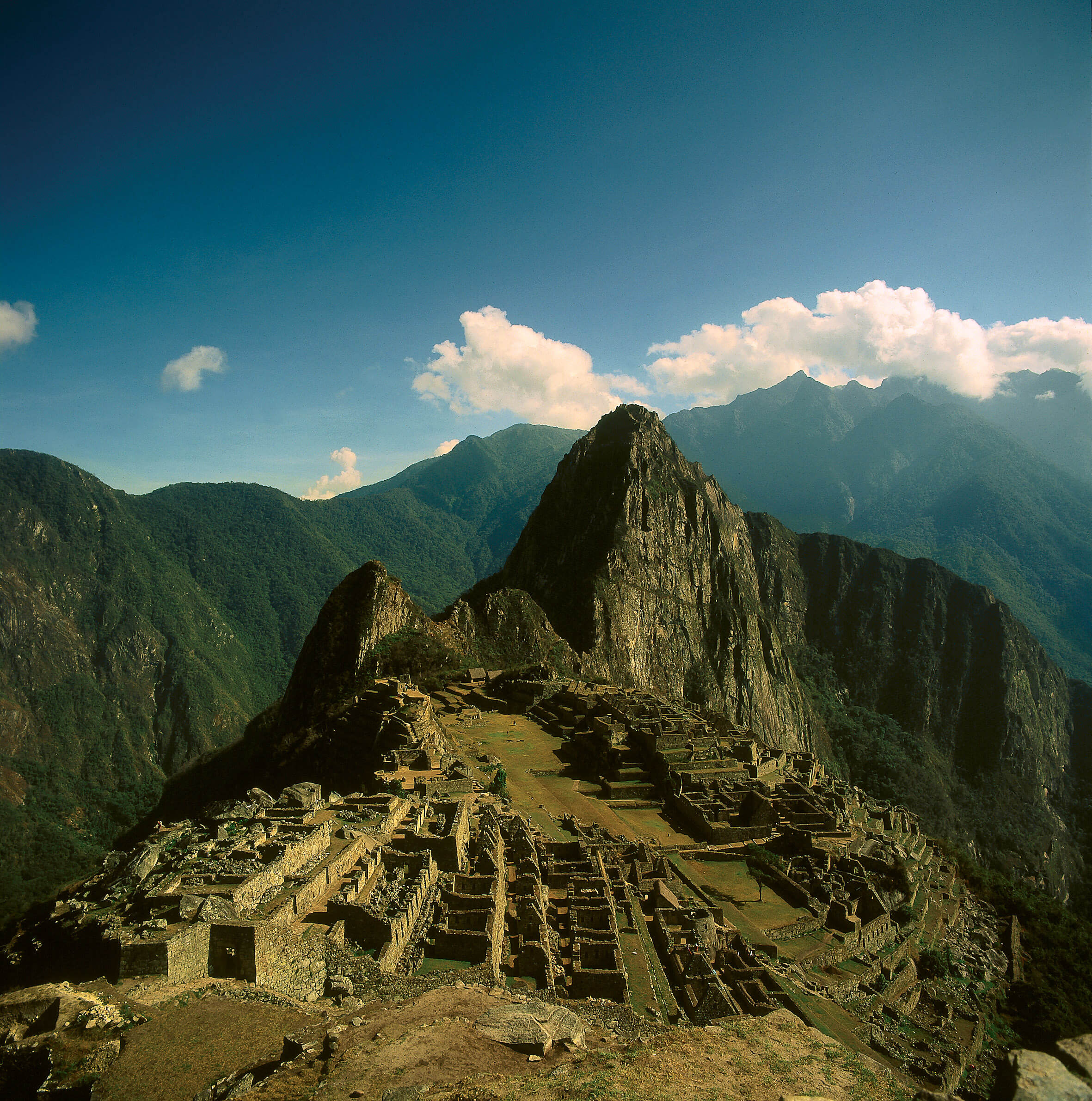
First, most people ask, “will I get altitude sickness?”. The straight answer to that is, “I don’t know, and neither will you, until you are there.” I’ve had guests as young as 3 and as old as 83 on trips, age doesn’t seem to matter. I guided an ultra-marathon runner who was used to running up to 120 miles at a time, ate a perfect natural diet and he was utterly destroyed from arrival until departure with altitude sickness. On the other end, I’ve guided many “party dudes” who insisted on lighting up a cigarette and seeking out a beer the moment they disembarked at Cusco’s 12,000ft rarified altitude, and suffered no ill effects whatsoever. So really, altitude sickness is indiscriminate, and effects every single person differently. You’ll never know how you fare until you get there.
But that doesn’t mean you should pour yourself a snifter of brandy, light up a cigar and leave it in the hands of the Pachamama. There are certain things you can, and should do, prior to your trip, and during your trip, to “stack the deck” in your favor. Let me elaborate on a few of them:
1) Intelligent itinerary design.
Just as people who climb Everest make their ascent slowly, and incrementally increase their altitude over time, a well-planned itinerary in Peru should do the same. Start low and end high. The graphic below from Inkaterra is an excellent one which shows the major points of interest in Peru and their respective altitudes. Here are the main visitor sites in ascending order:
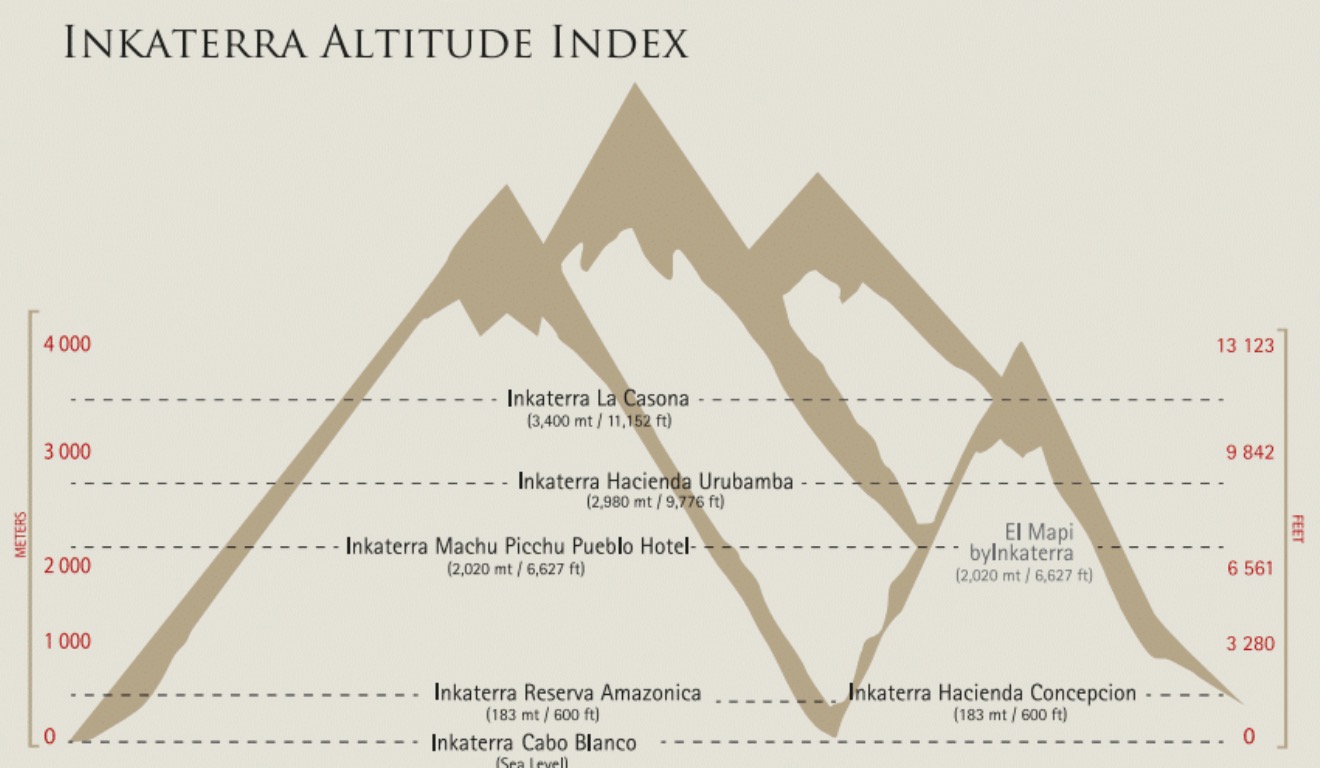
Lima: Sea Level
Amazon: 600ft (183 meters)
Machu Picchu: 6,627 feet (2020 meters)
Arequipa: 7,600 feet (2,315 meters)
Sacred Valley: 9,776 feet (2,980 meters)
Cusco: 11,152 ft (3,400 meters)
Lake Titicaca and Puno: 12,500 feet (3,810 meters)
Since most everyone coming to Peru will be visiting Cusco, the Sacred Valley and Machu Picchu – let me use that as an example. To get to Machu Picchu (which people are always surprised to learn is actually quite low in elevation and in the subtropical cloud forest) you must fly from Lima at sea level to the airport in Cusco at 11,100 feet. This is a huge jump in altitude in just a one hour flight. It’s generally not the best to land and sleep in Cusco as a first stop. It’s better to land in Cusco, and then get down to Machu Picchu at 6,600 feet by vehicle and train in one day. Or arrive in Cusco and take the one hour drive into the Sacred Valley to spend your first few nights at 9,776ft which is much easier to acclimate at than at the height of Cusco. It puts less strain on your body. For every thousand feet of increased altitude, the amount of oxygen in the air decreases exponentially, thus increasing the likelihood of experiencing altitude sickness. This is especially true after crossing 10,000ft elevation. So head first to Machu Picchu or the Sacred Valley, then come back to enjoy Cusco once your body is better acclimated from the time spent at a lower elevation in the Sacred Valley and Machu Picchu.
As another alternative, you could choose to make a stop in Arequipa or go to the Amazon basin as a first stop on your trip before tackling the higher elevations. And if you plan to do Lake Titicaca, make sure you do this as a last stop on the trip as it is one of the highest places most visitors to Peru go and the one where people are more likely to have issues.
2) The First 24 Hours is Vital
I know people are excited to land and hit the ground running in this beautiful and exotic destination, but if you can, force yourself to build in a rest day without anything planned on the day you arrive at altitude. It’s the single best thing you can do for yourself and will set you up for a wonderful trip in the days ahead. When confronted with altitude, your body must work extremely hard to build up more white blood cells to carry more oxygen. So let your body do this and don’t put any additional strain on it than absolutely necessary. Get to where you are going, and lay down to read a book, take a nap, watch some TV, or whatever, so long as you are moving your body as little as possible.
The air at elevation is also quite dry and your body needs to be hydrated to build up the white blood cells. Drink a TON of non-carbonated, non-alcoholic and non-caffeinated beverages in the first 24 hours and keep the intake up the whole time at altitude. You’ve probably heard of drinking “Coca Tea” in Peru, and yes it is good. I personally don’t think you are getting any therapeutic magic from the Coca leaves in acclimating, but it is a non-carbonated, non-alcoholic, and non-caffeinated herbal tea, so give it a try. Ultimately you are hydrating with it. Also your body digests food a lot slower at altitude, so digestion takes away energy from your body that it needs to acclimate. So eat small light meals that are easy to digest that first day and make sure to eat several hours before trying to sleep; a bowl of soup is perfect. If you can force yourself to do nothing the first 24 hours, drinks tons of liquids and eat light – you are doing the best thing possible to set yourself up for success, not just initially but for the entire trip. If you overexert yourself, drink alcohol and eat a huge meal – you are going to feel it, and it’s going to set you back in a major way on the road to acclimation.
3) Shall I consider taking altitude medication?
I’m not a medical doctor, but in my ten years guiding visitors at altitude in Peru I had way more negative experiences with people who arrived taking these medications than positive ones.
There is a prescription medication called Acetazolamide (brand name Diamox) that has proven effective for many at altitude. But this medication was not made for altitude, it was made for treating glaucoma. Here is why I don’t like it from a guide’s perspective: First, you need to start taking it a few days before you arrive at altitude and need to keep taking it. So you never really know or learn how your body naturally responds to altitude. Second, the medication is a diuretic, so it’s counter productive in one sense that you are trying to keep your body hydrated, but taking a medication that is making you urinate more frequently. And third, the biggest drawback I saw with many people is that there are a lot of strange side effects that the medication can produce. The main ones being tingling in the extremities, lightheadedness, and a weird metallic taste to carbonated beverages. These uncomfortable side effects often make people hyper aware of their body and thus produce anxiety for them, and make it impossible to determine if these sensations are because of the altitude, or in reaction to the medication.
If you have been to altitude before and know that your body has a terrible time with acclimating, then that is the one scenario where I think trying Diamox is a good idea. But for anyone else, building in time to acclimate naturally is the best course of action.
4) What about oxygen supplements?
There are a few hotels that market that they have “oxygen enriched” rooms. This is great if you plan to stay in your hotel the entire time while in the Andes, but is counterproductive to allowing your body to acclimate naturally if you are sleeping in a room full of additional oxygen.
Every hotel in the Andes generally has oxygen bottles at the reception desk and most tour companies have oxygen bottles in their vehicles too. These are used if someone is feeling very ill at altitude, are dizzy, can’t catch their breath or have a racing heart rate, often from overexertion on arrival. The treatment is to provide oxygen therapy of 10-15 minute increments as a boost, not to keep the mask on for hours at a time.
In summary, don’t worry about Altitude too much and certainly don’t let it put you off from coming to Peru. Millions of people every year come and very few have major issues. If you have the right itinerary planned, and take the precautions mentioned here, you are sure to have an amazing time.
Here below is a perfect itinerary in Peru, taking altitude into consideration, and staying at Inkaterra’s properties:
Day 1: Arrive Lima and overnight
Day 2: Fly from Lima to the Amazon in Puerto Maldonado to stay at Inkaterra Reserva Amazonica or Inkaterra Hacienda Concepcion.
Day 3: Excursion in the Amazon
Day 4: Excursions in the Amazon
Day 5: Fly to Cusco, drive to Ollantaytambo and take the train to Machu Picchu, staying at Inkaterra Machu Picchu Pueblo Hotel.
Day 6: Spend the morning enjoying the free activities on the hotel grounds of Inkaterra Machu Picchu Pueblo Hotel (tea plantation, orchid garden, bird watching, the spectacled bear project, etc) then head up to Machu Picchu after lunch around 2pm. There are far fewer people in the afternoon than in the morning, and the light is glorious. Sunset is often more spectacular than Sunrise in my experience. Spend a second night at the Inakterra Machu Picchu Pueblo Hotel.
Day 7: Take a morning train from Machu Picchu to Ollantaytambo in the Sacred Valley. Tour the Sacred Valley and overnight at Inkaterra Hacienda Urubamba.
Day 8: Additional day exploring the Sacred Valley and staying at Inkaterra Hacienda Urubamba.
Day 9: Drive to Cusco in the morning and explore Cusco and surroundings this afternoon. Overnight at Inkaterra La Casona.
Day 10: A full day exploring Cusco and a second night at Inkaterra La Casona.
Day 11: Fly back to Lima and depart, or extend your trip at this point to visiting Lake Titicaca and staying at Titilaka.

The Everyday Actions of Earth Day Heroes Across Latin America
Earth Day serves as a fantastic annual reminder to recycle more, plant a tree, and turn off the water when brushing one’s teeth. But what about the other 364 days of the year? We are lucky to partner with some of the boldest thought leaders and action takers in Latin America when it comes to protecting & bettering the planet.
The Everyday Actions of Earth Day Heroes Across Latin America
Every year, Earth Day serves as a fantastic annual reminder to recycle more, plant a tree and turn off the water when brushing one’s teeth. But what about the other 364 days of the year? When the crazy news cycle immediately pulls our attention in 10 million other directions, who is still prioritizing our planet’s wellbeing and keeping conservation & sustainability top of mind as daily guiding principles for operation?
In many ways, the travel industry has taken up this mantle, being uniquely poised to expose people with the means to travel to our seemingly dim global reality of pollution, habitat destruction and climate change. But it also shines a strong light on practices that prioritize environmental conservation, sustainable operations and projects that preserve local culture while also providing employment in impoverished areas.
We are lucky to partner with some of the boldest thought leaders and action takers in Latin America when it comes to protecting & bettering the planet. Changing people’s mindsets, taking real action against plastic and waste managements, creating protected wildlife corridors and creating jobs while preserving unique local culture. Here’s a roundup of some of the most impactful sustainability initiatives that your guests can experience at our hotels & lodges in Latin America:
1.) Promoting Appropriate Luxury at Galapagos Safari Camp
When Galapagos Safari Camp founders Stephanie Bonham-Carter and Michael Mesdag first climbed a tree and took in the mesmerizing view of the Santa Cruz highlands, they knew they wanted to create a low-impact hospitality experience connects guests with the fragile nature of the Galapagos Islands rather than another predictable hotel. Their philosophy of “Appropriate Luxury” applies to every decision they make in operating the Galapagos Safari Camp, from relying on rainwater collection to growing their own food and utilizing solar power whenever possible. Questions like “Why don’t the safari tents have AC?” or “Why doesn’t your lodge have Jacuzzi tubs or televisions?” are an opportunity to engage potential guests in a dialogue about the environmental costs of importing the resources (diesel generators and fresh water) to provide these “expected luxuries.” And begs the question that, as visitors to this natural sanctuary, why do we feel entitled to certain amenities that the resident population has learned to adapt without?

“Consider for a moment that the animals on land have adapted to the lack of freshwater. Giant tortoises can go for months without a reliable source of water, sea lions depend on the fish they eat for their daily intake and Darwin’s finches wait until the wet season to mate.”
GSC invites guests to adjust their own vision and expectations of what “should” be available and considered luxury, setting aside notions of ordinary opulence in exchange for truly engaging with a different and unique environment. Visit their website for a deeper dive into the concept of Appropriate Luxury.
2.) Waging War Against Waste at Machu Picchu: Inkaterra Machu Picchu Pueblo Hotel
What happens when an isolated archeological wonder without overland highway access attracts nearly 1.6 million visitors a year? A massive amount of waste is created and left behind, so much so that in 2016 the waste management crisis at Machu Picchu contributed to the Inca citadel being evaluated for UNESCO’s list of ‘World Heritage in Danger.’

To manage the impact of trash left behind by visitors, Inkaterra & beverage manufacturer AJE group have partnered to launch an organic waste treatment plant in Machu Picchu Pueblo. This will make the area the first in Latin America to manage 100 percent of its solid waste through pyrolysis, which decomposes the waste at high temperatures without oxygen. The plant has the capacity to process seven tons of waste per day to generate bio-coal, a natural fertilizer that will help with the reforestation of the Andean cloud forest and contribute to agricultural productivity in Machu Picchu.
This is in addition to other initiatives that the Inkaterra Association has already spearheaded in the region. To address the plastic waste left by tourists, they already operate a compacting and recycling center that processes a staggering average of 14 tons of plastic daily. And to discourage local communities, hotels and restaurants from disposing their used cooking oil into the Vilcanota River, Inkaterra helped build a biodiesel production plant to process used oil. The plant produces 20 gallons of biodiesel daily from nearly 6,000 liters of used oil a month.
Inkaterra — with properties in the heart of the Machu Picchu cloud forest, deep in the Amazon rainforest, in the city of Cusco and in the Sacred Valley of the Incas — creates authentic travel experiences, while preserving biodiversity and local cultures in Peru.
3.) Protecting Pumas Beyond the National Park: Awasi Patagonia

Chile’s Torres del Paine National Park is considered the best place on the planet on see the elusive puma thanks to an abundance of juicy guanacos to feed on and protection from hunters within park boundaries since 1972. An estimated 50 cats currently live within the park and studies indicate that their numbers are on the rise.
But what happens to the big cats when they roam beyond the borders or TDP where they are not protected? Close to 100 pumas are killed each year in Chilean Patagonia, mostly by sheep ranchers offering a bounty payout on puma skins. And as the puma population grows, along with the annual number of visitors to Torres del Paine, these solitude-seeking predators are more likely to wander beyond their invisible safety net.
To counteract this issue, Awasi Patagonia and the Awasi Puma Foundation have created a 11,000 acre protected corridor adjacent to the park, turning a former sheep farming estancia into a private reserve. Native grasslands and shrubs have been allowed to regrow after years of overgrazing and the private status of the reserve keeps human visitors to a minimum, allowing free and safe reign to its rightful inhabitants: guanacos, pumas, condors and other species.
While the Awasi Puma Foundation is relatively new, its impact is already measurable. Earlier this month, a guide at Awasi Patagonia spotted two rare Geoffroy’s Cats kittens on the private reserve, indicating that this seldom seen feline is thriving in the protected corridor adjacent to the park. Guests of Awasi can join a biologist researcher and guide on a special puma tracking excursion in the private reserve.
4.) Preserving Cultural Heritage: El Otro Lado & Bahia Portobelo Foundation
Portobelo was once the busiest city in the New World and the point for all trade between Europe and of South America, including the inhuman trade of enslaved Africans. A small group of slaves – the Cimarrones - won their freedom and established their own communities in and around Portobelo where they preserved and celebrated their African heritage.
With the creation of the Panama Railroad and Panama Canal, Portobelo’s usefulness as a trade port was eliminated. While economic opportunities flourished in Panama City and along the Canal Zone, the gap between the country’s rich and poor widened, aided by racism and little government support for infrastructure and education in remote areas. Along the Caribbean Coast, areas with indigenous or minority populations such as Portobelo were cut off from the prosperity of the other side of the country. Panama today is one of great contrasts and an income inequality comparable to Brazil and South Africa.

Founded in 1993 as the Portobelo Workshop, today’s Fundación Bahía de Portobleo, supported in part by El Otro Lado, works to improve the local quality of life by promoting socioeconomic projects within the community that also preserve & celebrate the community’s African identity. Guests at El Otro Lado are invited to discover the soul of Portobelo’s Congo Culture through drumming lessons or cultural dance performances with local students at the Escuelita del Ritmo (Little School of Rhythm) or art and woodcarving workshops at the art studio. Today, the foundation supports over 100 local students with free classes in music, dance, art and educational support. The facilities house five music rooms, a dance room, workshops, study halls, English and computer labs, a recording studio and a multi-use room for recitals, concerts and cinema. Much of the support comes through tourism, and the two hotels and restaurants fully run by the foundation, as well as El Otro Lado, account for the employment of over 100 local people.

FAM Trip to Panama, June 3-9, 2019
Join Kirsten in Panama June 3-9, 2019 and discover the country’s history, culture and unspoiled wild spaces at El Otro Lado and Isla Palenque.
FAM to El Otro Lado & Isla Palenque in June

Bahia Portobelo viewed from above lives up to its name, bestowed by Christopher Colombus
A space just opened on our FAM trip to Panama from June 3-9, 2019. Kirsten is escorting the trip, which spends three nights each at El Otro Lado in Bahia Portobelo on Panama’s Caribbean Coast and Isla Palenque in the Gulf of Chiriquí on the Pacific side. You can view the itinerary here.
Accommodations are single occupancy throughout, with meals, activities and transfers included as noted in the itinerary. The pace allows participants experience the properties and locations as a guest might, but still leaves room for site inspections & individually arranged meetings with DMCs in Panama City pre- and post- trip.
Cost is $400 per participant + airfare. Do you want to experience the best properties in Panama firsthand AND travel with a fun group of people? Email Kirsten kirsten@clarkkotula.com with inquires or to confirm the last spot!

Paddle boarding off the coast of Isla Palenque

Congo Dance performance at El Otro Lado

Latest News from the Properties - December 2018
Here is a roundup of the latest news and happenings from each of the properties, from faster boats and room improvements at Titilaka to the opening of a new spa at Hacienda Urubamba. In addition to updates from our existing properties, we also welcome UNESCO recognized El Otro Lado Private Retreat in Panama to the portfolio this year!
Latest News from the Properties
PERU

After a decade of innovation and setting the bar for exclusive & immersive luxury experiences on Lake Titicaca, Titilaka is in the midst of several renovation & expansion projects. These are being conducted in such a way as to not affect guests staying at the lodge and are set to conclude by mid 2019.
Chief among the improvements are:

Titilaka Corner Rooms
Outdoor hot tub and new-state-of-art motors for faster boats will be available (completed in November 2018)
All rooms, common and social areas as well as terraces are being redecorated while corner rooms are revamped with additional amenities
New services are being implemented including complimentary access to airport VIP lounge for all guest, Wi-Fi in all the hotel's vehicles and boats and enhanced culinary experiences are being put in place.
Titilaka is also adjusting their rates next year, the first increase since 2014. For clients desiring the utmost in privacy and flexibility, this is a great thing as the Titilaka Experience can now be booked on an all-inclusive, private basis. The traditional Titilaka Experience will also remain available for guests who want to participate in set excursions on a shared basis.
Lastly, the team behind Titilaka has announced plans to expand, with new lodges planned for Arequipa (2019) and Cusco (TBD). You can view a full presentation on Titilaka’s upgrades & changes here.

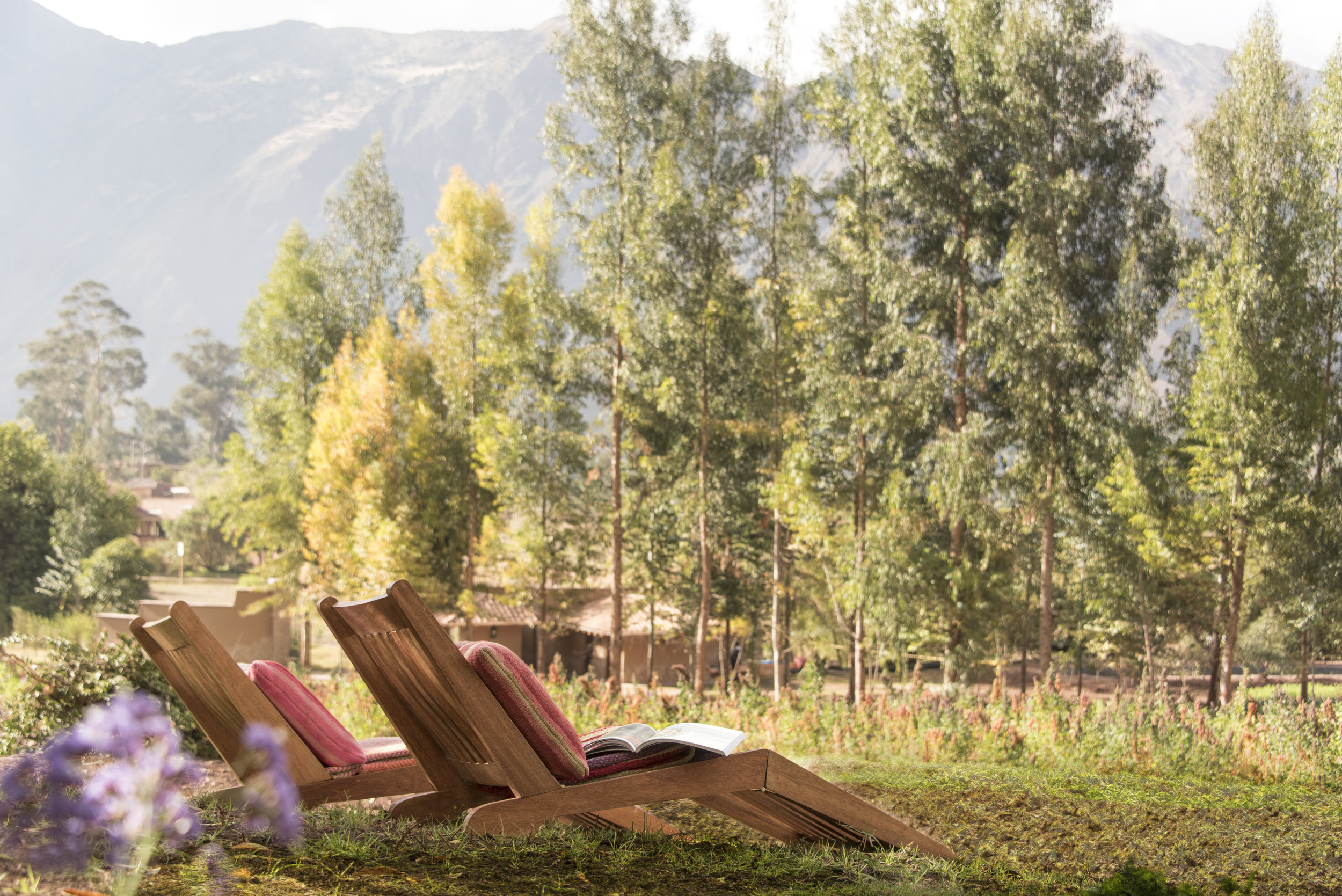
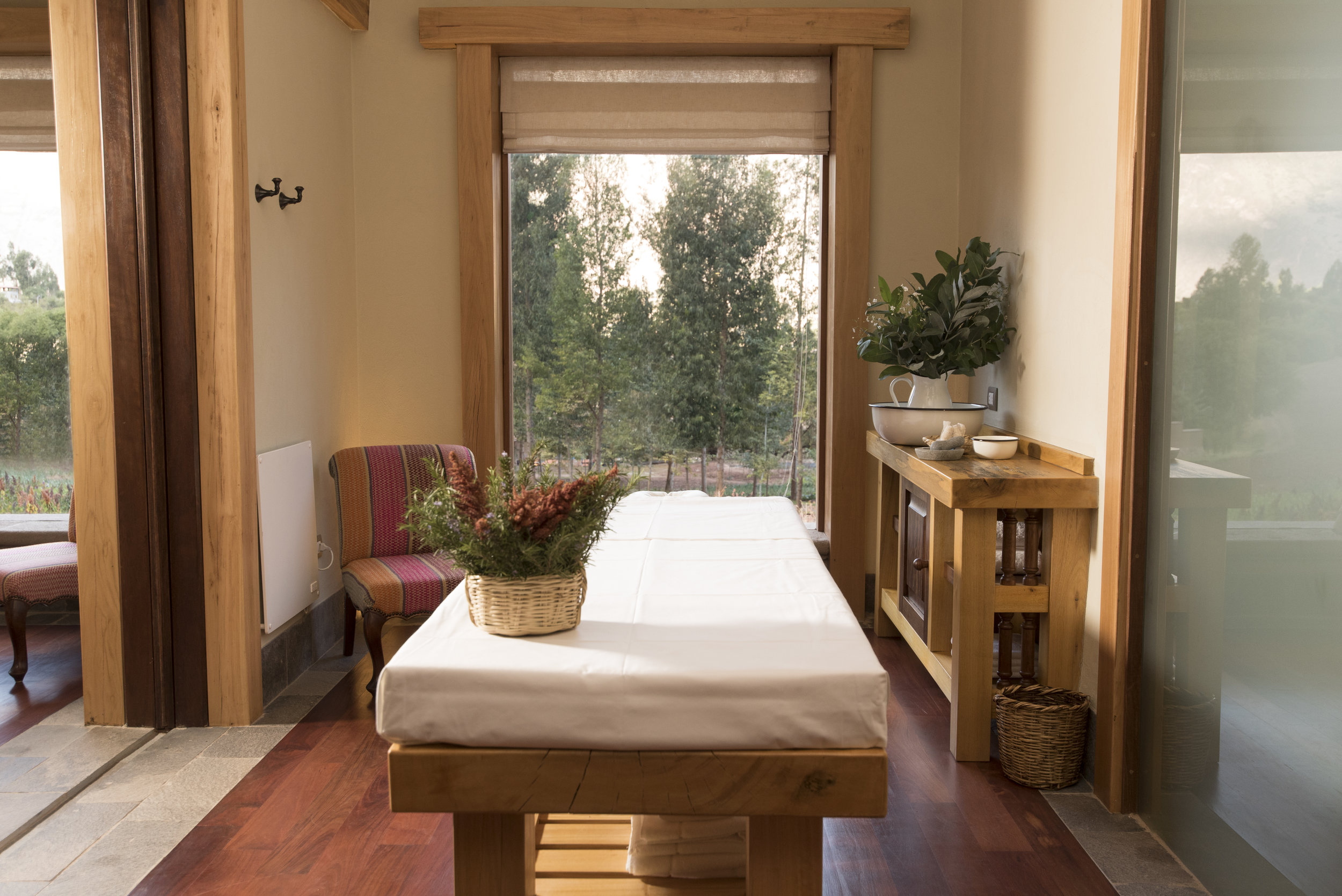
Inkaterra’s Hacienda Urubamba, a Virtuoso Property, recently celebrated the opening of Mayu Spa (“River” in Quechua) in August. With a rustic chic design inspired by traditional Andean architecture, Mayu Spa is located on a low hill between I Hacienda Urubamba’s organic orchard and an enchanting pepper tree forest. Treatments are based in 100% natural products derived from native medicinal herbs; the new wellness center has a plunge pool, four private therapy rooms and a dry sauna and offers a variety of massages, therapies, reflexology and facials. For more details, check out their blog post on Mayu Spa.




Some say that you hear the best stories while sitting at the bar. Axel Romero at Hotel B, the cocktail wizard who was recently awarded the Best Peruvian Bartender 2018 at the Summum 2018 Awards, knows the value of a good bar yarn and uses these as inspiration behind his cocktails. For this experienced bartender, each drink is a chance to write an exquisite and stimulating story in which spirits, juices and spices are cast in the leading roles. He is passionate about his career: after previously working at Astrid & Gastón for several years, he is now at Hotel B where he is committed to making each one of his drinks an experience. Read more about Axel and other winners of the Summum Awards (like the James Beard awards for Peru) here.

COLOMBIA

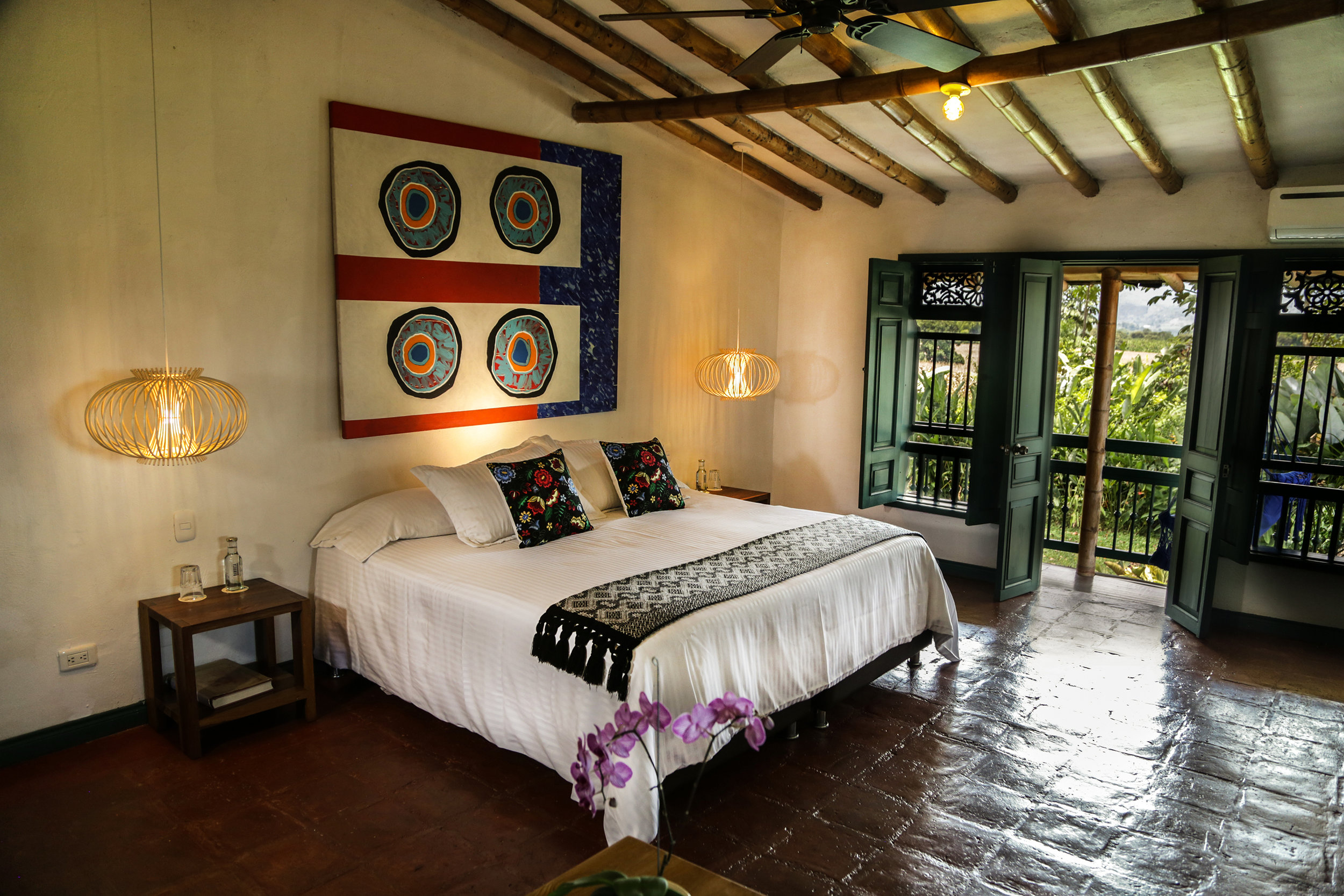
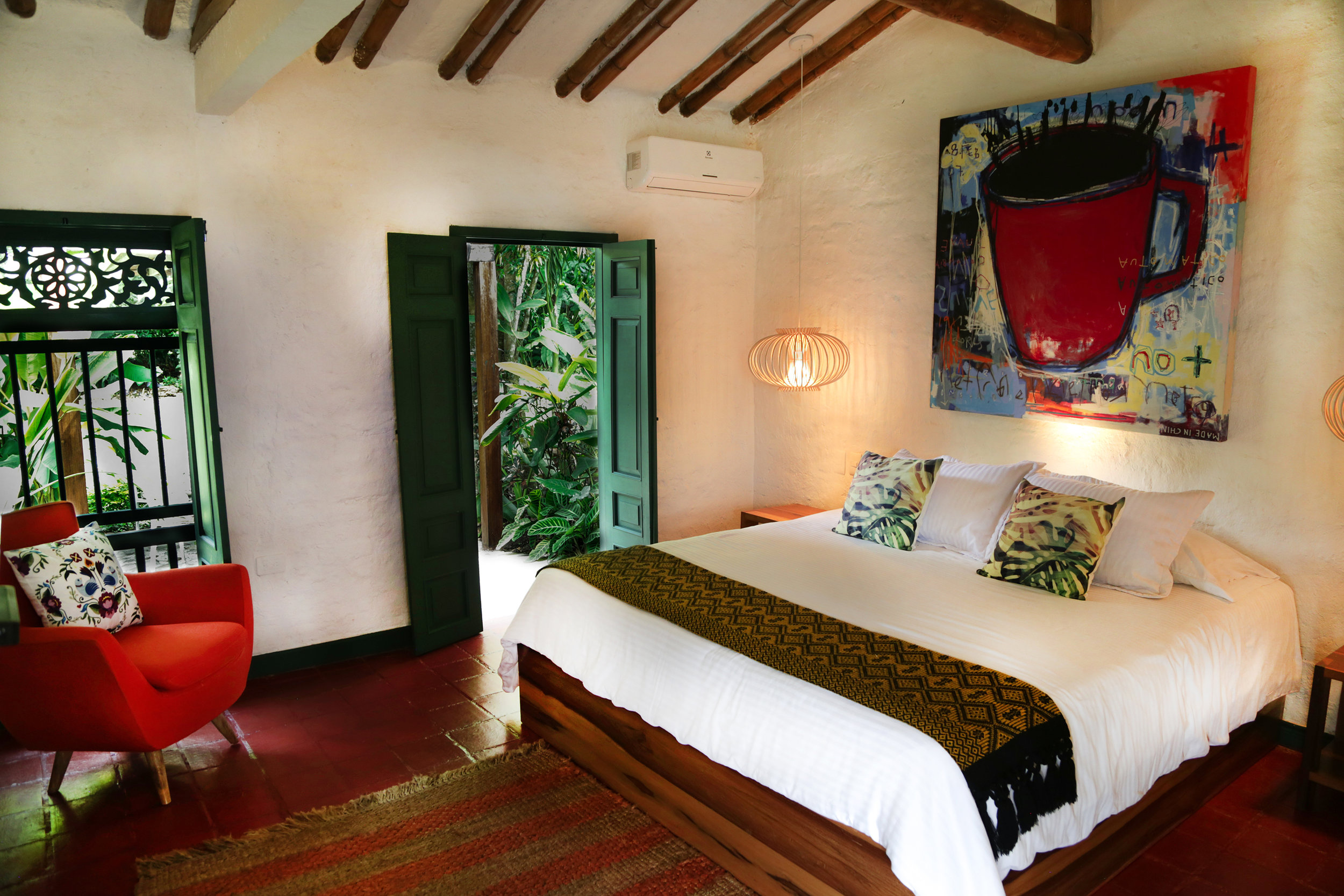
The team at Hacienda Bambusa has been busy in 2018, creating new activities & excursions and elevating the details of the 8 en suite bedrooms within the Hacienda. New photos are available via dropbox in the Hacienda Bambusa image library and the Activities Book can be easily shared with guests to help them select their desired excursions in advance. Choose the Best of Bambusa option for an all-inclusive experience and a great value for your guests.





COSTA RICA

To cope with increasing tourism in Manuel Antonio, Arenas Del Mar continues to pioneer new experiences for their guests to enjoy in the area. Coming soon are early morning visits to a private nature reserve with great wildlife viewing and mountain biking in the hills above Quepos.
Latitude 10 Resort in Santa Teresa closed for part of October & November to undergo renovations and has reopened looking better than ever! New king-size canopy beds in each suite, soft upgrades & in-room amenities, a completely revamped menu and on-site experiences (like complimentary on-site cooking classes and beachfront yoga) have completely elevated the Latitude 10 experience.
Kurà recently welcomed a new Spa Director (formerly of Hacienda Alta Gracia) and has completely revamped the menu at Spa Shà in addition to creating new breakfast, lunch and dinner menus. Ask about full board options for guests, available for booking on request.
Lapa Rios Lodge has added themed dinner nights to their menus - including BBQ, Dock to Dish Night (make your own ceviche) and “Comida Tipica” to showcase local foods enjoyed in Costa Rica. This gives guests staying 3 or 4 nights an excellent variety in meal choice and is also fun & interactive for families.
Lastly, the Cayuga Collection team has been hard at work opening Senda Monteverde, a new boutique lodge just a short walk from town and adjacent to a private Cloud Forest Nature Reserve. Senda officially opens on December 15 and to celebrate, is offering 10% when booked in conjunction with another Cayuga property. Details and restrictions are found via the link.
ECUADOR & GALAPAGOS

If you have any clients looking for a last minute "festive season" option, we just had some unforeseen prime date cancellations at Hacienda Zuleta in Ecuador. Couldn't think of a more welcoming place to be than with the Galo-Plaza family over the holidays - hiking and horseback riding during the day and feasting on farm fresh cheese and wine by the fireplace in the evening. You can either contact your DMC or email mariafernanda@haciendazuleta.com for updated availability over Christmas, New Years and into January.
If you are unfamiliar with Hacienda Zuleta, check out the video below for an overview on this gem of a property. If you would like a copy branded with your own logo as an intro, please send Clark your logo and he can provide it to you.

Mashpi Lodge has always maintained a great blog, but recent posts are particularly helpful for travel advisors from a sales perspective.
Seasonal Weather, Birds & Animals at Mashpi
What’s the Ride to Mashpi Lodge Like? (Good hour by hour breakdown of the journey from Quito to Mashpi)
Family Friendly Activities at Mashpi Lodge (Divided into younger children, older children and teens)

Galapagos Safari Camp owner Stephanie Bonham-Carter recently wrote a great blog post about “Appropriate Luxury”, a concept we applaud and support across all of our properties that operate in remote and fragile environments. Creating a luxury guest experience that is equally respectful of the natural world is a balancing act, and there’s a good reason you won’t find imported fish or out of season produce on the menu or air conditioning in your tented suites.
Check out the full post here: Appropriate Luxury in the Galapagos - The Safari Camp Approach and share this with your clients.
Galapagos Safari Camp also recently become of the Traveller Made consortia in November.

Do you have travelers staying at Casa Gangotena who like to get out and explore on their own?
Share these “Three Recommended Walks Through Quito’s Old Town” for suggestions on great self-guided walking tours to local markets, churches, down interesting side streets and to beautiful vista points. Quito’s Historic Center is best explored on foot and the staff at Casa Gangotena are always happy to suggest activities tailored to your client’s interests.
CHILE & ARGENTINA
Due to last minute cancellations, Awasi Atacama has space in January, which was previously 100% full. Here are the available dates for Awasi Atacama in January 2019.
6-10 January
10-15 January
14-17 January
18-23 January
25-28 January
28-31 January
Contact your DMC or info@awasi.cl to book. Additionally, Awasi Atacama welcomed new General Manager, Nicolás García to the lodge this month.
Need a moment of calm during the always busy month of December? Transport yourself into nature with this video from Awasi Iguazu.
Juan Pablo Culasso was born blind. He taught himself how to identify birds by listening to their song. He has become one of the world’s most respected bird experts; using just his ears, not his eyes. Listen to some of his recordings in Awasi Iguazú:
NICARAGUA

It was a hard year for Nicaragua & for Jicaro Island Lodge. After enjoying a hugely successful year in 2017, tourism in Nicaragua came to a standstill following political protests & violence that began in April of 2018. Jicaro Island was forced to suspend guest operations for a few months, though as many staff as possible remained employed throughout the temporary closure. Laying people off in a time of crisis only contributes to a desperate spiral and owner Karen Emmanuel used her personal resources to keep staff on the payroll through six months of closure.
With a quiet but emotional celebration on November 15, Jicaro Island Lodge officially reopened their doors to guests and Karen was there to share in the experience. In the video below, Karen shares her love for Nicaragua, especially the people who make Jicaro Lodge and the country so enchanting. Special reopening rates are available - contact your local DMC or reservations@jicarolodge.com.
PANAMA

We’re thrilled to welcome El Otro Lado Private Retreat into our portfolio. Located across the bay from Portobelo (which just received UNESCO recognition for the significance of the local Congo Culture), this colorful hideaway is an ideal base for exploring the Caribbean reefs, beaches and rainforests of Portobelo National Park, learning the fascinating legends of the likes of Sir Francis Drake and the pirate Henry Morgan, and immersing oneself in the colors, rhythms and flavors of the Congo Culture. Cozy details in the rooms and public spaces and a new wellness program also make it a perfect retreat to relax & recharge.
New in 2019, El Otro Lado will offer all-inclusive rates (full board, excursions, on-site activities & wellness experiences) and we’ll be hosting an extensive webinar on all of the changes and updates soon. In the meantime, enjoy this short video highlighting the best of Portobelo & El Otro Lado.

Panama is hot right now and Isla Palenque has been enjoying a fair amount of press. Check out the latest Town & Country issue for their guide on Where to Travel in 2019, featuring Panama and Isla Palenque.
Isla Palenque also recently announced their Dock to Dish program, making it the first hotel to Panama offer certifiably sustainable, community-sourced seafood through the award-winning program out of Montauk, NY. Learn more about the mission of Dock to Dish via the link to their website.


Private Excursions at Titilaka
Titilaka offers guests the most immersive and authentic cultural experience possible at Lake Titicaca through their exceptional guides and partnerships with the local communities surrounding the lodge. But for guests desiring even more exclusivity and flexibility on their visit to Lake Titicaca, consider the Titilaka Private Experience.
Private Excursions at Titilaka
When Titilaka first opened in 2008, it immediately provided visitors to Lake Titicaca with a more authentic and immersive way to experience the second most visited site in Peru. Rather than joining the masses in Puno on contrived and cheaply operated boat trips to the Uros Islands, Titilaka's location gives guests direct exposure to the surrounding local communities and by proxy, keener insight into their culture and traditions which date back thousands of years.

Titilaka Boathouse with all of the toys. Instructors are on hand to help guests learn the ropes of various craft.
But Ignacio Masias, owner of Titilaka, and his team don't like to rest on their laurels. They are constantly inventing experiences that are unique, tasteful, have a positive impact on the local community and allow guests a high degree of personalization and flexibility. A few years ago they debuted the Titilaka Boathouse, home to a fleet of kayaks, canoes, paddle boards and sunfish sailboats that guests can use to explore the lake at their leisure. More recently they worked with a few families on Taquile Island to develop an elevated lunch experience on the popular "Islands of Lake Titicaca" day tour that was a better complement to the dining guests experience at Titilaka. And in 2018, Titilaka debuted "private excursions", giving guests the ultimate ability to design their Lake Titicaca experience with their own private guide.

Biking, lunch and views - just for two with the Titilaka Private Excursions option
The private Titilaka Experience includes a designated guide, vehicle or boat for a group of up to 6 travelers. For questions or more information, please contact reservations@titilaka.pe or Enrique Petit at enrique@aeco.pe .

Private weaving demonstration on Amantani Island. In contrast to nearby Taquile, where men do the weaving, women are head of the communities and handle to weaving on Amantani.

Ten Reasons to Choose Kurà Design Villas
In June 2018, Kurà Design Villas joined Virtuoso, becoming the first designer boutique hotel within Costa Rica to join the Virtuoso Consortium. We know that your Virtuoso travelers will love the adults-only experience on this property. Following are just 10 of the reasons to choose Kurà Design Villas for your clients.
Ten Reasons to Choose Kurà Design Villas
In June 2018, Kurà Design Villas joined Virtuoso, becoming the first designer boutique hotel within Costa Rica to join the Virtuoso Consortium. We know that your Virtuoso travelers will love the adults-only experience on this property, but the location in Uvita always elicits questions. Specifically, why would I go to Uvita (and where is it) and what is there to do at Kurà? Following are just 10 of the reasons to choose Kurà Design Villas for your clients.

1.) Because of These Views
Kurà is situated above Uvita on Costa Rica's Southern Pacific Coast, overlooking Marino Ballena National Park below. When the tide retreats, a huge sand bar in the shape of a whale's tail is revealed. Fittingly, this waters surrounding the whale's tail offer some of the best Humpback whale watching on the planet.

2.) Whales Galore
People always think of Alaska, Baja and Antarctica when it comes to whales, but Costa Rica and Marino Ballena National Park in particular offers the longest Humpback whale watching season in the world. For 8 months out of the year, both Southern hemisphere humpbacks traveling from Antarctica and Northern hemisphere humpbacks traveling from Alaska frequent this segment of Costa Rica's Pacific coast where they mate, give birth and raise their calves. The best time to visit for whale-watching is mid-July to October and December to March. Dolphins, orcas and sea turtles are also visible here year round.

3.) Because You Love Design That is Clean, Beautiful and Sustainable
Costa Rica has a plethora of hotels with ocean views and beautiful rooms, but there is nothing like Kurà. The passion project of biologist Alejandra Umaña and architect Martin Wells, both Costa Rican, Kurà is a locally owned property that was crafted from local and sustainable materials and operates with minimal environmental impact. Design elements are modern and minimalist (instead of cluttered and palm thatched) and immerse guests the nature surrounding them through the floor to ceiling glass walls. The hotel operates almost entirely "off the grid"; solar panels provide electricity and heat, water is sourced from a nearby spring (and then recycled for garden needs) and a greenhouse supplies produce and herbs for the kitchen.

4.) Experience the Wild Osa Peninsula - For the Day
For those who want to sample the wild & pristine rainforests of the Osa Peninsula & Corcovado National Park by day, but return to a world of pampering and creature comforts at night, Kurà is for you. The Osa Peninsula has been hailed as one of the "most biologically intense place on the planet" by National Geographic, and accounts for an astounding 2.5% of the world’s biodiversity in just 0.001% of its surface area.
Guests at Kurà can either travel by boat (1.5 hours) as part of a small group to the San Pedrillo Ranger station for a day of hiking along an array of the Corcovado's trails or charter a small plane or helicopter to explore the park with a private guide. Either way you're sure to see some of Corcovado's legendary wildlife - macaws, sloths, tapirs, all four species of monkey and more!
(For travelers who want more rainforest immersion, send them to Lapa Rios or combine Lapa Rios with Kura for the best of southern Costa Rica.)

5.) Because The Pool is Super Cool
Where else can you perch on submerged benches to gather around a "bonfire" that is floating on top of the water, listen to your favorite tunes while you swim laps underwater or lose track of the separation between the ocean and the sky? Kurà's infinity pool (chemical free and designed by Wells) is both out of this world and totally instagrammable.

6.) No Kids Allowed
Whether you are leaving the kids at home to rediscover and reconnect on a romantic trip with just your partner, or because you elected to not have children and don't want to spend your vacation being surrounded by them. Even adults need their own clubhouse, and at Kurà, the only rule is No Kids Allowed. (Unless of course you do a private takeover of the entire hotel. Then they'll let you write your own rules.)

Does anyone actually hang out like this?

Silvia Solis - General Manager at Kura
7.) Staff Who Makes You Feel at Home
From salsa dancing siblings (three siblings from the Leiva family) to sweet Lalo who carefully shuttles guests between Kurà and the beaches of Uvita, Kurà employs nearly 40 staff directly from the local community. They are a tight knit group, and when you stay at Kurà, you're part of the family. Expect friendly and anticipatory service, strong and delicious drinks delivered poolside, insight into Costa Rican customs and indigenous culture and plenty of sincere pura vidas! You'll may initially go for Kurà's views and style but you'll return for the staff.
(Kurà Design Villas and all of the hotels within the Cayuga Collection recently collected a prestigious Tourism for Tomorrow Award in the People Category, an honor that recognizes outstanding achievement in sustainable hospitality. It's an extremely tough award to win...within our portfolio of hotels, only Inkaterra has one as well.)
8.) Daily Beach Access is a Breeze
While Kurà isn't a beachfront property, they do offer daily complimentary shuttle service to the wild and un-manicured beaches of Marino Ballena National Park. Rent a board in Uvita and surf the easier beach breaks, walk out to the tip of the Whale's Tail formation at low tide or scan the ocean for surfacing cetaceans. Just don't expect lounge chairs and beach service - this is a National Park and feels more like the set for 'Castaway' than a Sandals resort.

Remote beaches revealed at the Whale's Tail during low tide
9.) Because you Can Go Birding From Bed.
Or practice your Spanish. Learn about the native Boruca indigenous group, carvers of the gigantic wooden masks that adorn Kurà's walls and Diablitos Bar. Try your hand at preparing ceviche, craft cocktails and patacones. Take a yoga class. Or relax and enjoy a deep tissue massage at Spa Shà...all without leaving Kurà.
And if you do want to head out and explore your surroundings, the staff is happy to arrange a multitude of vetted excursions with local guides. Check out the Tour Book to learn more about what is available in the area.

Discover the canopy and its winged occupants right outside your bedroom with bedside field guides and high quality binoculars.

10.) Because You Don't Even Need to Leave Your Room to Have Fun
Huge double showers with 'creative' lighting features. Hammocks built for two. Seclusion and privacy. Kurà Design Villas was made for romance. Use your imagination...
For 2018-2019 Virtuoso Exclusive Amenities at Kurà include:
Upgrade on arrival, subject to availability
Daily a la carte breakfast for two
One complimentary 3-course lunch or dinner for two people, excluding alcohol, tax and gratuituy
Poolside "Mini Massages" (20 minutes) for two people
Early check-in and late check-out, subject to availability
To include Kurà in your clients' next trip to Costa Rica, work with the hotel directly at reservations@kuracostarica.com or contact your preferred On-Site or Tour Operator and let them know that you are a Virtuoso agent.

Updates & Enhancements at Arenas Del Mar
Arenas del Mar celebrated ten years in November 2017. To commemorate a decade of creating exceptional holiday memories in one of Costa Rica’s most sought after destinations, the resort further elevated the guest experience. Read on for a complete review of what’s new and not-to-miss on your client’s next stay at Arenas del Mar.
Updates & Enhancements at Arenas Del Mar

Arenas Del Mar, the only luxury beachfront resort in Manuel Antonio, celebrated ten years in
November 2017. To commemorate a decade of creating exceptional holiday memories in one
of Costa Rica’s most sought after destinations, the resort further elevated the guest experience
with refurbishments and improvements both small and large. Read on for a complete review of
what’s new and not-to-miss the next time you book Arenas Del Mar for your clients.
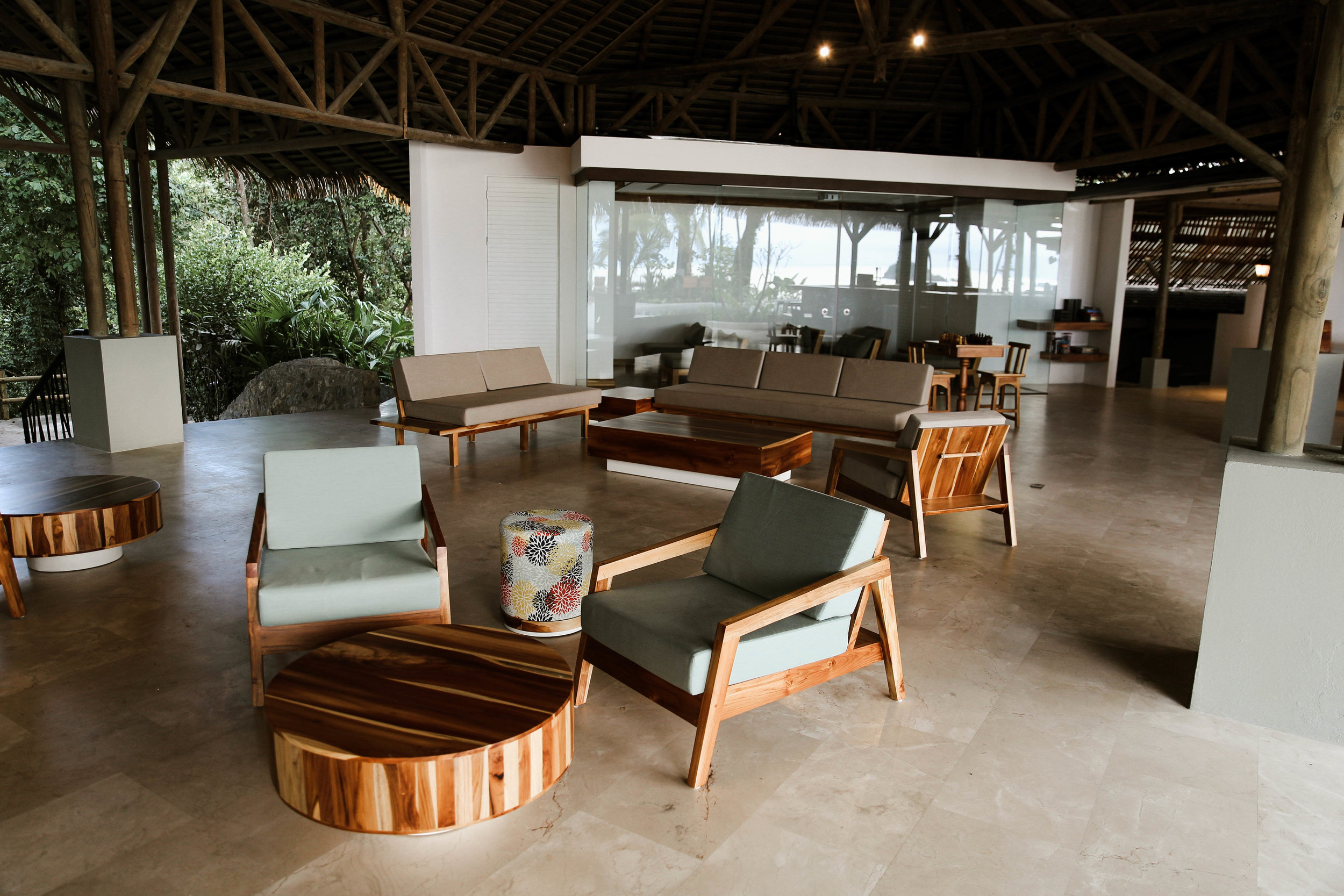
El Mirador Lobby & Lounge
The Mirador Lobby and Lounge has a whole new look. Teak replaced bamboo in the public spaces, creating an open-concept floor plan that is lighter and brighter, with more areas carved out for relaxing and lounging. There’s also a new tienda highlighting locally made products and a welcoming Concierge Desk where the dedicated team is at the ready to arrange tours in and around Manuel Antonio or confirm dinner reservations.

In the lounge, you’ll find a fully redesigned bar where friendly bartenders will mix your
favorite cocktails, or encourage you to step behind the counter and master the art of mixology
for yourself. Within view of the bar is a glassed-in entertainment room, perfect for weekly screenings of kid-friendly movies, or reserving for private events such as a family-reunion screening or a small meeting.

The pool overlooking Manuel Antonio National Park has been expanded, with an infinity edge
and comfortable teak loungers across the deck for more refined relaxation. And while it may appear that traditional palm thatch still makes up the roof of El Mirador, look closer and you’ll see that this palm-frond look-alike is actually a recycled plastic material. Manufactured by Palmex, a Canadian company that repurposes the plastic used in fruit shipments, this plastic roofing does not contribute to deforestation, is fully recyclable, lasts 20 years and doesn’t break down or attract bugs like traditional palm thatch.

Swanky teak loungers...
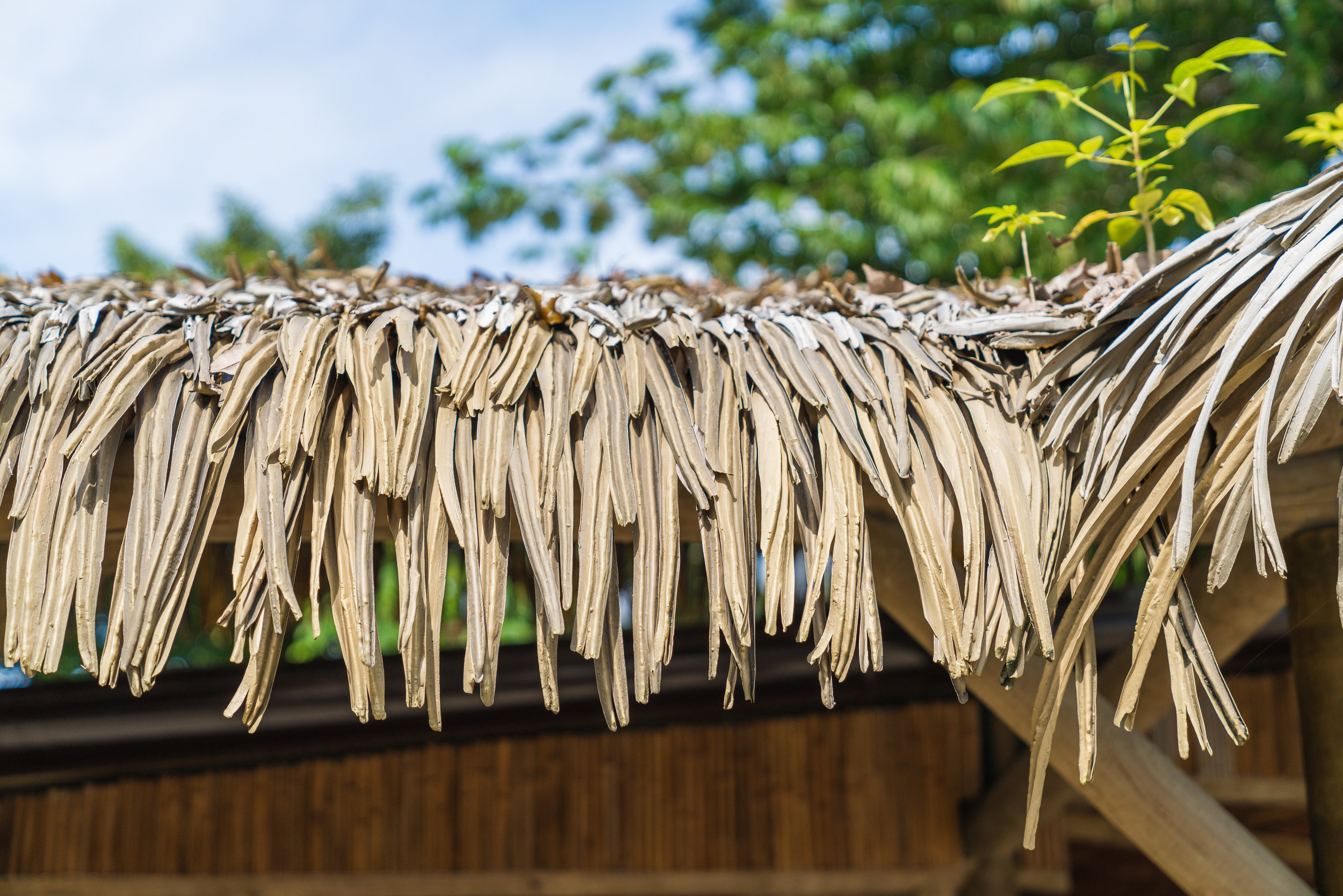
And sustainable recycled Palmex thatching.
Restaurants and Menus Revamped
El Mirador, the fine-dining option with views over Playa Espadilla and Manual Antonio, has reopened with a new menu, a rotating true catch-of-the-day selection courtesy of the Dock to Dish program and a continually evolving list of International Guest Chefs. This culinary program invites top talent from around the world to come to Arenas Del Mar, use their imaginations and put their hallmark twists on local Costa Rican ingredients. Past participants include Tory McPhail & Juan Carlos Gonzalez (Commander’s Palace), Chip Roman (Blackfish), and Jennifer Carrol (Requin & Bravo’s Top Chef Season 6 Finalist) among others.

Chef Pablo Bonilla recently visited Arenas del Mar to highlight the gastronomy of Costa Rica's indigenous Bribrí, Cabécar and Boruca tribes

Beachfront dining continues at Playitas, which has introduced themed dining evenings such as “Costa Rican Street Food” or Beach BBQ for a greater variety of casual and kid-friendly options that will still please foodie parents. A revamped regular menu is also in the works and will be released soon.
Room Soft Refurbishments
All Ocean View & Ocean Breeze Superior Guest Rooms and Suites now have teak furniture inside and on decks – the darker wicker and bamboo is gone. A complimentary mini-bar stocked daily with assorted typical “Tico Snacks” as well as local beverages is standard, and thankfully close at hand when a sudden 'snack attack' happens after a day of swimming and playing on the beach.

While all rooms are fully air-conditioned, guests can fall asleep to the sound of waves lapping the shore; sliding screen doors feature interior locks to allow the breeze in but keep the rainforest critters out. In the Suite Categories, living rooms adjacent now feature trundle beds in lieu of pull out sofa beds. This means that two children can comfortably sleep on separate mattresses in the living room while adults can share a king bed. Remember, kids 11 and under are FOC when sharing a suite with adults. Throughout 2018, Arenas Del Mar will continue to update their rooms. Plans include replacing veranda railings with ‘infinity glass’ and installing new bathroom fixtures.
Activities & Wellness
Manuel Antonio is adventure central on Costa Rica's Pacific coast and Arenas Del Mar provides
more in-house activities than anywhere else. New kid-friendly programs are implemented weekly, including movie nights, mask painting, themed food evenings, beachfront soccer and volleyball games, trivia and other interactive experiences led by the amazing staff, giving parents a quick break to enjoy a quiet cocktail or meal together.

Arenas Del Mar recently debuted their new Surf and SUP school. Two enthusiastic instructors
from the local community teach surfing basics on soft and sandy Espadilla Beach where guests have access to a whole fleet of new soft top boards in a variety of sizes. Book a private lesson or learn with a small group in the gentle waves on this sandy and soft stretch of beach. Kayak and snorkeling tours, led by in-house naturalist guides are also under developments and will debut soon.

Lastly, weekly yoga and fitness classes are now available on a complimentary basis. Join one of the on-site instructors for a morning cardio burn on the beach or stretch it out next to El Mirador Pool. Complimentary Group Yoga is offered 5x/week during peak season and 3x/week during the Green Season. Private instruction is always available for an additional fee. A schedule of classes is posted in El Mirador Lobby or guests can just inquire with any of the staff to learn more.
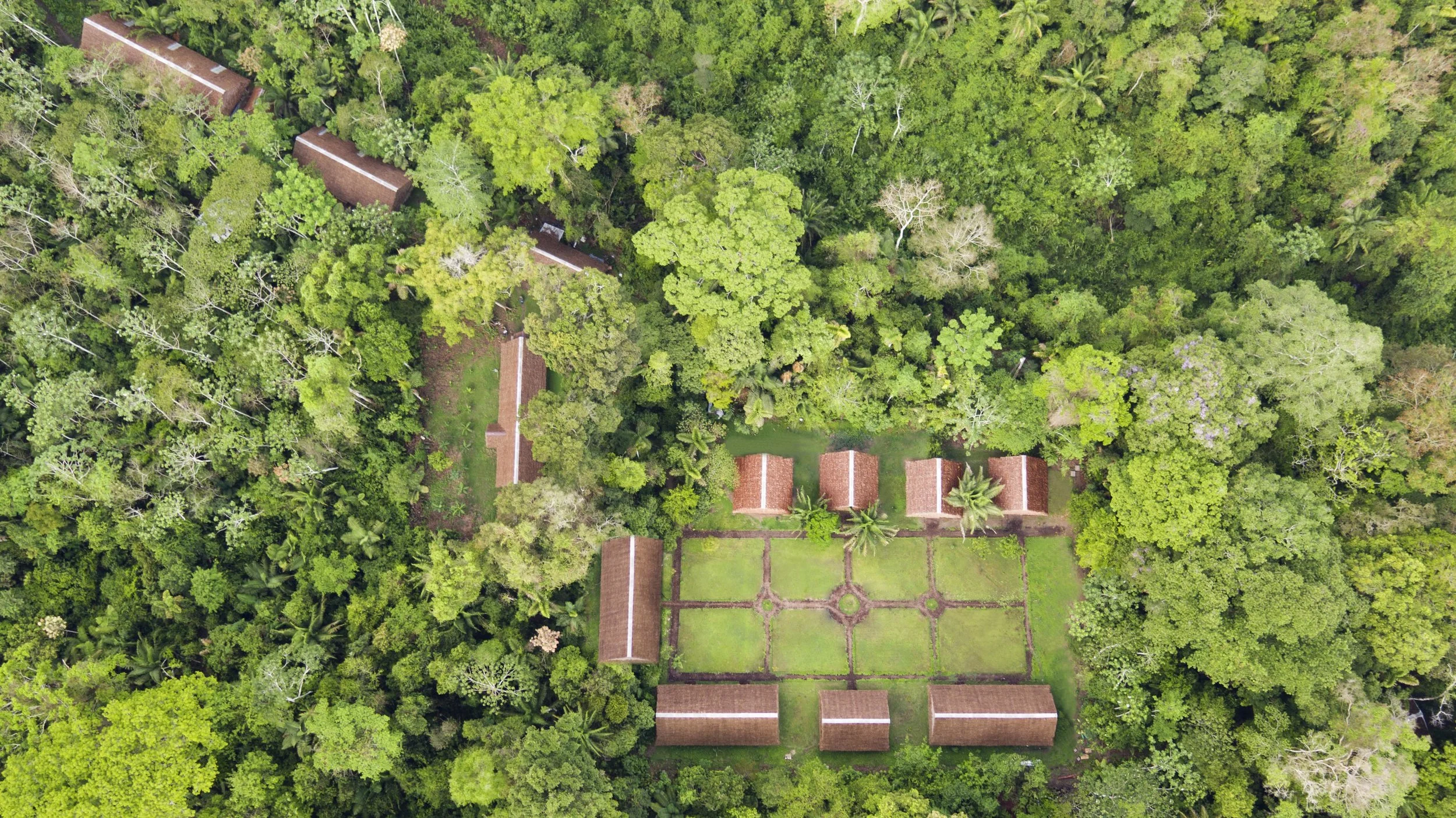
Summer Trips that Transform - Inkaterra Guides Field Station
Through opening the Inkaterra Guides Field Station to guests, Inkaterra has come full circle in their mantra of spreading “conservation through tourism”. The educational aspect of staying at their other more well-known luxury properties around Peru is not just an enhancement; it is a fully integrated experience for those seeking out a transformational travel experience.
Immerse Yourself in Amazon of Southern Peru at Inkaterra Guides Field Station

Many visitors are happily surprised, if not shocked, when they check into one of Inkaterra’s luxury properties in Peru like the Inkaterra Machu Picchu Pueblo Hotel to discover it contains the world’s largest collection of native orchid species (372) in the world and an Andean Spectacle Bear Rescue Project. Or to learn that they are sleeping in one of Cusco’s most historic and meticulously restored XVIth century mansions, the same very place Simon Bolivar once called home, when arriving to Inkaterra La Casona.
Most guests learn, only upon arrival, that their Inkaterra luxury hotel (usually chosen due to rave reviews, luxury hotel association affiliations and glossy travel literature or awards) is actually integral to the broader aims of the non-profit Inkaterra Association (ITA). The Inkaterra Association is self-funded through ecotourism profits and is committed to scientific research as a basis for biodiversity conservation, education and the preservation of Peruvian culture and history.

Guests staying at Inkaterra properties not only support ITA by funding this vital work through their hotel choice, but in turn, their experiences staying at these properties are enhanced by learning about the rich cultural and natural heritage that Peru contains, the threats facing its well-being, and the steps ITA is taking to confront them. It’s the “ah-ha” moment where luxury travelers turn into eco-tourists and begin to seek out, on future travels, properties and experiences that are not just extremely well appointed, but are also educational, interactive and focused on giving back.
Understanding that today’s travelers, or those turned on to this style of travel from previous stays, are now, at the outset seeking out a more experiential style in their hotel choices, as opposed to solely tangible luxury amenities – Inkaterra has opened the doors of its Inkaterra Guides Field Station, deep in the Southern Peruvian Amazon, to guests.
Less refined in infrastructure and amenities than Inkaterra’s other two, well-heeled, neighboring Amazon Lodges, Hacienda Concepcion and Reserva Amazonica – The Inkaterra Guides Field Station was built and still functions as an educational and scientific field station for visiting scientists, volunteers and students. And as the name implies, it is where Inkaterra’s own explorer guides are trained in managing ecological projects, gain knowledge of the different Peruvian ecosystems and in guiding skills to be applied in work at any of Inkaterra’s properties throughout Peru.

Although still able to experience the popular tourist excursions provided by the other two Inkaterra Lodges in the area, such as the Inkaterra Canopy Walkway or the numerous trail networks – guests at the Inkaterra Guides Field Station get special behind the scenes access and the opportunity to participate in and learn of the ongoing projects at the field station such as the maintenance and creation of the bio-orchard of native edible plants, the “palmetum” which conserves a diverse sample of native palms, bird monitoring through techniques such as banding for codification of species and the monitoring and identification of fauna through a network of digital trap cameras around the property.

Through recently opening the Inkaterra Guides Field Station to regular eco-concious guests in search of a hands-on experience, Inkaterra has come full circle in their mantra of spreading “conservation through tourism”. The educational aspect of staying at their other more well-known luxury properties around Peru is not just an enhancement here, it is a fully integrated experience for those seeking out a transformational travel experience.
How to Book
Stays at the Inkaterra Guides Field Station can be booked via any travel agent, tour operator or directly via Inkaterra by emailing sales@inkaterra.com
Accommodation is provided in either 2 or 4 person cabanas or in one of two shared dormitory style pavilions. All meals and choice of guided excursions with a bilingual explorer guide, as well as motorized dugout canoe transfers to and from Puerto Maldonado airport (PEM) are included in the rates. (Other optional excursions are available at additional cost) Puerto Maldonado is serviced by numerous daily direct flights from both Lima and Cusco.

Location
The Tambopata National Reserve is one of the last easily accessible virgin tropical rainforests in the world. The Reserve, a 768,774 acre area, offers a wealth of biodiversity, as well as magnificent natural landscapes. Puerto Maldonado, known as the “Capital of Biodiversity,” is the largest city of the Tambopata region. Overlooking the confluence of the Tambopata and Madre de Dios Rivers, Puerto Maldonado is 1,312 feet above sea level, 404 miles from Cusco, and 9 miles upriver from the Inkaterra lodges.

Summer Trips that Transform - Soak in the Stark Beauty of the Atacama Desert & Save in "Shoulder Season"
Home to the world’s highest and driest desert, the far northern region of Chile has increased in popularity over the past several years. A visit to Awasi Atacama during the “shoulder season” will give you volcanic peaks and geyser basins all to yourself—true desert solitude.
Soak in the Stark Beauty of the Atacama Desert & Save in "Shoulder Season"
Great For: Families, Photographers, Birders & Active Travelers

June-August is typically unbearably hot in the southwest of the United States. For travelers called to red rock deserts, stunning canyons, fascinating geology and a rich indigenous culture, consider venturing to Chile’s Atacama Desert during these months. Home to the world’s highest and driest desert, the far northern region of Chile has increased in popularity over the past several years, but a visit during the “shoulder season” will give you volcanic peaks and geyser basins all to yourself - true desert solitude.

Serenity and solitude at the Tatio Geysers
With a stay at Awasi Atacama, the original jewel of the Awasi trio of properties, you’ll have your own dedicated private guide & driver to structure your stay according to your interests and weather conditions. If peak bagging calls to you, consider 4 or more nights to acclimate to the altitude and then go for the summit of Sairecabur Volcano at over 19,000’ A.S.L. Or enjoy shorter outings to focus on your landscape photography skills in the Valley of the Moon, decipher ancient Petroglyphs or hike to wild hot springs.

While not often thought of for families, children 5 and over are welcome at Awasi Atacama and the convenience of having a private guide makes it easy to customize excursions into the desert for younger explorers. Children can try their hand at creating local crafts and art, keep a journal of the flora and fauna spotted during their adventures and see Saturn's rings through a powerful telescope during an evening astronomy session. Older and more active children can embark on mountain bike and horseback riding excursions, or challenge themselves with a trek to the top of a volcano after properly acclimating. Round and Superior Round suites can be combined to accommodate a family of 4 sharing an outdoor private patio and children are eligible for discounted rates when sharing a room with two adults.

The Awasi Atacama experience is especially affordable during the summer school holidays in North America. From May 1-October 31, guests enjoy an additional night free when they book a minimum of three nights in a double occupancy room. A great stand-alone trip for a week – you cant contact Awasi directly or work with your preferred local DMC.
